Many people struggle to incorporate enough vegetables into their diets, often viewing them as an afterthought rather than a delicious centerpiece. However, with the right strategies, you can not only eat more vegetables but also enjoy them. This post will unveil practical tips that can transform your perception of veggies, making them a staple in your meals. For additional inspiration, check out these 7 Ways to Eat More Vegetables that can help you explore new flavors and textures.
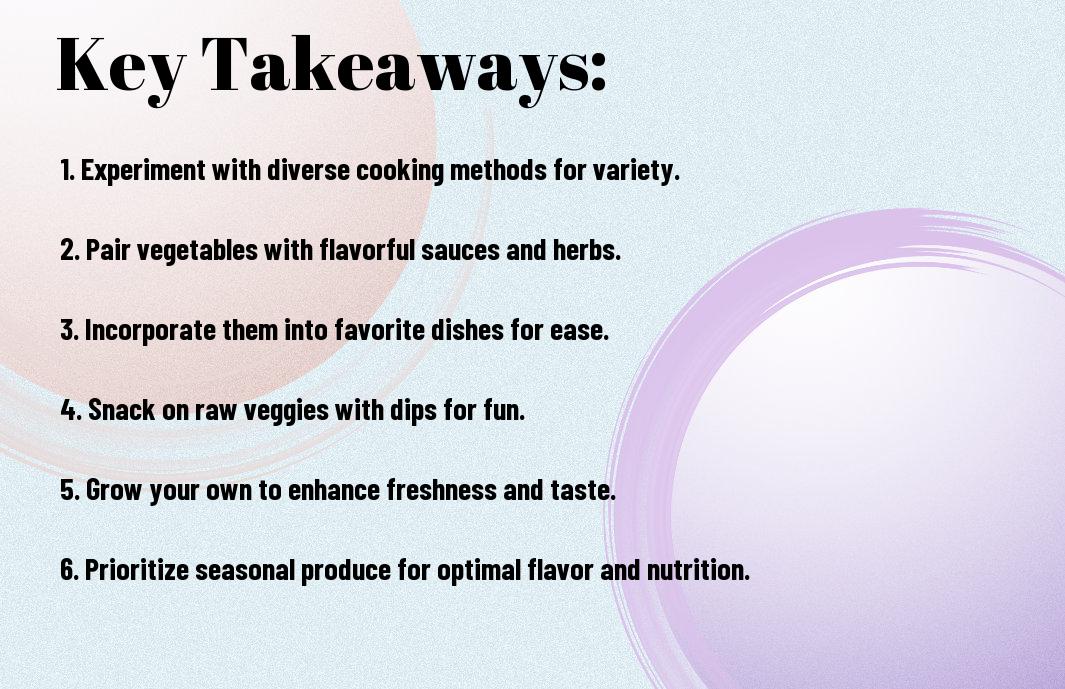
Key Takeaways:
- Experimentation: Trying a variety of cooking methods and recipes can make vegetables more appealing. Roasting, grilling, and sautéing can enhance flavors and textures.
- Pairing: Combining vegetables with your favorite flavors or foods can create a more enjoyable eating experience. Incorporating herbs, spices, and sauces can elevate the taste.
- Presentation: The way vegetables are served can impact your willingness to eat them. A beautiful arrangement on the plate can entice you to dive in.
- Accessibility: Keeping prepped and easily accessible vegetables in your fridge encourages snacking and adds them to meals effortlessly.
- Mindset: Shifting your perspective from seeing vegetables as a side dish to making them the star of your meals can increase enjoyment and consumption.
The Nutritional Benefits of Vegetables
To truly appreciate vegetables, it’s crucial to understand their remarkable nutritional benefits. Packed with vitamins, minerals, and antioxidants, vegetables can enhance your overall health. Consuming a variety of them can boost your immune system, improve digestion, and even reduce the risk of chronic diseases. By incorporating more vegetables into your meals, you’re not just adding flavor but also fortifying your body with nature’s healthiest offerings.
Essential Vitamins and Minerals
After analyzing the nutritional profiles of different vegetables, you’ll find that they provide a rich source of crucial vitamins and minerals. Leafy greens, for instance, are high in vitamin K, which supports bone health, while bell peppers offer an abundance of vitamin C to strengthen your immune function. These nutrients help to keep your body functioning optimally and are integral to your overall well-being.
The Role of Fiber in Health
Above all, the fiber found in vegetables plays a significant role in maintaining good digestive health. This dietary fiber helps regulate your digestive system, preventing constipation and promoting a sense of fullness, which can assist in weight management.
In addition to aiding digestion, fiber contributes to heart health by helping to lower cholesterol levels and stabilizing blood sugar. You can find soluble fiber in vegetables like carrots and legumes that help manage your cholesterol, while insoluble fiber in leafy greens and cruciferous vegetables supports regularity. Incorporating a variety of fiber-rich vegetables into your diet not only enhances your meals but also provides numerous health benefits that will support your long-term wellness.
Overcoming Common Barriers to Vegetable Consumption
Assuming you’re looking to incorporate more vegetables into your diet, it’s necessary to identify and tackle the barriers that may be holding you back. From busy schedules to unappealing textures, understanding these constraints can help you develop strategies that make vegetable consumption more enjoyable and attainable. By recognizing these challenges, you can take proactive steps toward a healthier, veggie-filled lifestyle.
Time Constraints and Meal Prep
Any busy schedule can make it seem difficult to prepare meals that include more vegetables. However, with some smart meal prep strategies, you can save time and make vegetable-rich meals a breeze. Consider dedicating a few hours on the weekends to wash, chop, and store your vegetables in convenient portions, allowing you to add them easily throughout the week.
Taste Aversion and Texture Issues
Common obstacles to enjoying vegetables include taste aversions and concerns over texture. Many people find certain vegetables unappealing, which can lead to avoidance. Overcoming these preferences requires experimentation with different cooking methods and flavor pairings to discover what works for you.
Constraints related to taste and texture can often be addressed by trying new preparation methods and flavor combinations. For example, if you dislike raw carrots, roasting them with herbs may enhance their sweetness and improve their texture. Exploring spices, marinades, and various cooking techniques can transform vegetables into delicious dishes that challenge your previous perceptions. Aim to approach vegetables with an open mind, and experiment until you find combinations that excite your palate.
Strategies to Incorporate More Vegetables into Your Diet
Once again, finding ways to add vegetables to your meals can transform your eating habits and enhance your overall health. Start by creating a vegetable-centric meal plan that highlights a variety of colors and flavors. Incorporate vegetables into breakfast smoothies, salads, stir-fries, or as a side dish at dinner. To make it easier, keep prepped vegetables readily available in your fridge for snacking or quick additions to your favorite recipes.
Creative Cooking Techniques
Between steaming, roasting, and grilling, there are numerous cooking techniques that can elevate the taste of your vegetables. Experiment with different methods to find the ones that bring out the natural sweetness and enhance texture. For example, roasting vegetables with a drizzle of olive oil and herbs can provide a satisfying, caramelized flavor that pairs wonderfully with any dish.
Sneaking Vegetables into Favorite Dishes
For a clever approach to increasing your vegetable intake, consider sneaking them into your favorite dishes. This can be as simple as adding spinach to your morning omelet or pureeing cauliflower into a creamy pasta sauce. By doing so, you can enjoy the flavors you love while boosting your nutrient intake without even realizing it.
The beauty of sneaking vegetables into your favorite dishes lies in their versatility. For instance, shredded zucchini can be mixed into meatballs or burgers for added moisture and nutrition. Similarly, finely chopped mushrooms can blend seamlessly into chili or pasta sauce, providing a rich umami flavor while reducing the meat content. You’ll be amazed at how easily you can incorporate a variety of vegetables in ways that don’t compromise taste, allowing you to enjoy meals that are both delicious and healthful.
Making Vegetables Enjoyable
Your journey to embracing vegetables starts with making them enjoyable. One simple way to do this is by experimenting with various cooking techniques that bring out their natural flavors. Roasting, grilling, or sautéing can transform humble veggies into flavorful delights. Combine them with tasty sauces or dips, and you’ll find yourself reaching for more greens instead of shying away. The key is to be creative and adventurous in the kitchen, allowing your palate to explore the vibrant taste possibilities that vegetables offer.
Seasoning and Flavor Infusion
Vegetables can be your canvas, and seasoning is your paint. Use herbs, spices, and marinades to elevate their flavors and make them more appealing. Garlic, lemon juice, and balsamic vinegar can add a burst of zest, while cumin, chili powder, and paprika contribute warmth and depth. Don’t hesitate to experiment with different flavor profiles to find combinations that excite your taste buds.
Presentation and Plate Aesthetics
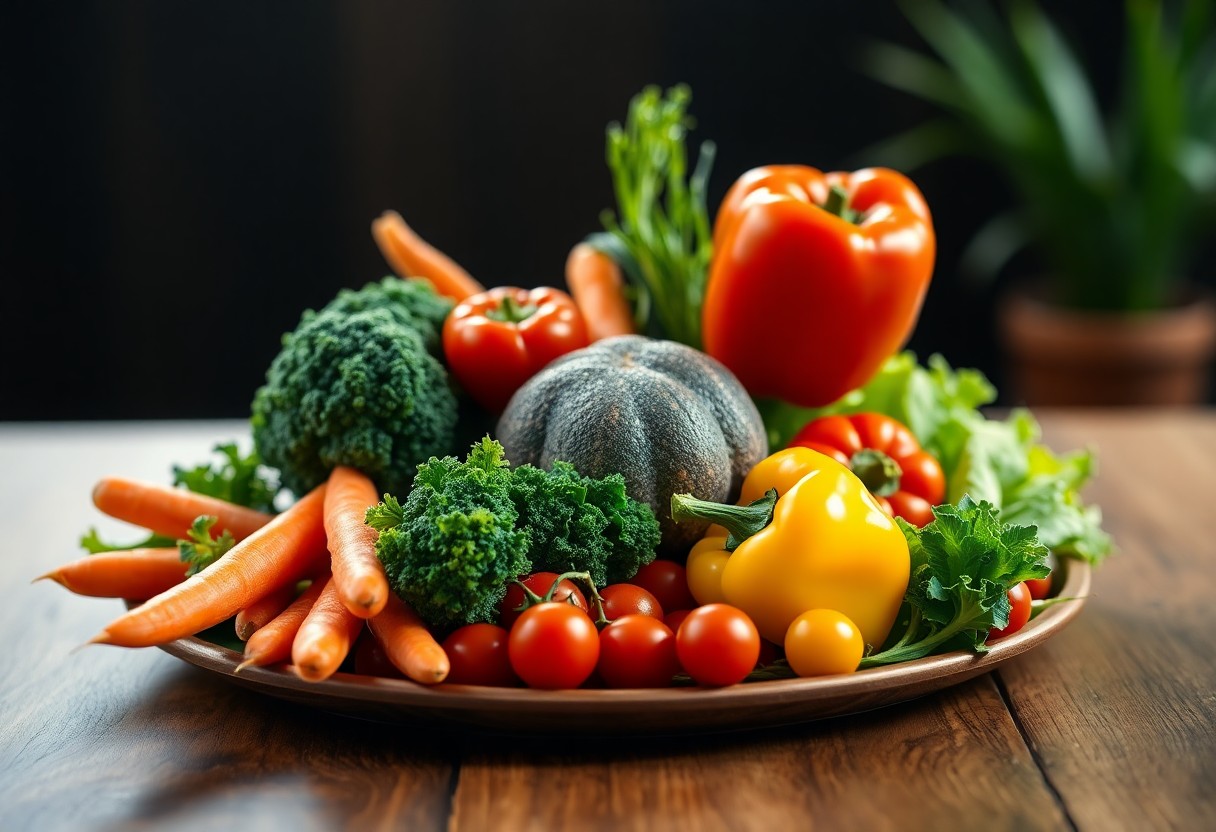
Between the taste and textures, visual appeal plays a significant role in the enjoyment of vegetables. When you arrange your vegetables thoughtfully on the plate, it invites you to appreciate their colors and shapes. Use contrasting hues and heights to create an eye-catching presentation. This attention to aesthetics makes your meals look appetizing, increasing your desire to indulge in the nutritious offerings on your plate.
And when it comes to presentation, think about the entire dining experience. Plating can turn everyday meals into special occasions. Utilize colorful vegetables to create contrast, and consider garnishing with fresh herbs or a drizzle of olive oil to enhance the visual appeal. A well-presented dish is not only more appetizing; it invites you to savor each bite, making it a joy to eat more vegetables consistently.
Building Lasting Habits
Keep in mind that building lasting habits takes time and consistency. Start by integrating more vegetables into your meals gradually, rather than trying to overhaul your diet in one fell swoop. The key is to form positive associations with vegetables, making them a regular part of your lifestyle rather than a temporary fix.
Setting Realistic Goals
Realistic goals are important for success. Start with small, achievable targets like incorporating one serving of vegetables into your meals each day. This approach prevents overwhelm and allows you to build confidence in your ability to enjoy and consume more vegetables over time.
Tracking Progress and Staying Motivated
By tracking your progress, you can celebrate small victories and maintain your motivation. A simple food journal or an app that records your vegetable intake can help you see how far you’ve come and where you can improve.
Due to the tangible nature of tracking, you may find it easier to stay focused and engaged with your goals. Celebrating milestones, whether it’s trying a new vegetable or hitting a certain intake target, can boost your motivation. Share your achievements with friends or family to increase accountability. Over time, you’ll create a positive feedback loop that reinforces your commitment to healthier eating habits.
Engaging with Seasonal and Local Produce
After embracing seasonal and local produce, you’ll find your vegetable options transforming into a vibrant array that reflects the changing seasons. This engagement not only enhances the flavor of your meals but also connects you to the rhythms of nature. When you choose fresh produce available in your area, you elevate your culinary experience and support your local community.
Benefits of Eating Seasonal Vegetables
Local seasonal vegetables are packed with nutrients, as they are harvested at peak freshness. This not only enhances their taste and texture but also ensures that you are consuming produce at its most beneficial. Additionally, eating seasonally can reduce your carbon footprint, as these items often require less transportation and storage time.
Exploring Local Farmers’ Markets
Any visit to a local farmers’ market can be a delightful experience, allowing you to discover fresh produce while engaging with local vendors. These markets are treasure troves of seasonal vegetables and fruits, offering the chance to taste unique varieties you won’t find in grocery stores.
Consequently, exploring local farmers’ markets allows you to build relationships with the producers and gain insight into how your food is grown. You can ask questions about their farming practices, learn about new seasonal items, and, importantly, improve the connection you have with your food. This experience not only enriches your culinary knowledge but also helps you make informed choices about what you bring into your kitchen.
To wrap up
With this in mind, embracing a variety of flavors, textures, and cooking methods can transform your relationship with vegetables. By experimenting with different cuisines and incorporating plant-based ingredients into your meals, you can discover enjoyable ways to enhance flavor while boosting your nutritional intake. Additionally, involving yourself in the preparation process and seeking out fresh, seasonal produce can make eating your veggies a fun and satisfying experience. Ultimately, when you approach vegetables with an open mind and creativity, they can become a delightful staple in your diet.
Q: How can I incorporate more vegetables into my daily meals without feeling overwhelmed?
A: One effective way to add more vegetables to your diet is by starting with small changes. You can begin by incorporating one additional serving of vegetables into each meal. For instance, add spinach to your morning smoothie, throw some bell peppers into your omelet, or include a side salad with your lunch. Experiment with different cooking methods such as roasting, steaming, or grilling to find what you enjoy most. Additionally, keep pre-cut veggies ready in your fridge to make snacking easier and more appealing.
Q: What are some tasty ways to make vegetables more appealing for picky eaters?
A: Making vegetables appealing to picky eaters can be achieved by enhancing their flavors. Try roasting vegetables with olive oil, garlic, and spices, which can bring out their natural sweetness and make them more flavorful. You can also disguise vegetables in dishes; for example, blend cooked carrots or zucchini into sauces, or add finely chopped veggies into meat dishes like burgers or meatballs. Another fun idea is to create vegetable-based dips like hummus or yogurt-based dressings, making the veggies more enticing for dipping.
Q: Are there any specific vegetables that are easier to love and incorporate into meals?
A: Certain vegetables are often better received due to their mild flavors and versatility. Carrots, cucumbers, and bell peppers are typically crowd-pleasers and can be enjoyed raw, steamed, or roasted. Leafy greens like spinach and baby kale are great additions to smoothies, soups, or stir-fries, as they blend well with other ingredients. Sweet vegetables such as sweet potatoes or corn can also be appealing due to their natural sweetness. Overall, choose a variety of textures and flavors to find what you love most!