It’s time to explore the vibrant world of plant-based eating, a lifestyle that not only enhances your health but also supports the environment. In this comprehensive guide, you’ll discover the benefits of incorporating more plant-based foods into your diet, learn about necessary nutrients, and find practical tips for making this transition smooth and enjoyable. With easy-to-follow recipes and meal ideas, you’ll be equipped to make informed choices that align with your wellness goals. Embrace this journey and unlock a healthier you through the power of plants!
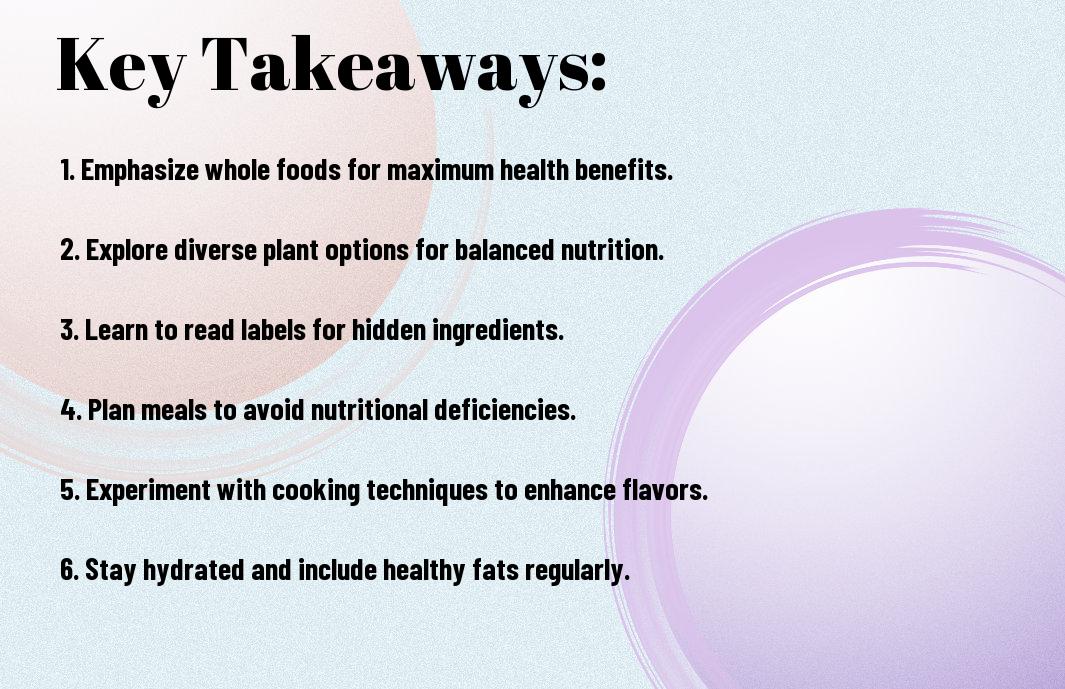
Key Takeaways:
- Diverse Nutrients: A plant-based diet can provide all important nutrients if well-planned, including proteins, vitamins, and minerals from various sources like legumes, nuts, seeds, and whole grains.
- Health Benefits: Adopting a plant-based eating style is linked to numerous health advantages, such as lower risks of chronic diseases, including heart disease, diabetes, and certain cancers.
- Sustainability: Plant-based diets contribute to environmental sustainability by reducing greenhouse gas emissions, conserving water, and minimizing land use compared to livestock farming.
- Meal Variety: A wide array of delicious and fulfilling meals can be created with plant-based ingredients, leading to a fun exploration of flavors, textures, and cooking methods.
- Mindful Eating: Transitioning to this dietary approach encourages mindfulness and awareness about food sources, fostering a deeper connection with what we eat and how it affects our bodies.
Understanding Plant-Based Eating
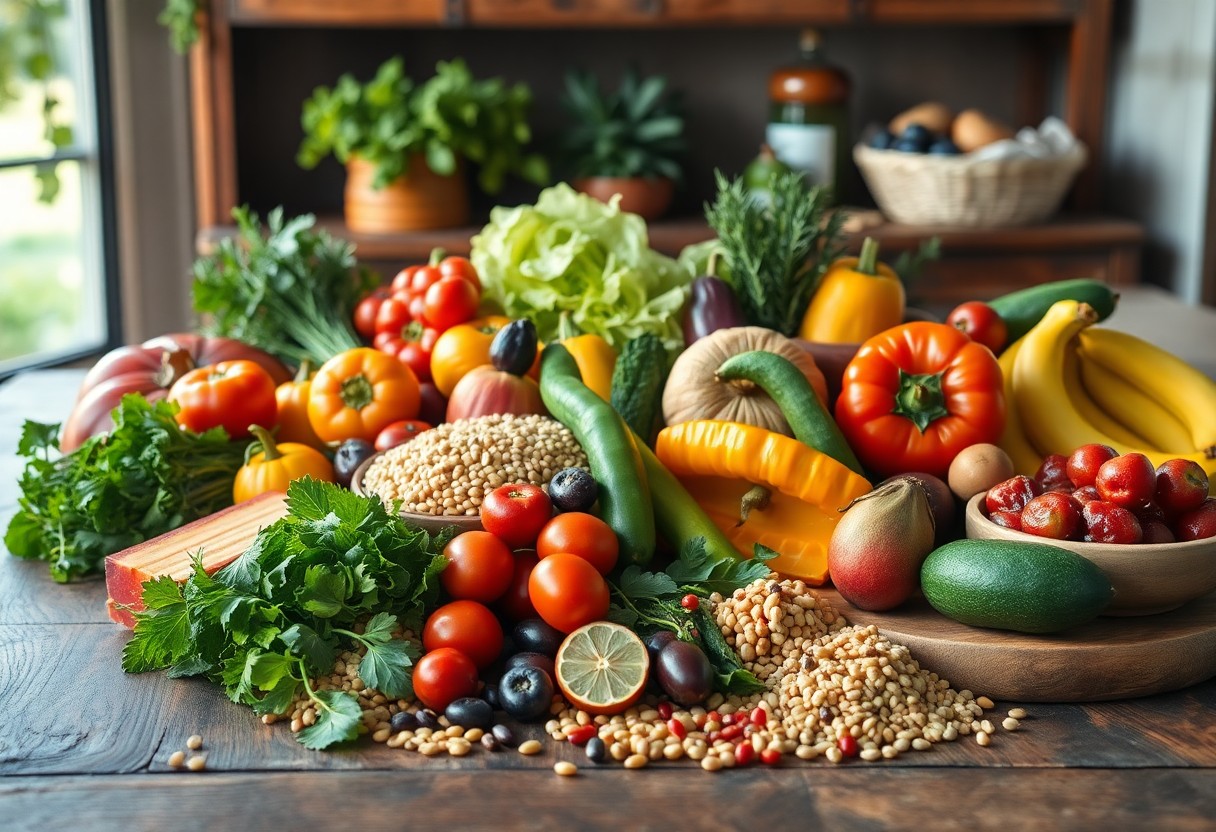
While many people may think of plant-based eating as simply a diet devoid of meat, it encompasses a broader approach focused on incorporating more whole, plant-derived foods into your meals. It invites you to make mindful choices that prioritize fruits, vegetables, nuts, seeds, legumes, and grains, fostering a healthier relationship with food and the environment. By understanding the principles behind plant-based eating, you can effectively navigate this sustainable lifestyle that promotes well-being and enhances your overall quality of life.
What is Plant-Based Eating?
PlantBased eating primarily involves deriving most of your daily nutrients from plant sources, minimizing or eliminating animal products. This lifestyle is flexible and can range from vegetarianism to veganism, tailoring to your preferences and ethical beliefs. Emphasizing whole foods, plant-based eating encourages you to explore a diverse array of colors and flavors in your diet, enhancing both nutritional value and culinary enjoyment.
Benefits of a Plant-Based Diet
Benefits of a plant-based diet are numerous, impacting both your health and the planet. By prioritizing plant foods, you can lower your risk of chronic diseases, boost your immune system, and improve digestion, all while promoting sustainable agriculture. This shift not only benefits your physical health but also enriches your emotional well-being, encouraging a more mindful and holistic outlook on food.
This comprehensive approach fosters a diverse intake of vitamins, minerals, and antioxidants, promoting heart health and weight management. A plant-based diet has also been linked to lower cholesterol levels and decreased blood pressure, contributing to overall wellness. Furthermore, embracing this lifestyle can lead to enhanced energy levels, improved mental clarity, and a positive impact on the environment, making it a truly beneficial choice for both you and the planet.
Nutritional Essentials
You need to ensure that your plant-based diet is balanced and packed with important nutrients. Plant-based eating can provide all the nutrients your body requires, as long as you pay attention to specific dietary components. Understanding the nutritional importants will empower you to make informed choices and help you thrive on your journey to a healthier lifestyle.
Key Nutrients in Plant-Based Foods
On a plant-based diet, focus on key nutrients such as protein, iron, calcium, omega-3 fatty acids, and vitamin B12. These nutrients play important roles in your overall health and wellness. By incorporating a variety of whole foods like legumes, nuts, seeds, leafy greens, and fortified products, you can easily meet your nutritional needs while enjoying diverse and delicious meals.
Meal Planning for Balanced Nutrition
Plant-based meal planning involves strategically selecting foods to ensure your diet includes a variety of nutrients. By organizing your meals in advance, you can achieve a balanced intake of proteins, vitamins, and minerals. This proactive approach helps you avoid last-minute unhealthy choices and ensures your meals consistently support your overall well-being.
Foods from different plant categories should be included in your meal planning to create a balanced diet. Incorporate proteins like legumes and nuts, whole grains for fiber, and a colorful assortment of fruits and vegetables to maximize vitamins and minerals. Don’t forget to include healthy fats like avocado and olive oil. Aim for diversity in your meals to cover the spectrum of nutrients necessary for optimal health. With thoughtful planning, you can easily harness the benefits of plant-based eating.
Transitioning to a Plant-Based Diet
Not all transitions are easy, but moving to a plant-based diet can be a rewarding change for your health and the environment. Start by gradually incorporating more plant foods into your meals while reducing animal products. This approach helps your body adapt to new flavors and textures, making the process smoother and more enjoyable for you.
Tips for Making the Switch
Switching to a plant-based diet can feel overwhelming at first, but with a few tips, you can make it a seamless process:
- Start with one plant-based meal a day.
- Experiment with new recipes and ingredients.
- Stock your pantry with plant-based staples.
- Join online communities for support and inspiration.
Any shift to a plant-based lifestyle requires patience and practice.
Common Challenges and Solutions
Making the switch to a plant-based diet may come with its own set of challenges that could tempt you to revert to old habits. It’s common to experience cravings for familiar foods, worry about nutrient deficiencies, or face social pressures during meals. Address these issues by planning balanced meals, seeking out satisfying alternatives, and informing friends and family about your dietary choices for support.
Considering the potential hurdles, it’s important to equip yourself with knowledge and resources to overcome them. You might crave certain flavors or textures initially, so invest time in finding substitutes that you enjoy. Keeping your meals balanced with a variety of fruits, vegetables, grains, and proteins will ensure you meet your nutritional needs. Additionally, researching plant-based recipes or meal prepping can save you time and frustration, ultimately reinforcing your commitment to this healthy lifestyle. Seek out supportive communities, whether in-person or online, for shared experiences and motivation to maintain your journey toward a plant-based diet.
Delicious Plant-Based Recipes
Once again, you’ll find that plant-based eating can be both simple and delightful. In this chapter, explore a collection of delicious plant-based recipes that cater to various tastes and preferences. Whether you’re new to this lifestyle or looking to enhance your culinary repertoire, these recipes will inspire you. For a deep probe the benefits of adopting a plant-based diet, check out What is a plant-based diet and why should you try it?.
Breakfast Ideas
PlantBased breakfasts can be nutritious and satisfying. Consider options like overnight oats topped with fruits and nuts, or a hearty smoothie packed with greens, chia seeds, and your favorite fruits. You can also enjoy savory choices like avocado toast on whole grain bread or a tofu scramble loaded with vegetables. These meals will give you a vibrant start to your day.
Lunch and Dinner Options
One of the great things about plant-based meals is the variety they offer for lunch and dinner. You can create satisfying dishes that are packed with flavor and nutrients. Think colorful salads, nourishing grain bowls, or hearty stews that make use of seasonal vegetables and legumes.
Delicious plant-based options for lunch and dinner not only cater to your taste buds but also provide you with the energy you need to thrive. Say yes to chickpea curry with brown rice, roasted vegetable pasta with a light garlic sauce, or a zesty quinoa salad topped with a homemade dressing. These meals let you enjoy the rich flavors of plants while fueling your body efficiently.
Shopping for Plant-Based Ingredients
Many people often wonder where to start when shopping for plant-based ingredients, but with a bit of guidance, it becomes an enjoyable process. Your local grocery store or farmer’s market can be a treasure trove of fresh produce, legumes, grains, and plant-based snacks. Learning to navigate these aisles will help you choose nutritious options that align with your plant-based lifestyle.
Essential Pantry Staples
Among the key components of your plant-based diet are imperative pantry staples that help you create delicious meals effortlessly. Stocking up on items like lentils, beans, quinoa, brown rice, and a variety of herbs and spices will ensure you have a solid foundation for flavorful dishes.
Choosing Fresh Produce
After establishing your pantry, it’s time to focus on choosing fresh produce that can elevate your meals. Selecting a colorful variety of fruits and vegetables guarantees you’ll receive a wide range of nutrients and flavors.
Indeed, opting for seasonal and locally sourced produce not only enhances your meals but also supports local farmers. When shopping, look for vibrant fruits and vegetables that are firm to the touch. Prioritize organic options when possible to reduce exposure to pesticides. Don’t shy away from trying new varieties or unusual vegetables; they can add exciting flavors and textures to your dishes. By choosing fresh produce, you’ll help ensure your plant-based meals remain wholesome and satisfying.
Eating Out on a Plant-Based Diet
Now, dining out can be a delightful experience, even on a plant-based diet. Today, more restaurants are recognizing the growing demand for plant-forward options, making it easier for you to enjoy your meals while sticking to your dietary choices. With a little preparation and awareness, you can explore a variety of cuisines and flavors that satisfy your palate without compromising your nutrition goals.
Navigating Menus
Eating out on a plant-based diet starts with understanding the menu. When reviewing options, look for dishes that feature vegetables, grains, and legumes as main ingredients. Don’t hesitate to ask the staff about potential modifications, such as omitting cheese or swapping proteins for plant-based alternatives. Many chefs are happy to customize their offerings to ensure your dining experience is enjoyable and fulfilling.
Communicating Dietary Preferences
Menus can be overwhelming at times, but effectively communicating your dietary preferences to restaurant staff can make a significant difference. Your clear explanation of a plant-based diet makes it easier for them to assist you in selecting the right options. Be specific about what you do and don’t eat, such as avoiding dairy and meat, and some menus may provide vegan and vegetarian symbols to guide your choices.
Consequently, by articulating your preferences, you not only enhance your dining experience but also encourage restaurants to consider adding more plant-based options. Taking the time to explain your dietary choices ensures you receive meals that align with your needs. This proactive approach can lead to better understanding and improved offerings for all diners, especially those following plant-based diets.
Conclusion
Drawing together the insights from this guide, you now have a comprehensive understanding of plant-based eating and how it can positively impact your health and environment. By incorporating more plant-based foods into your diet, you can enjoy a diversity of flavors while fostering a sustainable lifestyle. Whether you choose to fully commit or simply explore the benefits, every small step you take can lead to significant improvements in your well-being and contribute to a healthier planet.
FAQ
Q: What are the health benefits of a plant-based diet?
A: A plant-based diet can offer numerous health benefits, including reduced risk of chronic diseases such as heart disease, diabetes, and certain cancers. This diet emphasizes whole, nutrient-dense foods, which can improve digestion, boost energy levels, and support weight management. Additionally, a plant-based approach is often rich in antioxidants, vitamins, and minerals, promoting overall health and well-being.
Q: How do I ensure I get enough protein on a plant-based diet?
A: Protein can easily be obtained from various plant sources. Foods like legumes (beans, lentils, and chickpeas), nuts and seeds, whole grains (quinoa, brown rice, and oats), and plant-based proteins such as tofu and tempeh are excellent options. Incorporating a variety of these foods throughout the day ensures that you consume sufficient protein and other crucial amino acids needed for optimal health.
Q: Can I still enjoy my favorite meals while following a plant-based diet?
A: Yes, transitioning to a plant-based diet doesn’t mean giving up favorite dishes. Many traditional recipes can be adapted by substituting animal-based ingredients with plant-based alternatives. For example, using vegetables, legumes, or plant-based meats in place of meat, and dairy alternatives like almond milk or nutritional yeast instead of cheese. With a bit of creativity and exploration, you can enjoy satisfying and delicious meals that align with a plant-based lifestyle.