You may not realize that your diet could be lacking vital vitamins and minerals that play significant roles in your overall health. Despite your best efforts to eat well, it’s common to overlook certain nutrients that are vital for your body’s functions. This post explores some key vitamins and minerals that you might not be getting enough of, along with practical tips on how to incorporate them into your daily routine. Understanding what your body needs can empower you to make more informed dietary choices that support your well-being.
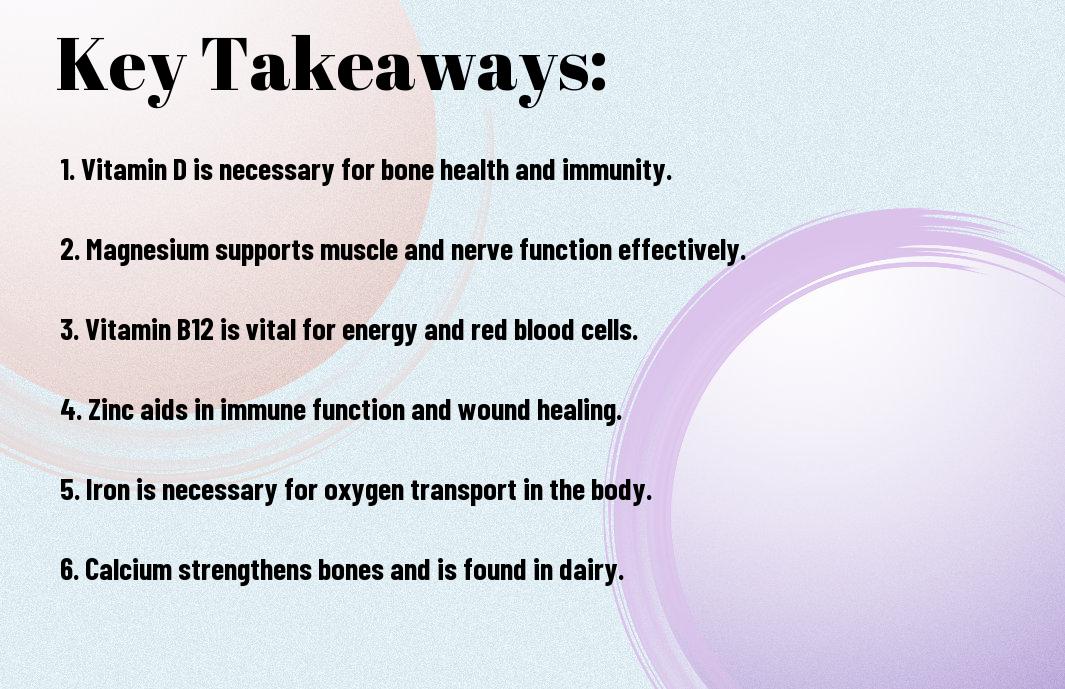
Key Takeaways:
- Vitamin D: Essential for bone health and immune function; many people do not get enough from sunlight and diet.
- Magnesium: Involved in over 300 biochemical reactions; low intake can lead to muscle cramps and fatigue.
- Vitamin B12: Critical for nerve function and blood cell production; often lacking in vegetarian and vegan diets.
- Zinc: Supports immune system performance and wound healing; deficiency can lead to increased susceptibility to infections.
- Iron: Necessary for oxygen transport in the body; can cause fatigue and anemia if levels are insufficient.
The Importance of Vitamins and Minerals
For optimal health and well-being, understanding the significance of vitamins and minerals in your diet is vital. These micronutrients play momentous roles in various bodily functions, including metabolism, immune support, and cellular repair. A deficiency in any of these nutrients can lead to health issues and affect your overall quality of life. Ensuring you receive adequate vitamins and minerals through your meals can empower you to sustain vitality and promote long-term health.
Essential Vitamins and Their Functions
Vitamins are organic compounds that your body requires in small amounts to function efficiently. Each vitamin has unique roles, such as Vitamin C, which supports your immune system, and the B vitamins that help convert food into energy. By incorporating a diverse range of fruits, vegetables, and whole grains into your diet, you can help meet your vitamin needs and improve your overall health.
Key Minerals and Their Roles
On the other hand, minerals are inorganic elements crucial for your body’s structure and function. They play key roles in processes such as muscle contraction, nerve signal transmission, and maintaining bone health. Important minerals include calcium, which strengthens bones, and potassium, which helps regulate blood pressure. Understanding these roles can guide you in making dietary choices that support your mineral intake.
And to enhance your knowledge about minerals, consider specific food sources to improve your intake. Dairy products are fantastic for calcium, while bananas and avocados are excellent potassium sources. Additionally, nuts, seeds, and legumes provide a variety of vital minerals. Focusing on a balanced diet rich in these foods enables you to achieve your daily mineral requirements, promoting optimal health and functioning in your body.
Common Nutrient Deficiencies
It’s important to be aware of common nutrient deficiencies that could be affecting your overall health. Many individuals fail to consume the recommended amounts of crucial vitamins and minerals, which may lead to serious health issues over time. Identifying these deficiencies can help you make informed dietary choices to enhance your well-being.
Vitamin Deficiencies
Below are some of the most prevalent vitamin deficiencies you might encounter. Vitamins such as vitamin D, B12, and vitamin A are often lacking in many diets. This could result from limited sun exposure, insufficient intake of animal products, or lack of colorful fruits and vegetables in your meals.
Mineral Deficiencies
Among the mineral deficiencies that many people experience, iron, magnesium, and calcium are frequently seen. These minerals are vital for various bodily functions, yet you may not be getting enough due to factors like dietary restrictions or poor absorption in the gut.
Consequently, low levels of these minerals can lead to issues such as fatigue, muscle cramps, and weakened bones. Ensuring you integrate mineral-rich foods into your diet, while possibly consulting a healthcare provider for further assessment, can significantly improve your overall health and energy levels.
How to Identify Nutrient Gaps
Your journey to optimal health involves recognizing when you might be lacking important vitamins and minerals. Start by evaluating your diet; consider whether you include a wide variety of fruits, vegetables, whole grains, and proteins. Keeping a food diary can help highlight what you consume regularly and expose any nutrient gaps. You may also want to compare your intake against the recommended dietary allowances (RDAs). By taking a closer look at your eating habits, you can better understand where you might need to enhance your nutrient intake.
Symptoms of Deficiencies
Among the common indicators of nutrient deficiencies are symptoms such as fatigue, frequent illnesses, hair loss, and brittle nails. These signs often manifest subtly and can be attributed to various causes, but if you’re experiencing these consistently, it may signal a lack of important nutrients. For instance, low iron can lead to fatigue and weakness, while insufficient vitamin C may increase your susceptibility to infections. Staying aware of these symptoms can prompt timely adjustments to your diet.
Diagnostic Testing Options
Identify nutrient deficiencies through various diagnostic tests available. Blood tests are the most common method, measuring levels of vitamins and minerals in your system. Additionally, comprehensive metabolic panels can provide insights into your overall health and nutrient status. Some practitioners may also suggest urine tests to assess certain vitamin levels and nutrient absorption. Regularly consulting with a healthcare provider ensures you understand your results and can take appropriate steps.
Plus, evaluating diagnostic testing options enables you to gain a more personalized understanding of your nutritional needs. Each test offers a snapshot of your body’s nutrient levels, helping in pinpointing specific deficiencies. For instance, calcium levels can be assessed through blood work, and folate deficiencies can be determined from serum tests. By combining these insights with a well-rounded diet, you can create a tailored approach to improving your nutrient intake effectively.

Sources of Essential Nutrients
All vital nutrients can be found in a variety of forms within your diet. Understanding where to source these vitamins and minerals is key to ensuring you receive adequate amounts daily. By incorporating a well-rounded diet that includes fruits, vegetables, whole grains, lean proteins, and healthy fats, you can maximize your nutrient intake and maintain your overall health with ease.
Dietary Sources
With a focus on whole foods, you can significantly increase your intake of vital nutrients. Fresh fruits and vegetables are rich in vitamins, while nuts, seeds, and legumes offer minerals. Whole grains provide both fiber and critical nutrients, while lean meats and dairy products can deliver important vitamins such as B12 and D. By planning balanced meals, you can easily meet your daily nutritional needs.
Supplements: Pros and Cons
Against the backdrop of dietary choices, supplements can offer additional support, but they also come with their own considerations.
Pros and Cons
| Pros | Cons |
|---|---|
| Convenient source of nutrients | Can lead to overconsumption |
| Useful for deficiency corrections | May not be as effective as food sources |
| Supports specific health goals | Can interact with medications |
| Variety of options available | Quality varies among brands |
| Easy to incorporate into routine | Potential side effects |
| Can enhance nutrient intake during busy times | Does not replace healthy eating |
| Suitable for specialized diets (e.g., vegan) | May cause reliance on supplements |
| Accessible for various budgets | Not all nutrients are well-absorbed |
Even as supplements can be beneficial, they should primarily serve as a complement to your diet rather than a substitute for whole foods. It’s vital to evaluate your individual health needs carefully and consider consulting with a healthcare professional before starting any supplement regimen. By doing so, you can better ensure that you’re making informed choices tailored to your nutritional needs.
Tips for Optimizing Nutrient Intake
Once again, enhancing your nutrient intake requires some practical strategies. Consider the following tips to better absorb the vitamins and minerals your body needs:
- Incorporate a variety of colorful fruits and vegetables into your meals.
- Choose whole grains instead of refined options.
- Include healthy fats, such as avocados and nuts, to improve nutrient absorption.
- Stay hydrated, as water helps in the transportation of nutrients.
- Consult health professionals for personalized advice.
This proactive approach will make a significant difference in your overall nutritional health.
Balanced Meal Planning
With effective meal planning, you can ensure a well-rounded intake of important nutrients. Focus on creating plates that include a balance of proteins, carbohydrates, and fats, aiming for a wide range of vitamins and minerals. By preparing meals in advance, you can experiment with diverse ingredients, making it easier to avoid nutritional gaps.
Lifestyle Changes
At times, simple shifts in your everyday activities can enhance your nutrient intake significantly. Aim to incorporate nutrient-dense foods into your diet consistently. Regular meal timing and mindful eating practices can help you recognize hunger cues and improve digestion. Prioritize getting adequate sleep, as it’s integral to nutrient absorption and utilization.
Consequently, adopting these lifestyle changes creates a foundation for better nutrient absorption. Incorporating physical activity into your daily routine can also support your body’s nutritional needs by stimulating appetite and improving metabolism. Focus on whole foods, stay active, and develop habits that align with your nutritional goals, and you’ll pave the way for a healthier you.
Special Considerations
Keep in mind that your nutritional needs evolve throughout your life, influenced by factors like age, gender, and activity level. It’s imperative to pay attention to these changes to ensure you’re obtaining the right vitamins and minerals for your body’s specific requirements. Adapting your diet in response to your life stage can help optimize your health and wellbeing.
Nutritional Needs Across Life Stages
Above all, your vitamin and mineral requirements vary significantly as you progress from childhood to adulthood and into older age. For instance, children require imperative nutrients for growth, while older adults may need different vitamins to support bone health and cognitive function. Tailoring your intake based on these stages is key to maintaining overall health.
Impact of Chronic Conditions
About half of adults have one or more chronic conditions, such as diabetes or heart disease, which can influence your nutritional needs and absorption. These conditions may necessitate adjustments to your diet to manage symptoms effectively and improve your quality of life.
Further, it’s important to consult with a healthcare professional if you have chronic conditions, as they can provide guidance on how specific vitamins and minerals may impact your health. Certain supplements can enhance or interfere with medications, so understanding your individual situation is imperative. By addressing these nutritional needs, you can better manage your chronic conditions and support your overall wellness.
Summing up
Upon reflecting on the vitamins and minerals you may be missing, it’s important to assess your dietary habits and consider incorporating nutrient-rich foods or supplements. Pay attention to micronutrients like vitamins D and B12, along with minerals such as magnesium and potassium, which are vital for overall health. Regularly evaluating your intake can help you identify potential deficiencies and optimize your well-being, ensuring you are supporting your body’s needs effectively.
FAQ
Q: What are some common vitamins and minerals that people may not get enough of in their diet?
A: Many individuals may find themselves lacking in crucial nutrients such as Vitamin D, Magnesium, and Calcium. Vitamin D, often obtained from sunlight or fortified foods, is vital for bone health and immune function. Magnesium supports muscle function, nerve function, and energy production, and is commonly found in nuts, whole grains, and leafy greens. Calcium is well-known for its role in bone health and is typically found in dairy products, certain greens, and fortified options. Diets lacking in these nutrients can lead to various health issues over time.
Q: How can one effectively incorporate missing vitamins and minerals into their diet?
A: To enhance the intake of vitamins and minerals, individuals can focus on a balanced diet that includes a variety of whole foods. For example, increasing the consumption of leafy greens, nuts, seeds, and legumes can help boost magnesium levels. For Vitamin D, consider fatty fish, fortified dairy, and exposure to sunlight. Calcium can be enriched by incorporating more dairy or alternatives like fortified plant-based milks, as well as including broccoli and sardines in meals. Additionally, dietary supplements may be an option for those unable to meet their nutrient needs through food alone, but consulting a healthcare professional is advisable before starting any supplementation.
Q: How can one tell if they are deficient in certain vitamins or minerals?
A: Identifying deficiencies in vitamins and minerals often requires attention to both physical symptoms and professional evaluation. Common signs may include fatigue, muscle cramps, bone pain, or mood changes, which could suggest a vitamin or mineral inadequacy. A healthcare provider may recommend blood tests to assess levels of specific nutrients, which can provide a clearer picture of one’s nutritional status. Keeping a food diary and noting any symptoms can also help in discussions with a healthcare professional to tailor an approach to addressing potential deficiencies.