ingredients

Plant-Based Substitutes for Everyday Ingredients

It’s easy to incorporate plant-based alternatives into your daily cooking routine, whether you’re fully vegan or just looking to reduce your animal product consumption. From replacing dairy and eggs to finding suitable options for meat, there are countless substitutes that can elevate your meals without sacrificing flavor or nutrition. In this post, you will discover practical plant-based swaps for common ingredients, helping you create delicious dishes while promoting a healthier lifestyle. Dive in to explore how simple changes can transform your cooking experience.

Key Takeaways:

  • Plant-Based Milk: Alternatives like almond, soy, and oat milk can replace cow’s milk in various recipes and beverages.
  • Meat Substitutes: Ingredients such as lentils, chickpeas, and tempeh can effectively serve as replacements for meat in dishes like tacos, stews, and burgers.
  • Egg Replacers: Flaxseed meal, chia seeds, or applesauce can be used in baking as substitutes for eggs, providing moisture and binding.
  • Dairy Alternatives: Nutritional yeast, cashew cream, and coconut yogurt can replace cheese and yogurt, adding flavor and creaminess.
  • Butter Substitutes: Coconut oil, avocado, and mashed bananas can be used instead of butter in cooking and baking to promote a healthier profile.

plantbased substitutes for everyday ingredients lhu

Plant-Based Dairy Alternatives

For those looking to reduce dairy consumption without sacrificing flavor, plant-based dairy alternatives provide a versatile range of options. Whether you’re an avid chef or a occasional cook, these substitutes can elevate your dishes while catering to a plant-based lifestyle. Made from ingredients like nuts, soy, and grains, these alternatives not only mimic the taste and texture of dairy but also contribute to a healthier diet.

Milk Substitutes

Behind the wide array of milk substitutes lies an abundance of choices, including almond, soy, oat, and coconut milk. Each option offers unique flavors and nutritional profiles, empowering you to select the best match for your recipes. Almond milk is popular for its light flavor, while oat milk has a creamy texture perfect for coffee. Choose the one that aligns with your dietary preferences and taste buds.

Cheese Replacements

Plant-based cheese replacements can transform your meals without the use of dairy. You can find a range of options from cashew-based spreads to almond cheese, providing flavors that complement various dishes. These substitutes are not only lactose-free but often contain added nutrients, making them a health-conscious choice.

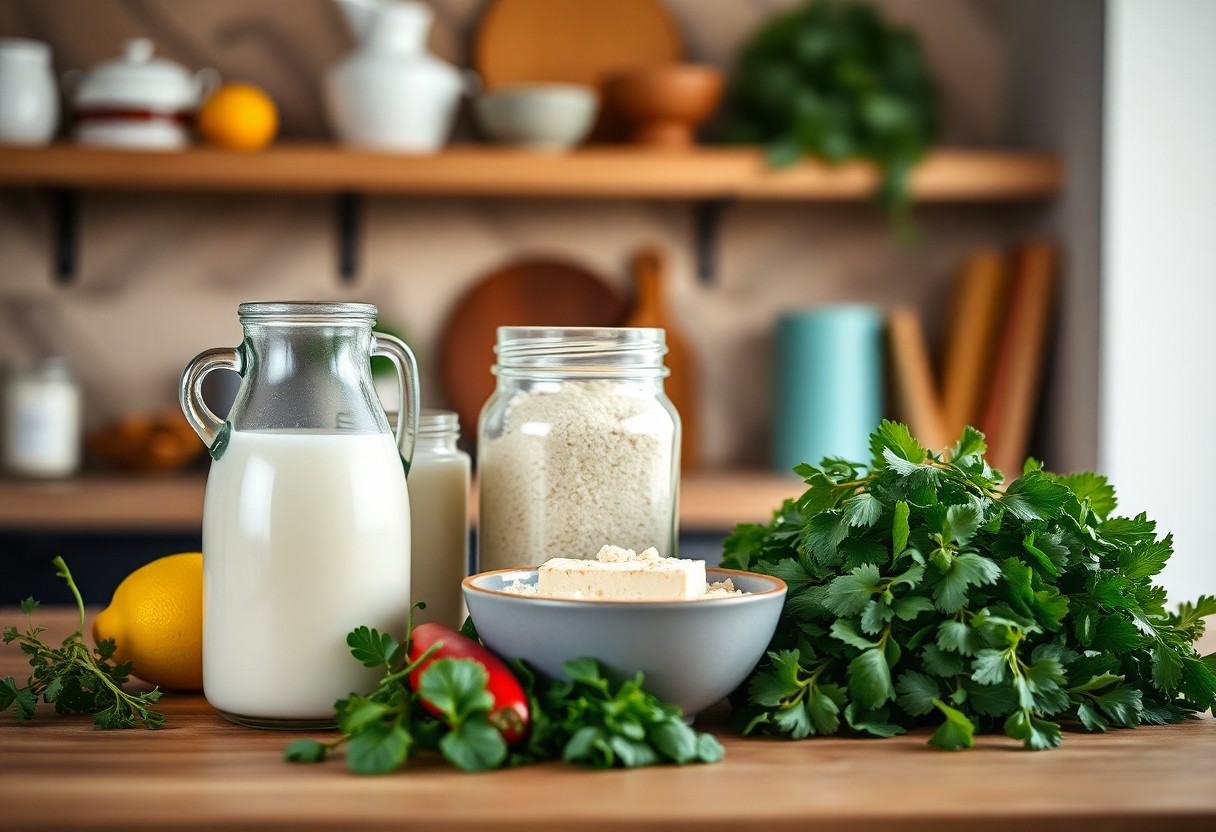
Even exploring cheese replacements expands your culinary possibilities. Many products now replicate the taste and texture of traditional cheese, allowing you to enjoy favorites like mozzarella, cheddar, and cream cheese using plant-based ingredients. With brands constantly innovating, you’re likely to discover alternatives that melt, shred, and spread just like the real thing, all while aligning with your dietary goals.
plantbased substitutes for everyday ingredients trt

Plant-Based Meat Alternatives

If you’re looking to reduce your meat consumption without sacrificing taste or texture, plant-based meat alternatives offer a variety of options that suit your culinary needs. These innovative products are designed to replicate the flavor and mouthfeel of traditional meat, making it easier for you to enjoy your favorite dishes while embracing a more plant-centric diet.

Ground Meat Substitutes

Among the most popular ground meat substitutes are options like lentils, chickpeas, and plant-based protein crumbles made from soy or pea protein. These alternatives can be seamlessly incorporated into recipes for burgers, tacos, and pasta sauces, allowing you to enjoy delicious meals while benefiting from added fiber and nutrients.

Whole Cuts and Sausages

Between plant-based whole cuts and sausages, you have an array of exciting products that mimic the texture and flavor of traditional meats. These items provide you with the ability to grill, roast, or sauté, making them perfect for a variety of recipes.

In fact, many companies are now producing plant-based whole cuts that are designed to look and feel just like steak, chicken, or pork. These items are typically made from ingredients such as seitan, jackfruit, or textured vegetable protein, allowing you to savor the experience of a hearty meal. The same goes for plant-based sausages, which come in various flavors and spice blends, helping you create satisfying breakfasts or grill-worthy meals without animal products. Embracing these alternatives not only diversifies your culinary repertoire, but also supports a sustainable lifestyle.

Plant-Based Egg Replacements

To embrace a plant-based lifestyle, you can easily substitute eggs in your cooking and baking. There are numerous plant-based alternatives that offer similar binding, leavening, or enriching properties to traditional eggs. By exploring these options, you can maintain flavor and texture in your favorite recipes while enjoying the benefits of a plant-based diet.

Egg Substitutes for Baking

Among the popular egg substitutes for baking are flaxseed meal, chia seeds, and applesauce. For each egg you wish to replace, mix one tablespoon of ground flaxseed or chia seeds with three tablespoons of water and let it sit for a few minutes until it thickens. Alternatively, you can use a quarter cup of applesauce to provide moisture and sweetness in recipes, making it an ideal choice for cakes and muffins.

Scrambled Egg Alternatives

To create a delicious scrambled egg alternative, you can utilize tofu, chickpea flour, or black salt for a unique flavor twist. These substitutes not only mimic the texture of scrambled eggs but also pack in nutrients, ensuring your dish is satisfying and nutritious.

For instance, crumbled firm tofu sautéed with turmeric, nutritional yeast, and your choice of vegetables creates a vibrant, protein-rich dish. Additionally, chickpea flour mixed with water can form a batter that, when cooked, resembles fluffy scrambled eggs. Adding a pinch of black salt gives an authentic eggy flavor, while incorporating spices and herbs allows you to customize your scramble to suit your taste preferences.

Plant-Based Sweeteners

Despite the widespread use of refined sugars in many recipes, you can easily embrace a healthier lifestyle by choosing plant-based sweeteners. These alternatives not only provide sweetness but also come with added health benefits, making them a perfect addition to your pantry. From natural syrups to fruit-based sugars, there are numerous options for you to explore that can elevate your dishes while keeping them wholesome and delicious.

Natural Sweetener Options

After you decide to switch to plant-based sweeteners, consider incorporating options like maple syrup, agave nectar, or date syrup into your cooking. These natural sweeteners add rich flavors to your recipes while offering nutrients that refined sugars lack. Maple syrup, for instance, contains antioxidants, while agave nectar has a lower glycemic index than traditional sweets, making them suitable for healthier indulgences.

Sugar Replacements

To find suitable sugar replacements, focus on options that provide sweetness without the drawbacks of refined sugars. You may discover several plant-based alternatives such as coconut sugar, monk fruit, and stevia, all of which can seamlessly blend into your favorite dishes. They not only satisfy your sweet tooth but also align with a healthy diet.

Options like these often have unique flavor profiles and varying degrees of sweetness, which means you can customize their use in your recipes. Coconut sugar, for instance, has a caramel-like flavor that works wonders in baked goods, while monk fruit sweetener is perfect for beverages and desserts without adding calories. Stevia, extracted from the leaves of the Stevia rebaudiana plant, is a zero-calorie option that can be used in various applications. By experimenting with these sugar replacements, you can enhance your meals while adhering to your dietary preferences.

Plant-Based Cooking Fats

All plant-based cooking fats provide a cholesterol-free alternative to traditional fats, allowing you to enjoy your favorite dishes without sacrificing flavor or health. Options like coconut oil, avocado oil, and flaxseed oil not only enhance taste but also offer various nutritional benefits, such as healthy fats and antioxidants. Incorporating these fats into your cooking can help you maintain a balanced diet while embracing a plant-based lifestyle.

Oil and Butter Alternatives

Behind a plant-based kitchen, you’ll find versatile oil and butter substitutes that keep your dishes rich and flavorful. Nut butters, apple sauce, or even mashed bananas can replace butter in many recipes, while oils like olive, sunflower, and grapeseed offer excellent cooking options. They not only provide necessary nutrients but also enhance your meals without compromising taste.

Healthier Spreads

Beside cooking fats, healthier spreads are a fantastic way to enhance your meals while supporting a plant-based diet. Nut and seed butters, hummus, and avocado spreads are nutritious, packed with healthy fats, fiber, and protein, making them tasty alternatives to traditional butter or cream cheese.

Due to the rich array of flavors and textures, these healthier spreads can elevate your breakfast toast, sandwiches, or even snacks while providing vital nutrients. You can enjoy almond butter on whole-grain bread or smear some hummus on your favorite veggies for a satisfying treat. Embracing these plant-based options not only nurtures your well-being but also sparks culinary creativity in your kitchen.

Plant-Based Condiments and Sauces

After transitioning to a plant-based diet, you might find yourself on the lookout for alternatives to your favorite condiments and sauces. Luckily, there’s a vibrant array of plant-based options available that can elevate your meals without sacrificing flavor. From creamy spreads to zesty sauces, you can easily create or find these substitutes to suit your taste and lifestyle, keeping your dishes delightful and satisfying.

Dairy-Free Dressings

Dressings are an crucial part of enhancing salads and dishes, and you can easily create dairy-free versions using plant-based ingredients. Simply blend nuts, seeds, or aquafaba with herbs, spices, and a splash of vinegar or citrus juice to achieve that creamy texture and punch of flavor. These homemade dressings not only boost your meals but also keep your health in check without compromising on taste.

Flavorful Sauces

Sauces have the power to transform your dishes, and creating plant-based versions is simpler than you might think. You can whip up delightful sauces using ingredients like tomatoes, avocados, or tahini, combined with spices and herbs. These choices let you explore new flavor profiles while ensuring your meals remain wholesome and nutritious.

For instance, you can make a vibrant cashew cream sauce by blending soaked cashews with garlic, lemon juice, and nutritional yeast for a cheesy, rich flavor. Alternatively, a savory tomato sauce can be flavored with roasted garlic and fresh basil to enhance your pasta and vegetable meals. Whether you’re preparing Asian stir-fries with a peanut sauce or a tangy barbecue sauce for your grilled vegetables, the possibilities are endless and delicious.

Conclusion

To wrap up, integrating plant-based substitutes into your cooking can enhance your meals without sacrificing flavor or nutrition. Whether you’re swapping dairy for nut milk, choosing lentils over meat, or using flaxseed as an egg replacement, these alternatives can cater to various dietary needs while promoting a healthier lifestyle. By exploring these options, you can discover new tastes and textures, making your culinary experience both enjoyable and environmentally friendly.

Q: What are some common plant-based substitutes for dairy products?

A: There are several plant-based alternatives that can effectively replace dairy products in your cooking. For milk, options include almond milk, soy milk, oat milk, and coconut milk. Each has its unique flavor and nutritional profile, so you may want to experiment to find the best one for your recipes. For cheese, try nutritional yeast for a cheesy flavor in sauces, or use cashew cheese, which can be blended to a creamy consistency. Yogurt can be substituted with coconut yogurt or almond yogurt, both of which offer a similar texture and can be used in dressings or desserts.

Q: Can I find plant-based alternatives for meat in recipes, and what are some examples?

A: Absolutely! There are numerous plant-based substitutes for meat that can satisfy various recipes. Tofu is a versatile option for stir-fries and sandwiches, while tempeh has a firmer texture and can be marinated and grilled. For those looking for a flavor-packed option, seitan is made from wheat gluten and has a chewy texture reminiscent of meat. Additionally, legumes such as chickpeas, lentils, and black beans can be used in dishes like tacos, curries, or burgers to add protein and substance without the meat.

Q: How can I replace eggs in baking and cooking?

A: Eggs serve different purposes in cooking, and there are various plant-based substitutes available depending on the recipe. For binding, applesauce (1/4 cup) is an excellent option for baked goods, while mashed bananas (1/4 cup) can add natural sweetness and moisture. If you’re looking for a fluffy texture in recipes like cakes, use a commercial egg replacer or a mixture of ground flaxseeds (1 tablespoon) and water (3 tablespoons) that create a gel-like consistency when allowed to sit for a few minutes. Each substitute can vary in flavor and texture, so consider the overall recipe when choosing a replacement.

Building the Ultimate Smoothie – Ingredients for Energy

Most people overlook the potential of smoothies as a powerful source of energy. By carefully selecting your ingredients, you can create a delicious blend that fuels your day and keeps you feeling vibrant. Whether you need a morning boost or an afternoon pick-me-up, the right combination of fruits, vegetables, and superfoods can enhance your stamina and support overall wellness. In this guide, you’ll explore various components to build your ultimate energy smoothie, ensuring you have the perfect blend to power through your day.

Key Takeaways:

  • Diverse Ingredients: Incorporate a mix of fruits, vegetables, and protein sources to maximize nutritional benefits and flavor.
  • Natural Sweeteners: Use options like honey or maple syrup instead of refined sugars to maintain energy levels without a crash.
  • Hydration: Include water, coconut water, or almond milk as a base to keep hydration levels high and enhance the overall texture.

building the ultimate smoothie ingredients for energy woy

Selecting Base Ingredients

All great smoothies start with the right base ingredients that not only enhance flavor but also deliver energy. The foundation of your smoothie can significantly impact its taste and nutrition, so selecting high-quality components is vital for achieving that perfect blend. Ensure you keep your personal preferences and dietary needs in mind while crafting the ideal base for your energy-boosting smoothie.

Types of Liquid Bases

A variety of liquid bases can elevate your smoothie experience. Consider the following options:

  • Almond Milk
  • Coconut Water
  • Hemp Milk
  • Fruit Juice
  • Water

The choice you make influences both the flavor and nutrient absorption.

Liquid Base Benefits
Almond Milk Low in calories, high in vitamin E
Coconut Water Rich in electrolytes, refreshing flavor
Hemp Milk Omega-3 fatty acids, protein content
Fruit Juice Natural sweetness, vitamin-rich
Water Hydrating, calorie-free option

Choosing a Nutrient-Rich Base

Below your base ingredients should be nutrient-rich to provide sustained energy and nourishment. Opt for bases like Greek yogurt or spinach that not only enhance flavor but also pack a punch in the nutrition department.

Plus, these nutrient-dense options are beneficial for your overall smoothie composition. Using yogurt adds creaminess and protein, while greens provide important vitamins and minerals without overpowering the taste. Incorporating a variety of these ingredients will ensure not only a delightful smoothie but also one that fuels your body effectively throughout the day.

building the ultimate smoothie ingredients for energy bag

Powering Up with Protein

Some of the best smoothies are those that pack a protein punch. Adding protein to your smoothie not only enhances its nutritional profile but also helps to keep you satiated for longer. Whether you’re looking to fuel a workout or simply need a nourishing snack, integrating protein can provide you with the energy you need to power through your day.

Protein Sources

To elevate your smoothie, consider incorporating various protein sources such as Greek yogurt, protein powder, nut butters, or silken tofu. These ingredients not only yield a creamy texture but also deliver a robust amount of protein that supports your dietary needs. Choose options that appeal to your palate and dietary preferences to create a delicious foundation for your drink.

Benefits of Protein in Smoothies

Along with providing energy, protein plays a vital role in muscle repair and recovery. When you include protein in your smoothie, you enhance the overall nutrient balance, which can lead to improved physical performance and endurance during your workouts.

A protein-rich smoothie can also help in managing your appetite. This nutrient stabilizes your blood sugar levels, which means you feel fuller for longer and are less likely to reach for unhealthy snacks. Additionally, eating enough protein supports your metabolism, ensuring your body burns calories efficiently. By integrating this imperative component into your smoothies, you’re not just enjoying a tasty treat—you’re making a smart nutritional choice that energizes you for whatever your day may bring.

Energizing Fruits and Vegetables

Many people overlook the power of fruits and vegetables when it comes to boosting energy levels. These natural ingredients are packed with vitamins, minerals, and antioxidants that can invigorate your body and enhance your overall well-being. Incorporating a variety of energizing fruits and vegetables into your smoothie not only enriches its flavor but can also optimize your nutrient intake, giving you the fuel you need to tackle your day.

Top Fruits for Energy Boost

Against common beliefs, not all fruits have the same energy-boosting properties. Bananas are rich in potassium, providing quick energy, while berries are loaded with antioxidants that combat fatigue. Apples and oranges can also give you a healthful lift, making them great additions to your smoothie for sustained energy throughout the day.

Vegetables to Enhance Nutrient Content

Across various leafy greens and root vegetables, you can find incredible options to enhance your smoothie’s nutrient profile. Spinach, kale, and Swiss chard are packed with iron and vitamins that can support energy production, while carrots and beets add sweetness and a vibrant color, along with additional antioxidants. These vegetables not only contribute necessary nutrients but also promote overall health.

This inclusion of nutrient-dense vegetables can play a significant role in creating a balanced smoothie that supports your energy needs. By combining dark leafy greens with fiber-rich vegetables, you amplify your intake of vitamins A, C, and K, as well as necessary minerals. These nutrients aid in maintaining stable energy levels throughout the day, helping to sustain your focus and productivity.

Superfoods for an Extra Boost

Not just a trend, superfoods can elevate your smoothie to new heights. By integrating nutrient-dense ingredients like spirulina, chia seeds, and acai berries, you can significantly enhance your energy levels. For inspiration, check out The Energizer Berry Smoothie – Audreythena Food Goddess for a delicious blend that packs a punch.

Popular Superfoods for Smoothies

An array of superfoods are perfect for smoothies, ranging from nutrient-rich greens like kale and spinach to antioxidant-packed berries such as blueberries and raspberries. Adding a spoonful of matcha or a sprinkle of hemp seeds can also diversify the nutritional profile of your drink, making it not only tasty but also incredibly energizing.

How Superfoods Improve Energy Levels

Against common misconceptions, incorporating superfoods into your smoothies can profoundly impact your energy levels. These ingredients are typically high in vitamins, minerals, and antioxidants, which are crucial for cellular function and overall vitality.

But it isn’t just about what you blend; it’s about how these components interact within your body. Superfoods help stabilize blood sugar levels, reduce inflammation, and provide crucial nutrients that may be missing from your regular diet. By supporting metabolic processes, these ingredients equip you with sustained energy throughout the day, reducing that afternoon slump. When you make superfoods a regular addition to your smoothies, you’ll likely notice a boost in your overall wellness and vitality.

Incorporating Healthy Fats

Once again, incorporating healthy fats into your smoothie can enhance its nutritional profile while providing sustained energy throughout your day. Including fats not only adds creaminess and richness to your blend, but also helps absorb fat-soluble vitamins like A, D, E, and K. With the right fats in your smoothie, you can support your overall health and maintain balanced energy levels that carry you through busy schedules.

Types of Healthy Fats

Against the misconception that all fats are unhealthy, you can choose from a variety of beneficial fats to include in your smoothie. Here are some types to consider:

  • Avocado
  • Nuts and seeds (e.g., chia seeds, flaxseeds)
  • Coconut oil or coconut milk
  • Nut butters (e.g., almond butter, peanut butter)
  • Olive oil

Assume that incorporating even a small amount of these fats can significantly enhance your smoothie experience.

The Role of Fats in Energy Production

Production of energy in your body relies on a blend of macronutrients, with fats providing a dense source of fuel. Unlike carbohydrates, fats serve as a long-lasting energy source, offering a sustained release of energy that keeps you active throughout the day. By including healthy fats in your smoothie, you maximize the energy potential of your meal or snack.

Healthy fats serve as an imperative building block for cell membranes and hormones, while also facilitating the absorption of fat-soluble vitamins. They offer not just immediate energy but also contribute to better overall health, supporting brain function and reducing inflammation. When you prioritize healthy fats in your diet, you can enhance your energy production and maintain high performance during your daily activities.

Flavor Enhancers and Add-ins

Keep your smoothies exciting and unique by incorporating flavor enhancers and add-ins. These ingredients can elevate the taste of your smoothie while providing additional health benefits. From natural sweeteners to spices, the right combinations can transform a basic smoothie into a delicious and energizing treat that you’ll anticipate sipping on daily. Discover the various options available and how they can enhance your overall smoothie experience.

Natural Sweeteners

Below are some great natural sweeteners that can take your smoothie from bland to blissful. Consider adding honey, maple syrup, or agave nectar for a hint of sweetness without the processed sugars. You can also use ripe bananas or medjool dates to achieve the desired sweetness while providing additional nutrients. These options offer a delicious way to satisfy your sweet tooth while enhancing the overall flavor of your smoothie.

Spices and Flavor Boosters

With the addition of spices and flavor boosters, you can turn your smoothie into a vibrant experience. Ingredients like cinnamon, ginger, or cayenne pepper not only provide unique flavor profiles but can also contribute health benefits, such as improved digestion and increased metabolism. These spices can easily be incorporated into your smoothie for a warm, cozy feeling or a spicy kick that invigorates your taste buds.

At the same time, consider experimenting with flavor boosters like vanilla extract or cacao powder. Vanilla adds a warm sweetness, while cacao introduces a rich, chocolatey flavor without the added sugars. Both can enhance your smoothie’s taste in different ways, allowing you to tailor it to your personal preferences. Don’t hesitate to mix and match spices and flavor boosters until you find your perfect combination!

Summing up

With these considerations in mind, you can build the ultimate smoothie that fuels your energy levels throughout the day. By incorporating a variety of ingredients like leafy greens, fruits, healthy fats, and protein sources, you ensure a balanced blend that supports your health and vitality. Experimenting with different combinations will not only keep your smoothies interesting but also allow you to find what works best for your personal taste and energy needs. Enjoy creating your perfect smoothie and feel the difference it makes in your daily life!

FAQ

Q: What are the best ingredients to include in a smoothie for an energy boost?

A: To create an energy-boosting smoothie, consider using a combination of leafy greens (like spinach or kale), fruits (such as bananas, berries, and mango), nuts or nut butters (like almond or peanut), and a liquid base (like almond milk or coconut water). Additionally, incorporating ingredients such as oats, chia seeds, or protein powder can enhance the nutritional profile and provide sustained energy throughout the day.

Q: How can I customize my smoothie for different energy needs?

A: You can tailor your smoothie based on your specific energy requirements. For quick energy pre-workout, prioritize fruits and easily digestible ingredients like bananas and oats. If you’re looking for long-lasting energy, include healthy fats from avocado or nut butter along with protein sources like Greek yogurt or protein powder. Adjust the portions and ingredients based on your activity level and the time of day.

Q: How do I ensure my smoothie doesn’t have too much sugar while still being energizing?

A: To maintain a balanced sugar level in your smoothie, focus on incorporating whole ingredients with low glycemic indexes, such as leafy greens, high-fiber fruits, and unsweetened liquids. Limit the use of fruit juices or sweetened yogurts. For added sweetness without excess sugar, consider using spices like cinnamon or a small amount of natural sweeteners such as honey or maple syrup.

How to Swap Out Unhealthy Ingredients in Recipes

swapping unhealthy ingredients in recipes rru

There’s a growing awareness about the importance of healthy eating, and one effective way to enhance your meals is by swapping out unhealthy ingredients in your favorite recipes. By making simple substitutions, you can reduce calories, boost nutrition, and create dishes that align better with your health goals. This guide will empower you with practical tips and alternatives to transform your cooking without sacrificing flavor or enjoyment, ensuring your meals are both delicious and nutritious.

swapping unhealthy ingredients in recipes gjj

Key Takeaways:

  • Identify Substitute Ingredients: Look for healthier alternatives to common unhealthy ingredients, such as using Greek yogurt instead of sour cream or avocado instead of butter.
  • Adjust Measurements: When swapping ingredients, be mindful of adjusting the quantities, as different substitutes may have varying levels of moisture or fat content.
  • Enhance Flavor: Experiment with herbs, spices, and natural seasonings to maintain or boost flavor when replacing unhealthy ingredients, ensuring your dish remains delicious.

swapping unhealthy ingredients in recipes ddn

Identifying Unhealthy Ingredients

To effectively swap out unhealthy ingredients in recipes, you must first identify what qualifies as unhealthy. Ingredients high in added sugars, unhealthy fats, and excessive sodium can negatively impact your health. Examine your favorite recipes and take note of these components, as awareness is the first step towards making healthier choices.

Common Culprits

Between processed sugars, hydrogenated oils, and refined grains, many common ingredients can undermine your efforts for healthier meals. These items often contribute to weight gain and various health issues, so it’s important to keep an eye out for them in your cooking and baking routines.

Understanding Nutritional Labels

Culprits often lurk in the fine print of nutritional labels. Being able to decode these labels is key to identifying harmful ingredients. Look for items that are high in trans fats, sugars, and sodium. Pay attention to serving sizes and daily value percentages, as they can provide insight into how an ingredient fits into your overall dietary needs.

Common elements on nutritional labels indicate various aspects of food content, such as serving size, total calories, and micronutrients. Familiarizing yourself with these components will empower you to make informed decisions. Focus on the ingredient list as well, as it showcases what’s truly in your food—look for whole foods and limit those with artificial additives or long, unpronounceable names.

Healthy Substitutions for Cooking Oils

One of the simplest ways to make your recipes healthier is by swapping out traditional cooking oils with better alternatives. Consider using oils like avocado or extra virgin olive oil, which provide beneficial fats and antioxidants. You can also explore oils like coconut oil for a subtle flavor twist or sesame oil to enhance Asian dishes. These healthier oils not only improve your dish’s nutritional profile but also add unique flavors that elevate your cooking.

Alternative Fats

The range of alternative fats extends beyond just oils; options like avocado, nut butters, and even applesauce can replace butter or oil in various recipes. For instance, you can use silken tofu or Greek yogurt to add creaminess without the extra calories of traditional fats. These substitutes can boost your meals with necessary nutrients and keep your dishes light and satisfying.

Flavor Enhancements

Healthy oils can also serve as flavor enhancers, making your dishes more vibrant and enjoyable.

For instance, a drizzle of infused oils, like garlic or chili oil, can transform salads or roasted vegetables into gourmet treats. Additionally, incorporating fresh herbs, spices, or citrus zests can amplify the overall taste of your meal while maintaining a healthy profile. Shifting to these flavorful alternatives allows you to savor each bite while ensuring your cooking remains wholesome and guilt-free.

Revamping Sweeteners

Many traditional recipes rely heavily on refined sugars that can lead to health issues if consumed in excess. By swapping out these unhealthy sweeteners, you can create delicious treats that satisfy your sweet tooth while aligning with your health goals. It’s about transforming your favorite dishes into healthier versions without sacrificing the flavors you love.

Natural Sweetening Options

Before you examine adjusting your recipes, explore natural sweetening options like honey, maple syrup, and coconut sugar. These alternatives can provide not only sweetness but also a range of beneficial nutrients that refined sugars lack. Additionally, using fruit purees or mashed bananas can add natural sweetness while boosting the nutritional profile of your dishes.

Adjusting Recipes for Reduced Sugar

Reduced sugar can be a game changer in how you approach baking and cooking. This does not mean compromising on flavor; instead, adjusting your recipes helps you explore different taste profiles. You might find that cutting back on sugar allows the natural flavors of your other ingredients to shine through, making your dishes just as satisfying.

Sweeteners can be modified easily by reducing the quantity gradually. Start by cutting the sugar in half and replace it with a healthier option or natural extracts like vanilla or almond to enhance flavor. Be mindful of the additional moisture content that alternative sweeteners can bring; you may need to adjust the liquid ingredients in your recipe accordingly. Experimenting with spices such as cinnamon or nutmeg can also elevate the taste while keeping sugar levels down. With practice, you’ll discover that you can still indulge in sweet treats without overloading on sugar.

Replacing Refined Grains

Once again, transforming your meals begins with the grains you choose. Instead of using refined grains like white flour and white rice, consider swapping them for nutrient-rich whole grains. Whole grains are packed with fiber and crucial nutrients, which can enhance your overall health. For a list of Healthy Ingredient Swaps for Cooking and Baking, it’s worth exploring how simple modifications can make a big difference in your cooking.

Whole Grain Alternatives

One great way to introduce whole grains into your diet is by replacing refined options with alternatives such as quinoa, farro, and brown rice. These grains provide richer flavors and textures, while also offering more vitamins and minerals than their refined counterparts. Additionally, using whole wheat flour instead of all-purpose flour can elevate your baked goods nutritionally, giving you that wholesome goodness with each bite.

Gluten-Free Options

GlutenFree alternatives have become more popular and accessible, making it easy for those with gluten sensitivities to enjoy meals without compromising flavor. You can use gluten-free flours like almond flour, coconut flour, or rice flour in your cooking and baking. These options offer unique textures and can provide your recipes with a twist while ensuring they are gluten-free.

And if you’re looking to create delicious gluten-free dishes, experimenting with different combinations of gluten-free flours can be a fun culinary adventure. Blending almond flour with coconut flour can create a moist and flavorful base for baked goods. Additionally, using gluten-free grains like millet, buckwheat, or quinoa in salads or stir-fries can make for satisfying, hearty meals while keeping your diet gluten-free.

Boosting Nutritional Value with Add-Ins

Your culinary creations can become powerhouses of nutrition with just a few simple add-ins. Incorporating nutrient-dense ingredients not only enhances the health benefits of your meals but also adds layers of flavor and texture. From leafy greens to nuts and seeds, these additions can elevate everyday recipes while still keeping them delicious and enjoyable.

Superfoods for Enhanced Nutrition

Superfoods offer exceptional health benefits and can easily be incorporated into various recipes. These nutrient-dense ingredients, such as quinoa, chia seeds, and kale, are packed with vitamins, minerals, and antioxidants that support overall well-being. By adding superfoods to your meals, you can significantly increase their nutritional profile without compromising on taste.

Tips for Seamless Integration

Below are some helpful tips for effortlessly incorporating superfoods into your meals:

  • Start with small amounts to gauge flavors.
  • Blend superfoods into smoothies or sauces.
  • Mix them into baked goods for added texture.
  • Use spices and herbs to complement their taste.

The aim is to create a delicious dish whilst maximizing health benefits.

With these strategies, you can make superfoods a regular part of your cooking routine:

  • Experiment with different superfoods for variety.
  • Consider the cooking method; some superfoods thrive in raw preparations.
  • Incorporate them into familiar dishes to ease the transition.
  • Stay open to pairing with textures and flavors you love.

With thoughtful integration, you’ll enjoy meals that nourish and satisfy.

Adjusting Portion Sizes and Serving Suggestions

All it takes to enjoy healthier meals is adjusting portion sizes and serving suggestions. By becoming aware of the amounts you serve yourself, you can create a balanced plate that nourishes your body without overindulging. Using smaller plates or bowls can trick your mind into feeling satisfied with smaller servings. Additionally, pairing meals with sides like salads or steamed vegetables can help increase volume without adding excessive calories.

Encouraging Mindful Eating

About practicing mindful eating can transform your relationship with food. By slowing down and savoring each bite, you gain a more profound appreciation for your meals, ultimately helping you to recognize satiety cues. Focusing on the texture, flavor, and aroma of your food keeps you engaged and can lead to healthier portion sizes naturally.

Creative Presentation Techniques

Against the notion that the food’s appearance doesn’t matter, creative presentation techniques can elevate your dining experience. By arranging your plate artistically or utilizing vibrant colors from fruits and vegetables, you make meals visually appealing. This not only enhances enjoyment but also encourages healthier choices, as a beautifully presented dish often tastes better, prompting you to savor each bite mindfully.

But creative presentation doesn’t stop at simply arranging your food. You can use garnishes, create layers, or even serve meals in unique containers that contribute to the overall aesthetic. Experimenting with different textures, colors, and shapes can make healthy foods more enticing. Use fresh herbs, vibrant sauces, or playful twists to showcase healthy ingredients, making every meal feel special and keeping you motivated on your journey to healthier eating.

Final Words

Considering all points, swapping out unhealthy ingredients in your recipes can be a straightforward yet impactful change in your culinary habits. By opting for healthier alternatives, such as using whole grains instead of refined flour or substituting sugar with natural sweeteners, you can enhance both the nutritional value and flavor of your dishes. This approach not only supports your overall health but also empowers you to take control of what you consume. Embrace these swaps, and enjoy the delicious journey towards a healthier lifestyle.

FAQ

Q: What are some common unhealthy ingredients I can swap out in my recipes?

A: There are several common unhealthy ingredients that can easily be swapped for healthier alternatives. For instance, you can replace white flour with whole wheat flour or almond flour to increase fiber content. Instead of using refined sugar, consider natural sweeteners like honey or maple syrup, which offer additional nutrients. Additionally, swap out heavy cream for Greek yogurt or coconut milk to reduce fat while still maintaining a creamy texture in dishes.

Q: How can I make my baked goods healthier without sacrificing taste?

A: To enhance the healthiness of baked goods while keeping the flavor intact, try substituting half of the all-purpose flour with whole wheat flour or oat flour. You can also use unsweetened applesauce or mashed bananas in place of some of the sugar and fat in recipes, which adds moisture and natural sweetness. Finally, don’t hesitate to add spices like cinnamon or vanilla extract to elevate flavors without adding extra calories.

Q: Are there substitutes for unhealthy cooking oils that still provide good flavor?

A: Yes, there are several alternatives to unhealthy cooking oils that will also impart great flavors to your dishes. Instead of using vegetable oil, you might opt for olive oil or avocado oil, both of which offer healthy fats and a rich taste. Coconut oil can be used for baking and frying, providing a distinct flavor that enhances many recipes. Additionally, using broth, water, or wine for sautéing can significantly cut down on oil without compromising taste.

Skip to content