Eating healthy

Can You Really Boost Your Metabolism with Food?

You might be wondering if what you eat can really enhance your metabolism. The idea that certain foods can rev up your metabolic rate is widespread, but not all claims hold up under scrutiny. In this post, you’ll discover the relationship between food and metabolism and how to make informed choices. For a deeper understanding, check out 4 Metabolism Myths, Busted, to separate fact from fiction in your quest for better health and nutrition.

Key Takeaways:

  • Metabolism Factors: Genetics, age, muscle mass, and overall activity levels play a significant role in metabolic rate.
  • Thermic Effect of Food: Some foods increase calorie expenditure through the thermic effect, which is the energy required for digestion and absorption.
  • Protein-Rich Foods: Incorporating more protein can boost metabolism temporarily compared to carbohydrates and fats.
  • Certain Spices: Spices like chili peppers may enhance metabolism due to compounds like capsaicin that increase calorie burn.
  • Hydration Matters: Drinking water can temporarily boost metabolism; staying hydrated supports various bodily functions, including metabolic processes.

can food really boost your metabolism jjg

Understanding Metabolism

Before stepping into how food affects your metabolism, it’s important to grasp what metabolism actually is. Essentially, metabolism comprises all the biochemical processes within your body that convert the food you eat into energy. These processes are vital for sustaining life, enabling your body to perform daily tasks, and maintaining homeostasis.

What is Metabolism?

For you, metabolism can be thought of as an energy balancing act. It includes both catabolism, the breakdown of food into energy, and anabolism, the synthesis of compounds needed for growth and repair. Your metabolic rate varies based on a multitude of factors, affecting how efficiently your body converts food into fuel.

Factors Influencing Metabolism

About your metabolic rate, several factors can significantly impact how quickly or slowly you burn calories. These include:

  • Your age
  • Your gender
  • Your genetic makeup
  • Your muscle mass
  • Your activity level

This interplay of various influences shapes your individual metabolism, making it unique to you.

This unique combination means that no two individuals will have the same metabolic rate. For example, younger individuals often have faster metabolisms due to higher muscle mass and activity levels. On the other hand, hormonal changes and aging can slow down your metabolism. Factors like stress and sleep quality can also play a role:

  • Hormonal balance
  • Overall health
  • Hydration levels

This understanding can empower you to make informed decisions about your diet and lifestyle to potentially enhance your metabolic efficiency.

Foods That May Boost Metabolism

Even though no single food will dramatically alter your metabolism, certain foods can provide helpful support. Incorporating items like protein-rich foods, spicy ingredients, and green tea into your diet may help give your metabolism a little boost. Understanding how these foods work can empower you to make informed choices for your overall health and wellness.

Protein-Rich Foods

Metabolism can be significantly impacted by your intake of protein-rich foods. When you consume protein, your body uses more energy to digest and process it compared to fats and carbohydrates, leading to a temporary increase in metabolic rate. Incorporate lean meats, fish, eggs, legumes, and dairy into your meals to take advantage of this effect and support muscle growth, which further enhances metabolism.

Spicy Foods

Along with protein, spicy foods can also play a role in boosting your metabolism. Ingredients like chili peppers contain capsaicin, a compound that can temporarily increase your metabolic rate by promoting heat production in the body. Including spicy foods in your meals not only adds flavor but can also enhance your calorie-burning potential.

Due to this thermogenic effect, adding a pinch of spice to your diet may help you burn more calories throughout the day. Additionally, spicy foods can encourage you to consume less overall, which might contribute to weight management. However, be mindful of your tolerance levels, as excessive spice can lead to digestive discomfort for some individuals. Balanced moderation is key to enjoying the benefits while maintaining digestive comfort.

The Role of Hydration

Your body’s hydration status plays a significant role in regulating metabolism. When you stay properly hydrated, your body functions more efficiently, which directly impacts your metabolic rate. Water aids in digestion, nutrient absorption, and the utilization of energy, making it vital for maintaining a healthy metabolism. Therefore, keeping your body hydrated can help you achieve your metabolic goals and support your overall wellness.

Water and Metabolic Rate

One study found that drinking cold water can temporarily increase your metabolic rate. When you consume water, your body expends energy to heat it to body temperature, leading to a boost in calorie burn. Staying hydrated can also enhance exercise performance, contributing further to metabolic health.

Beverages That Affect Metabolism

Among various beverages, some have been shown to influence metabolism more than others. Coffee and green tea, for instance, contain compounds like caffeine and catechins that can temporarily increase calorie expenditure and fat oxidation. Incorporating these drinks into your routine may provide a beneficial boost to your metabolism.

Plus, beverages high in sugar and empty calories can hinder your metabolic processes, leading to weight gain and reduced energy levels. Choosing water, herbal teas, or other low-calorie options instead can help you maintain a healthy metabolic rate and support weight management. By understanding the impact of different beverages, you can make smarter choices that align with your health objectives.

can food really boost your metabolism fte

Timing of Food Intake

Many factors can influence how your body utilizes the food you consume, and the timing of your meals plays a significant role. Eating at consistent times can help regulate your body’s circadian rhythm, potentially optimizing metabolic processes. You might find that aligning your meals with your daily activity levels can enhance energy expenditure and promote better digestion. Understanding how timing impacts your metabolism can help you make informed decisions about when to eat for optimal health.

Meal Frequency

The frequency of your meals can impact your metabolism. Eating smaller, more frequent meals throughout the day may keep your energy levels stable and prevent excessive hunger. However, research shows that the total amount of food you consume over a day is more significant than how often you eat. Finding a balance that suits your lifestyle while keeping you satisfied is key to maintaining a healthy metabolism.

Timing and Metabolic Impact

Behind the impact of meal timing lies the complex interplay between your body’s internal clock and metabolic processes. Your body’s ability to efficiently burn calories may vary depending on when you eat. For example, consuming most of your calories earlier in the day might lead to better energy utilization compared to eating large meals late at night. This understanding encourages you to assess your eating patterns and consider adjustments that could enhance metabolic health.

Due to the influence of circadian rhythms on metabolic functions, focusing on meal timing can lead to significant benefits. Eating in alignment with your body’s natural rhythms can optimize insulin sensitivity, enhance fat oxidation, and support overall energy levels. By prioritizing when you eat, in conjunction with what you eat, you can help elevate your metabolism and promote better weight management. Adjusting your meal schedule to align with these insights may enhance your metabolic efficiency and support your health goals.

Myths About Metabolism and Food

Once again, it’s time to debunk some common myths surrounding metabolism and food. Many people believe that certain foods can drastically increase metabolism or that eating frequent small meals is the key to weight loss. While what you consume does play a role in your metabolic rate, understanding the nuances will help you make informed decisions rather than fall for popular misconceptions.

Common Misconceptions

The idea that some foods can lead to a significant and lasting boost in metabolism is largely exaggerated. You might have come across claims that spicy foods, protein, and green tea can put your metabolism into overdrive, but the effects are often minimal and temporary.

Research Findings

Food scientists have explored the relationships between different foods and metabolic rates.

With studies showing that while certain foods can provide a slight metabolic boost, the impact is not as substantial as many believe. For instance, protein-rich foods can temporarily increase your metabolic rate due to the energy required for digestion, but this effect is modest. Similarly, while green tea has shown some promise, its influence is minor when compared to overall lifestyle choices such as exercise and sleep that have a greater effect on your metabolic health. The key takeaway is that no single food will revolutionize your metabolism; instead, a balanced diet combined with healthy habits is crucial for optimal metabolic function.

Lifestyle Changes for Sustainable Metabolism

Despite the appeal of quick fixes, adopting lifestyle changes is crucial for a sustainable metabolism. Incorporating balanced eating habits, regular physical activity, and stress management techniques into your routine will create a solid foundation. Rather than seeking instant results, focus on gradual improvements that promote overall health and well-being. These enduring changes will help you maintain a more efficient metabolic rate over time, allowing you to support your body’s needs effectively.

Exercise and Physical Activity

Around 150 minutes of moderate aerobic activity per week can significantly enhance your metabolic rate. Engaging in strength training exercises is equally important, as building muscle not only burns more calories at rest but also contributes to your overall health. Incorporating small, enjoyable movements throughout your day, such as walking or taking the stairs, can further elevate your calorie expenditure and promote a sustainable active lifestyle.

Sleep and Stress Management

Sustainable sleep habits and effective stress management are crucial components for maintaining a healthy metabolism. Ensuring you get enough quality sleep allows your body to recover and regulate hormones that control appetite and metabolism. High-stress levels can lead to hormonal imbalances that hinder weight management, so finding ways to reduce stress through mindfulness practices and relaxation techniques is vital.

Indeed, prioritizing sleep and managing stress can profoundly impact your metabolic health. Aim for 7-9 hours of quality sleep each night, as this promotes optimal hormonal balance and aids in recovery. Techniques such as deep breathing, yoga, or meditation can help you combat daily stressors. By fostering a restful environment and developing healthy coping mechanisms, you’ll set the stage for a more efficient metabolism and improved overall well-being.

Conclusion

Conclusively, while certain foods can influence your metabolism to some extent, your overall energy expenditure is largely determined by factors like genetics, age, and physical activity. Incorporating metabolism-boosting foods, such as lean proteins, whole grains, and spicy items, can support your efforts in maintaining a healthy weight. However, it’s imperative to complement dietary changes with regular exercise and a balanced lifestyle for optimal metabolic health. Ultimately, understanding your unique body and its needs will enable you to make informed choices for better well-being.

FAQ

Q: What types of foods are known to boost metabolism?

A: Certain foods can have a positive effect on your metabolism. High-protein foods such as lean meats, eggs, and legumes can increase the thermic effect of food (TEF), which is the energy required to digest, absorb, and process nutrients. Additionally, foods that are rich in fiber, like fruits, vegetables, and whole grains, can also contribute to a higher metabolic rate by promoting digestion and prolonging satiety. Spices such as cayenne pepper and ginger have been linked to temporary increases in metabolic rate as well. Lastly, green tea and coffee may boost metabolism due to their caffeine content and other compounds.

Q: How does hydration affect metabolism?

A: Staying adequately hydrated is important for maintaining optimal metabolic function. Water plays a role in numerous bodily processes, including the digestion of food and absorption of nutrients. Several studies have shown that drinking water can temporarily increase metabolism by enhancing energy expenditure. This effect can be heightened by consuming cold water, as the body uses energy to warm it to body temperature. Additionally, proper hydration helps maintain muscle function and strength, both of which are vital for a healthy metabolic rate.

Q: Can you rely solely on food to significantly boost metabolism?

A: While certain foods can help enhance metabolic rate, relying solely on them is not enough to achieve significant long-term effects. A healthy metabolism is influenced by various factors, including genetics, age, body composition, and physical activity levels. Combining a balanced diet rich in metabolism-boosting foods with regular exercise and proper sleep can lead to the best results. Resistance training and high-intensity workouts are particularly effective for increasing muscle mass, which in turn can help elevate metabolic rate over time. A holistic approach to health, including dietary, lifestyle, and activity factors, is imperative for optimizing metabolic function.
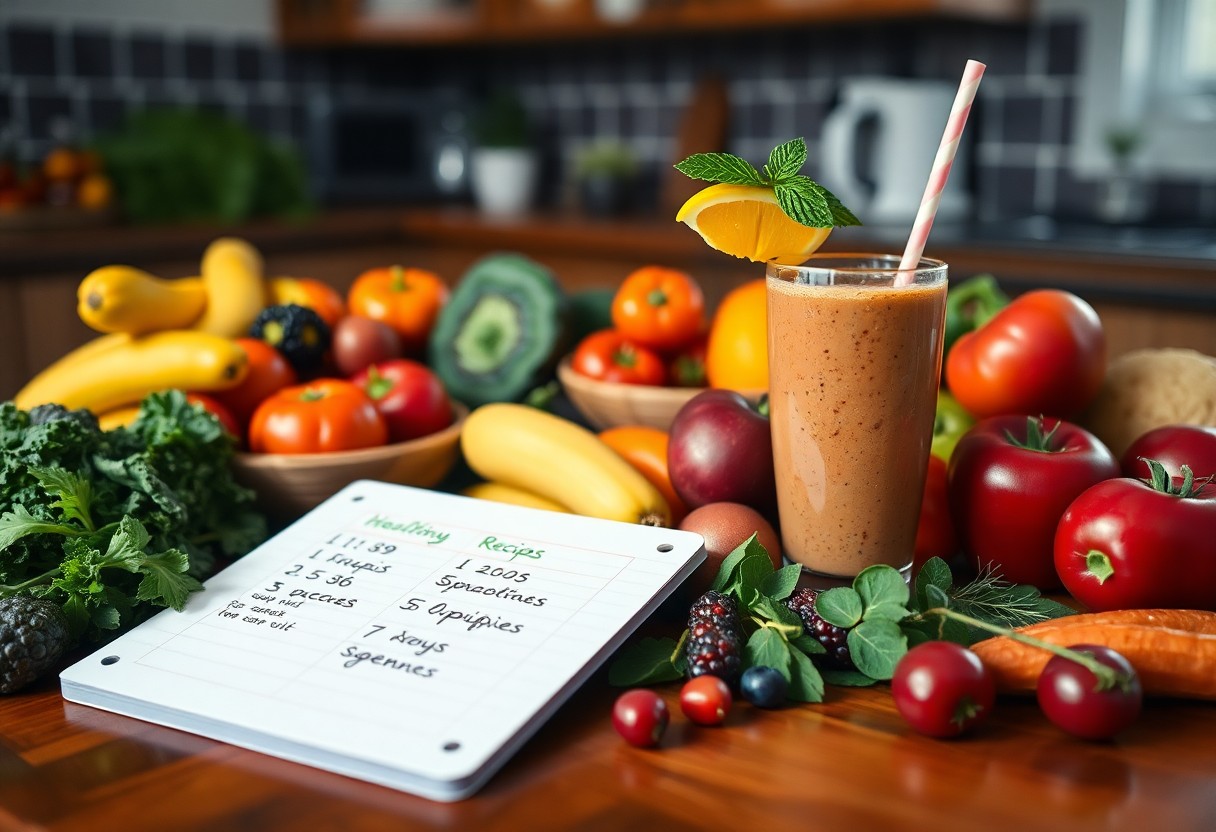
Healthy Eating Habits to Start Today

Over time, the choices you make about what you eat can significantly impact your overall health and well-being. Adopting healthy eating habits can help you feel more energized, improve your mood, and maintain a healthy weight. This post will guide you through practical and actionable steps you can take today to enhance your diet and cultivate lifelong healthy habits. By focusing on balanced nutrition and mindful eating, you can transform your relationship with food and set yourself up for long-term success.

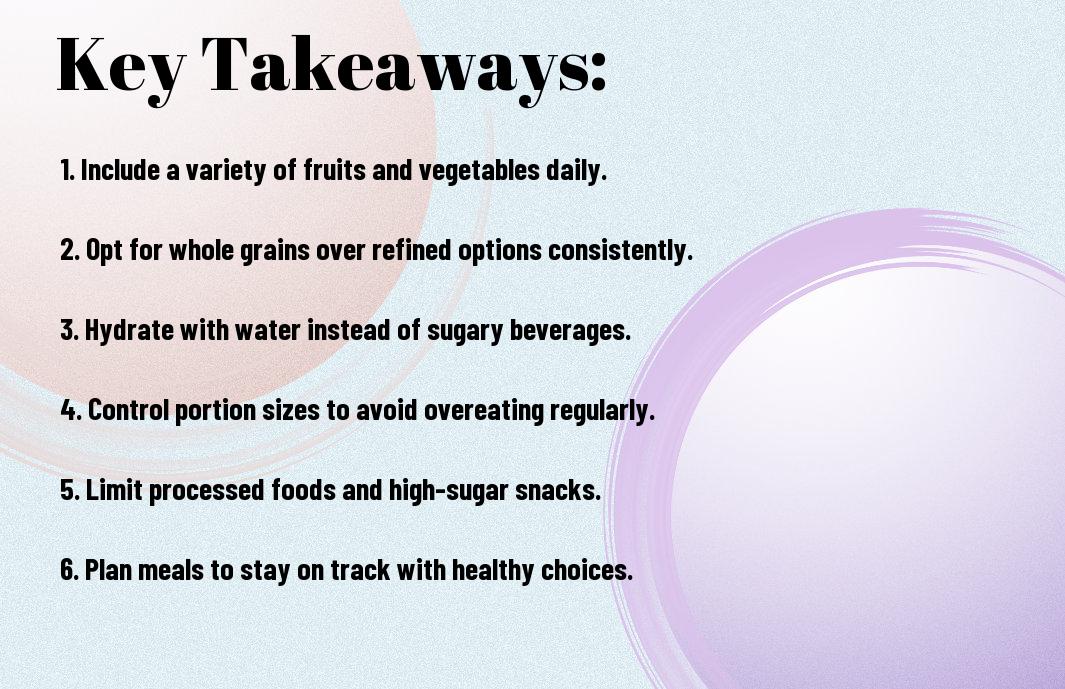
Key Takeaways:

  • Incorporate Variety: Eating a wide range of foods ensures you get all necessary nutrients and prevents meal fatigue.
  • Stay Hydrated: Drinking plenty of water is vital for overall health and can help curb unnecessary snacking.
  • Mind Portion Sizes: Being mindful of portion sizes helps manage calorie intake and promotes a healthy weight.
  • Plan Meals Ahead: Preparing meals in advance can help you make healthier choices and avoid last-minute unhealthy options.
  • Limit Processed Foods: Reducing consumption of processed foods can lead to better overall health and improve nutrient intake.

healthy eating habits to start today ejk

Understanding Nutrition

Your journey to healthier eating starts with a solid understanding of nutrition. Nutrition is all about how the foods you consume affect your overall health and well-being. By learning the different elements that make up your diet, you can become more mindful of your choices and how they influence your body. This knowledge empowers you to create balanced meals that promote energy, support bodily functions, and help you achieve your health goals.

Macronutrients Explained

Before venturing into healthy eating, it’s important to understand macronutrients. These are the nutrients your body needs in larger quantities to function effectively, including carbohydrates, proteins, and fats. Each macronutrient plays a unique role, from providing energy to aiding in growth and repair. Balancing these elements in your diet ensures you have the fuel needed for daily activities and overall health.

Micronutrients and Their Importance

Across a balanced diet, micronutrients such as vitamins and minerals play a vital role in maintaining your health. These important nutrients are required in smaller amounts but are just as important as macronutrients. They support various bodily functions, including immune response, bone health, and energy production. By ensuring you get a diverse range of foods, you can easily meet your micronutrient needs and enhance your overall well-being.

Micronutrients not only contribute to physical health but also impact mental well-being and cognitive function. For example, deficiencies in certain vitamins and minerals can lead to fatigue, mood swings, or impaired memory. Incorporating a variety of fruits, vegetables, grains, and proteins into your diet can help you avoid these deficiencies. Ultimately, paying attention to both macronutrients and micronutrients will set you on the path to a more balanced and nourishing way of eating.

Building a Balanced Plate

Some key elements of a balanced plate include a variety of food groups that work together to fuel your body effectively. Aim for a mix of carbohydrates, proteins, and healthy fats, all while ensuring you incorporate plenty of fruits and vegetables. By doing this, you not only satisfy your hunger but also provide important nutrients your body needs to function optimally.

Portion Control

Between your meals, it’s important to be mindful of portion sizes to avoid overeating. Use smaller plates to help manage your servings and learn to listen to your body’s hunger signals. This practice not only aids in weight management but also encourages you to savor your food, enhancing your overall dining experience.

Food Groups to Include

Building a balanced plate involves including a range of food groups that nourish your body. Aim to fill half your plate with fruits and vegetables, a quarter with whole grains, and a quarter with lean protein sources like poultry, fish, beans, or legumes. Additionally, don’t forget to add healthy fats from sources like avocado, nuts, or olive oil to support your overall health.

A balanced plate is important for optimal nutrition. Filling half of your plate with colorful fruits and vegetables ensures a variety of vitamins and minerals, while whole grains provide energy and fiber. Lean proteins help repair tissues and build muscle, while healthy fats contribute to satiety and nutrient absorption. By consciously choosing foods from these groups, you create meals that not only satisfy your hunger but also promote sustained energy and overall wellness.

healthy eating habits to start today igd

Meal Planning Strategies

Unlike impulsive eating habits, effective meal planning strategies can help you stay on track with your healthy eating goals. By taking the time to plan your meals in advance, you can make informed decisions about what to eat, save time during the week, and reduce food waste. Start by assessing your schedule and determining how many meals you’ll need for the upcoming week. Plan a variety of dishes that incorporate whole foods, proteins, and vegetables to keep your diet balanced and enjoyable.

Creating a Weekly Menu

By outlining a weekly menu, you not only streamline your grocery shopping but also ensure you’re consuming a diverse range of nutrients. Try to include different proteins and a mix of grains and veggies, with at least one new recipe each week to keep things interesting.

Smart Grocery Shopping Tips

One effective strategy for grocery shopping is to create a list that aligns with your weekly meal plan. This helps you stay focused and avoid impulse purchases. Here are some tips to optimize your shopping experience:

  • Shop the perimeter of the store, where whole foods are usually located.
  • Buy in bulk to save money, particularly for non-perishable items.
  • Check pantry items before shopping to avoid duplicates.
  • Choose seasonal produce for better taste and cost-efficiency.

This preparation will make your grocery trips more efficient and keep your meals aligned with your healthy eating goals.

Strategies for smart grocery shopping enhance your healthy eating journey. Plan to shop once a week and stick to your list to avoid unnecessary items. Keeping an eye out for sales can also help you make better choices while saving money. Consider these additional tips:

  • Keep a running grocery list on your phone for easy access.
  • Use coupons and store loyalty programs to maximize savings.
  • Evaluate product labels to ensure quality and nutritional value.

This mindful approach can lead to healthier choices and a better overall shopping experience.

Healthy Snacking Options

Not all snacks are created equal. By choosing nutritious options, you can keep your energy levels up without compromising your health. Focus on whole foods such as fruits, vegetables, nuts, and seeds. For more insights on building a healthier diet, check out the Healthy eating basics | Heart and Stroke Foundation.

Nutritious Snack Ideas

Nutritious snacks can help curb hunger and fuel your day. Opt for sliced veggies with hummus, Greek yogurt with fresh berries, or a handful of almonds. These options not only satisfy your cravings but also provide vital vitamins and minerals to support your overall health.

Avoiding Processed Snacks

Between the convenience of processed snacks and your desire for healthy choices, it’s vital to prioritize whole foods. With tempting options like chips and sugary treats available, it can be easy to reach for these less nutritious items during snack time. Instead, focus on preparing portioned snacks that will keep you satisfied while contributing to your health goals.

At the grocery store, aim to steer clear of aisles filled with processed snacks. These items often contain high levels of added sugars, unhealthy fats, and artificial ingredients, which can negatively impact your wellbeing. Instead, invest your shopping time in the produce section or the whole foods aisle. Planning ahead by preparing your snacks in advance can help you avoid the allure of less healthy options, ensuring that your snacking habits support your wellness journey.

Hydration and Its Role in Health

After fueling your body with nutritious foods, hydration is the next crucial step for achieving optimal health. Staying well-hydrated supports various bodily functions, including digestion, nutrient absorption, and temperature regulation. When you prioritize hydration, you help maintain your energy levels and may improve your focus, making it an easy yet powerful habit to incorporate into your daily life.

Importance of Water

Along with being vital for hydration, water plays a significant role in maintaining your overall health. It aids in flushing out toxins, cushioning joints, and delivering crucial nutrients to cells throughout your body. By ensuring you consume enough water each day, you support proper functioning and help prevent dehydration-related ailments.

Other Healthy Beverage Choices

After water, there are several other healthy beverage options you can include in your diet. Herbal teas, infused water, and low-calorie beverages can be great alternatives that provide flavor without excessive sugar or calories. Consider incorporating such drinks for variety while still prioritizing hydration.

To further enhance your hydration routine, experiment with herbal teas that are naturally caffeine-free and offer various health benefits. You might also try adding slices of fruits or herbs to your water for a refreshing twist; options like lemon, mint, or berries can elevate the taste while keeping you hydrated. Smoothies made with whole fruits and vegetables are another delicious way to fuel your body and stay hydrated, making them a fantastic addition to your beverage choices.

Mindful Eating Practices

All too often, our eating habits become automatic, disconnected from our mind and body. By incorporating mindful eating practices into your routine, you can develop a more conscious relationship with food. This approach encourages you to slow down and savor each bite, paying attention to flavors, textures, and your body’s signals. By doing so, you’ll not only enhance your enjoyment of meals but also improve digestion and potentially aid in weight management.

Listening to Your Body

With a focus on tuning in to your physical sensations, you can cultivate a deeper understanding of your hunger and fullness cues. This practice allows you to differentiate between emotional cues and genuine hunger, making it easier to nourish your body appropriately. The more in tune you become with your body’s signals, the better you can align your eating habits with your nutritional needs.

Reducing Emotional Eating

About managing emotional eating, it is important to recognize triggers that lead you to turn to food for comfort. By developing strategies to cope with stress or emotional turmoil that don’t involve food, you can break this cycle. You might consider exploring alternative activities such as meditation, journaling, or engaging in physical exercise, which can provide the emotional release you seek without the calories. Finding supportive communities or talking to a therapist can also help you address underlying feelings more healthily.

A key aspect of reducing emotional eating is to identify when you eat out of boredom, sadness, or anxiety rather than hunger. By keeping a food and feelings journal, you can track the times you eat while emotional and note your feelings before and after eating. This awareness allows you to understand patterns in your eating behavior and helps you create healthier coping mechanisms to manage your emotions, ultimately leading to a more balanced relationship with food.

Final Words

Upon reflecting on healthy eating habits, it’s clear that the choices you make today can significantly impact your overall well-being. By incorporating more fruits, vegetables, whole grains, and lean proteins into your meals, you set the foundation for a healthier lifestyle. Additionally, staying mindful of portion sizes and drinking plenty of water can further enhance your approach to nutrition. Start small, be consistent, and soon, your environment will support you in creating lasting, positive changes in your eating habits.

FAQ

Q: What are some simple healthy eating habits I can start implementing today?

A: You can begin by incorporating more fruits and vegetables into your meals, aiming for at least five servings a day. Consider swapping out sugary drinks for water or herbal tea, and try to plan your meals ahead of time to avoid impulse eating. Additionally, aim to eat whole grains instead of refined grains, and opt for lean proteins like chicken, fish, beans, and legumes. These changes are manageable and can lead to better overall health over time.

Q: How can I maintain healthy eating habits while dining out?

A: When eating out, look for menu items that are grilled, baked, or steamed rather than fried. Opt for water or unsweetened beverages instead of soda, and consider sharing larger portions with someone or asking for a to-go box to save part of your meal for later. Focus on pre-meal strategies, like checking the menu online beforehand to decide on your meal, and prioritizing dishes that include vegetables or whole grains. This helps you stay aligned with your healthy eating goals even when you’re not cooking at home.

Q: What role does meal planning play in developing a healthy eating routine?

A: Meal planning is an effective way to foster a healthy eating routine because it helps you make intentional choices about what you eat throughout the week. By planning meals ahead of time, you can ensure that you have balanced options available, reduce the likelihood of unhealthy snacking, and save money on grocery shopping. Start by setting aside some time each week to plan your meals, create a shopping list, and prep ingredients. This not only helps streamline your cooking process but also encourages a diverse intake of nutrients.

What to Eat Before and After a Workout

Postworkout nutrition plays a significant role in optimizing your performance and recovery. Knowing what to eat before and after your workout can enhance your energy levels, improve endurance, and support muscle repair. In this informative guide, you’ll discover the best foods to fuel your body pre-exercise and replenish nutrients afterward, ensuring you get the most out of your workout sessions. Equip yourself with the right knowledge to elevate your fitness journey and achieve your goals more effectively!

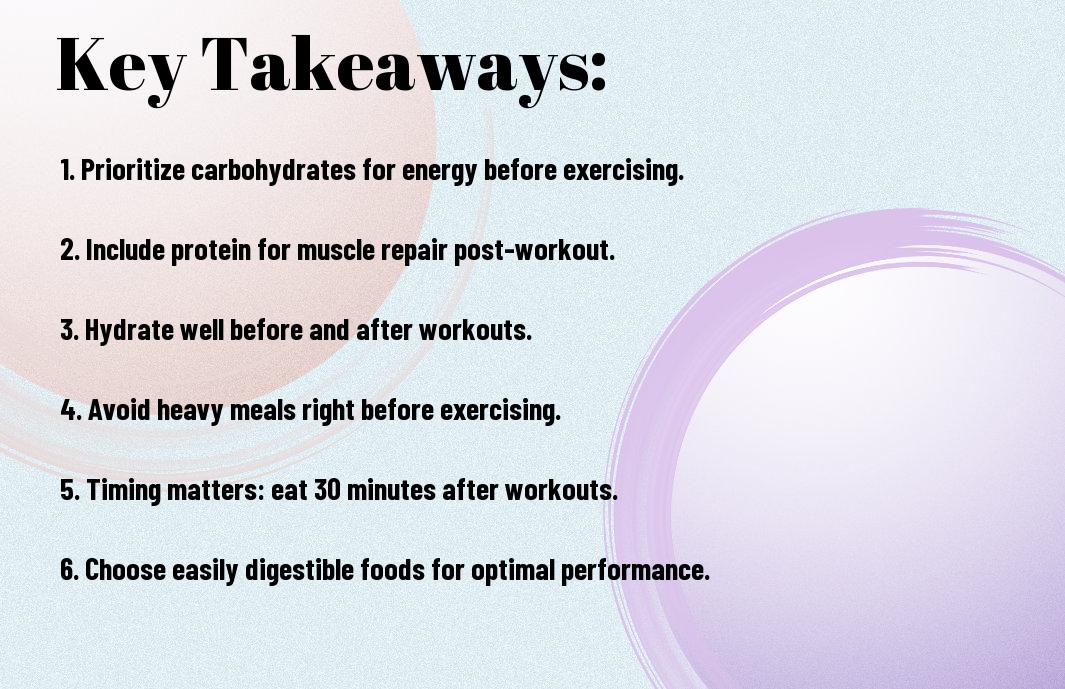
Key Takeaways:

  • Pre-Workout Fuel: Focus on consuming carbohydrates and protein about 30-60 minutes before exercising to boost energy levels.
  • Hydration: Drink water before, during, and after workouts to maintain optimal hydration and enhance performance.
  • Post-Workout Recovery: Incorporate protein and healthy carbs within 30 minutes after exercising to aid muscle recovery and replenish glycogen stores.
  • Balanced Meals: Aim for balanced meals containing macronutrients to support overall fitness goals and maintain energy throughout the day.
  • Listen to Your Body: Customize your pre- and post-workout nutrition based on individual energy needs and workout intensity.

pre and postworkout nutrition guide hqo

pre and postworkout nutrition guide wbk

The Importance of Pre-Workout Nutrition

The right pre-workout nutrition can significantly enhance your performance and energy levels during exercise. It’s necessary to fuel your body properly before hitting the gym. Eating the right foods can maximize your endurance and strength while reducing the risk of fatigue. For more insights on this topic, check out Food as Fuel Before, During and After Workouts.

Fueling Your Body for Performance

Below are some effective strategies to ensure you’re providing your body with the proper nutrients needed to perform at your best. Focus on a balance of carbohydrates for energy, protein for muscle repair, and healthy fats for sustained fuel. Incorporate these elements into your pre-workout meal to enhance your overall experience and results.

Timing Your Pre-Workout Meal

PreWorkout meals should be eaten 30 minutes to 3 hours before exercising, depending on your digestive comfort and the intensity of your workout. The key is to find the timing that works best for your body, ensuring you have enough energy without feeling weighed down.

Performance is optimized when you eat your pre-workout meal at the right time. If you eat too close to your workout, you might feel sluggish or uncomfortable; however, eating too early can lead to energy dips during your training. Generally, a balanced meal containing carbs and protein 1 to 2 hours before exercising will give you sustained energy without causing discomfort.

Ideal Foods to Eat Before a Workout

Any workout routine hinges on the right fuel, and what you eat before exercising directly impacts your performance. Consuming the right combination of nutrients can enhance stamina and energy levels, helping you push through your workout more effectively. Focus on choosing foods that are easy to digest and provide lasting energy for optimal results.

Carbohydrates for Energy

Carbohydrates are your body’s primary source of energy, especially during intense exercise. Including complex carbs like whole grains, fruits, and vegetables in your pre-workout meal ensures a steady release of energy, enabling you to perform at your best. Aim to consume these foods about 30-60 minutes before your session to maximize their benefits.

Protein for Muscle Support

After exercising, your muscles need support to recover and grow stronger. Protein plays a significant role in this process, helping to repair muscle tissue and reduce soreness. Including a source of protein in your pre-workout meal can optimize your performance and prepare your muscles for the upcoming challenge.

Consequently, incorporating protein into your diet before a workout is important for muscle support and recovery. Ideal sources include lean meats, dairy products, or plant-based options like beans and lentils. By consuming protein before your workout, you provide your muscles with the building blocks they need for repair and growth while also contributing to better overall performance.

Hydration Strategies

Now that you understand the importance of nutrition before and after your workout, it’s vital to incorporate a strong hydration strategy into your routine. Proper hydration impacts your performance, recovery, and overall well-being. Ensuring you’re adequately hydrated enhances your energy levels and prevents fatigue, enabling you to get the most out of your exercise sessions.

Importance of Staying Hydrated

Below are a few reasons why staying hydrated is fundamental for your fitness journey. When you’re dehydrated, your body struggles to regulate temperature and move nutrients effectively, leading to decreased performance. Staying hydrated helps maintain endurance, enhances muscle recovery, and supports overall bodily functions, helping you work toward your fitness goals.

Best Hydration Practices

For effective hydration, start by drinking water throughout the day, not just before or after exercise. Aim for at least half your body weight in ounces daily, adjusting based on activity intensity and duration. Pay attention to your body — if you feel thirsty, drink. Utilize electrolyte-rich beverages during prolonged workouts to replace lost fluids and minerals, ensuring optimal performance and recovery.

Hydration plays a vital role in your overall health and athletic performance. It’s a good idea to consume water before your workout to prime your body and maintain hydration during exercise to prevent fatigue and cramping. After exercising, continue to hydrate, as replenishing fluids lost during workouts aids in quicker recovery. Listening to your body and staying attuned to changes in thirst cues will guide you towards maintaining effective hydration levels for your fitness activities.

Post-Workout Nutrition Essentials

Many people overlook the importance of post-workout nutrition, but proper fueling is vital for recovery and muscle repair. Consuming the right combination of protein and carbohydrates within a few hours after exercise helps replenish glycogen stores and initiates muscle recovery. Prioritizing post-workout meals ensures that your body has the nutrients it needs to rebuild and strengthen, ultimately enhancing your overall performance in future workouts.

The Role of Recovery Meals

At the core of effective recovery meals is the balance of protein and carbohydrates, which plays a significant role in muscle repair and energy restoration. By incorporating these nutrients into your post-workout meal, you provide your body with the building blocks it needs to recover effectively. Whether it’s a protein shake, a balanced meal, or a healthy snack, ensuring that you consume a recovery meal can lead to better results in your fitness journey.

Timing Your Post-Workout Meal

Along with the nutritional content, when you eat post-workout also matters. Consuming your recovery meal within 30 to 60 minutes after exercising can maximize the benefits of your hard work. This window gives your muscles the opportunity to absorb the nutrients they need most effectively.

Post-workout nutrition timing is pivotal in achieving optimal recovery. Eating soon after your workout helps to mitigate muscle breakdown and kick-starts the repair process. If you’re unable to have a full meal right after exercising, consider a quick and easy option like a protein smoothie or bar to fuel your recovery. As you transition back to your normal eating routine, prioritize that post-workout meal to set the tone for your recovery and prepare your body for your next workout.

Optimal Foods to Consume After a Workout

Keep in mind that nourishing your body after a workout is imperative for recovery and overall wellness. Consuming the right foods can help replenish energy levels, promote muscle recovery, and prepare you for your next exercise session. Focus on a combination of carbohydrates and protein, as this duo works together to refuel your body and aid in muscle repair. Ideally, aim to eat within 30 to 60 minutes post-workout to maximize these benefits.

Replenishing Lost Energy

Before you consider your post-workout meal, it’s imperative to replenish the energy you’ve expended during exercise. Consuming carbohydrates is key, as they get converted to glycogen—the energy your muscles rely on. Opt for foods like whole grains, fruits, or energy bars that will quickly restore your energy. Pairing these with a source of protein can further enhance your recovery, ensuring you feel energized for your next workout.

Supporting Muscle Recovery

Among the most important aspects of post-workout nutrition is supporting muscle recovery. Including high-quality protein in your meal can significantly assist in muscle repair and rebuilding, as it provides the imperative amino acids necessary for growth. Foods such as lean meats, fish, yogurt, or plant-based proteins not only help mend the muscle fibers damaged during your workout but also promote synthesis of new muscle tissues.

Muscle recovery involves more than just replenishing protein. Your muscles experience microtears during workouts, and it’s this repair process that helps them grow stronger. Balancing protein intake with carbohydrates post-exercise provides your body with the fuel and resources it needs to expedite recovery. Additionally, staying hydrated is vital in aiding recovery, so be sure to drink plenty of water or electrolytes after your workout.

Common Mistakes to Avoid

After finishing your workout, avoid the mistake of skipping post-exercise nutrition. This can hinder your recovery and diminish your results. You may feel tempted to disregard eating because you’re not hungry, but nourishing your body helps replenish glycogen stores and repair muscle tissues, ensuring you maximize your efforts in the gym.

Ignoring Individual Needs

Commonly, people overlook their unique dietary requirements when planning pre- and post-workout meals. Each individual has different energy levels, dietary restrictions, and fitness goals that affect what and when they should eat. Paying attention to your body’s signals and personalizing your nutrition can lead to more effective workouts and better recovery.

Timing Issues with Meals

Before your workout, it’s important to consider when you eat. Consuming a large meal too close to your session can lead to discomfort, while neglecting to fuel your body properly may leave you feeling sluggish. Finding the right timing is vital for optimizing energy levels and performance.

Individual meal timing can vary significantly based on your workout routine and personal schedule. Ideally, you should eat a balanced meal 3-4 hours before exercising, or a smaller snack 30-60 minutes beforehand. This approach helps ensure your body has the nutrients it needs to perform effectively, while also allowing adequate time for digestion. Tailor your pre-workout meals to suit your lifestyle for optimal results.

Q: What should I eat before a workout for optimal energy?

A: Before a workout, it’s important to consume foods that provide a good balance of carbohydrates, protein, and healthy fats. Ideally, you should aim to eat 30 minutes to 2 hours before exercising. Good options include a banana with a tablespoon of almond butter, oatmeal topped with fruit, or a smoothie made with spinach, protein powder, and a banana. These choices will provide sustained energy and help improve performance during your workout.

Q: How long before a workout should I eat?

A: It depends on how your body reacts to food, but generally, it’s ideal to eat a meal 2-3 hours before a workout or a smaller snack about 30 minutes to 1 hour prior. If you have a larger meal, focus on complex carbohydrates and lean proteins, allowing enough time for digestion. If you’re consuming a snack, opt for something easily digestible, like a piece of fruit or a yogurt, to give you a quick energy boost without feeling heavy.

Q: What are the best post-workout foods to aid recovery?

A: After a workout, your body needs to replenish energy stores and support muscle recovery, so it’s best to focus on consuming a combination of protein and carbohydrates. Some excellent post-workout meal options include a protein shake with a banana, a turkey sandwich on whole grain bread, or Greek yogurt with mixed berries and nuts. Aim to eat within 30 minutes to 2 hours after exercising for optimal recovery benefits.

How to Stay Motivated on Your Healthy Eating Journey

Eating healthy can be a challenging yet rewarding experience that transforms your overall well-being. To maintain your motivation throughout this journey, you need effective strategies that align with your personal goals and lifestyle. This post will guide you through practical tips and insightful methods to help you stay inspired and committed to your healthy eating habits. By incorporating these techniques into your daily routine, you’ll find it easier to navigate cravings, plan nutritious meals, and maintain momentum on your path to better health.

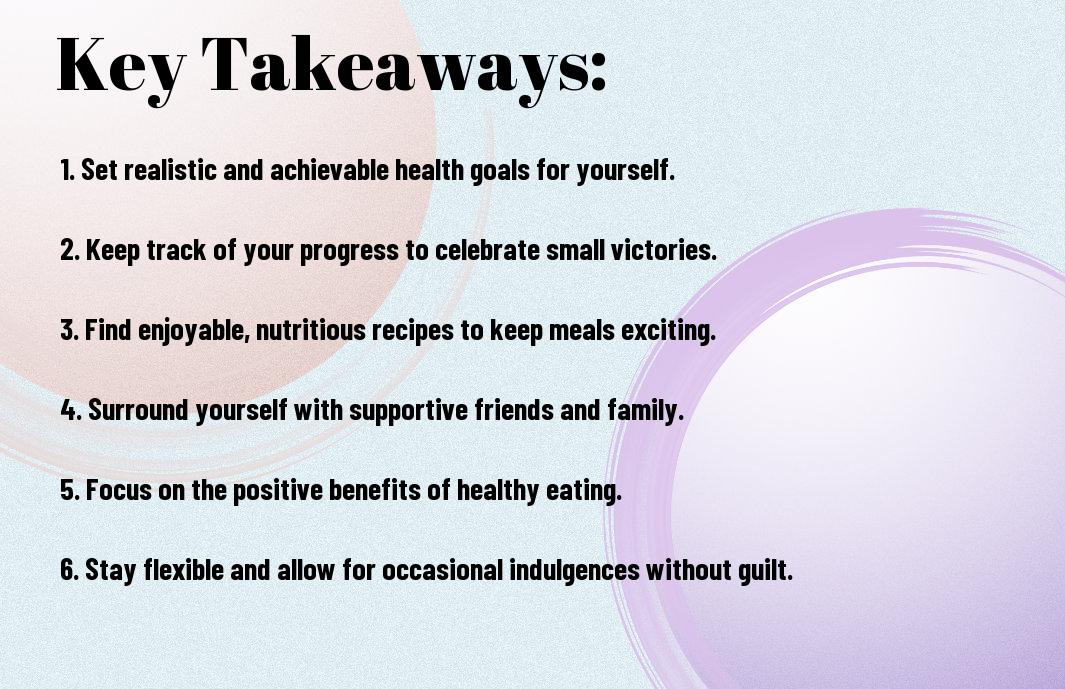
Key Takeaways:

  • Set Realistic Goals: Establish achievable objectives that cater to your lifestyle to make the journey sustainable and enjoyable.
  • Find a Support System: Surround yourself with like-minded individuals who encourage and motivate you to stay on track.
  • Celebrate Small Wins: Acknowledge and reward yourself for progress, no matter how minor, to maintain enthusiasm and commitment.

staying motivated in healthy eating sob

Understanding Your Why

For your healthy eating journey to be effective, it’s necessary to understand your ‘why’. Identifying the underlying motivations that propel you towards healthier choices can empower you to stick with your goals. Whether it’s improving your overall health, boosting your energy levels, or setting a positive example for your family, knowing your why provides clarity and focus. This understanding will serve as a foundation that keeps you motivated and aligned with your objectives as you navigate the ups and downs of healthy eating.

Identifying Personal Goals

After you’ve considered your motivations, it’s time to identify your personal goals. Setting specific, measurable objectives can help you clarify what you want to achieve on your healthy eating journey. Whether it’s preparing homemade meals five times a week or incorporating more fruits and vegetables into your diet, defining your goals makes your aspirations more tangible and achievable.

Connecting Values to Eating Habits

By linking your values to your eating habits, you create a powerful motivator that transcends mere goal-setting. When you align your food choices with what you believe in—be it sustainability, community, or health—your commitment strengthens. This alignment fosters emotional connections to your dietary decisions, making it easier for you to stay on track.

Consequently, this connection between values and eating habits helps you make conscious choices that resonate with your principles. By embracing values that reflect your identity, your healthy eating journey transforms from a simple task into a lifestyle change. Each meal becomes an opportunity to honor your beliefs, making it not only fulfilling but also deeply motivating as you align your actions with your core values.

Setting Realistic Expectations

Some individuals set overly ambitious goals, which can lead to disappointment and frustration on their healthy eating journey. It’s important to establish realistic expectations that align with your lifestyle and preferences. Aim for gradual improvements instead of drastic changes that may not be sustainable in the long run. By setting attainable goals, you’ll find motivation in your progress and build a healthier relationship with food.

Gradual Changes vs. Quick Fixes

Around the world of nutrition, quick fixes often promise immediate results, but they can end up being more detrimental than beneficial. Gradual changes allow you to adapt to healthier eating habits without overwhelming yourself. It’s about making small, sustainable adjustments rather than drastic overhauls. This mindset not only promotes better health but also enhances your resilience in the face of challenges.

Celebrating Small Wins

After implementing changes, it’s important to acknowledge and celebrate your achievements, no matter how small they seem. Recognizing these incremental victories can boost your confidence and keep you motivated on your health journey.

The process of eating healthy can often feel daunting, but celebrating small wins helps you appreciate the progress you’re making along the way. Every nutritious meal you prepare or any healthy choice you make counts as a step towards your ultimate goals. Whether it’s treating yourself to a favorite activity or reflecting on your accomplishments, these celebrations reinforce positive behavior, making it easier to stay committed to your healthy eating journey.

staying motivated in healthy eating oha

Creating a Support System

Unlike trying to navigate your healthy eating journey alone, building a support system can be a game changer. Surround yourself with friends, family, or colleagues who share similar goals or who encourage your commitment to healthy living. This network can provide motivation, help you stay accountable, and offer emotional support when challenges arise, making your journey more enjoyable and sustainable.

Finding Accountability Partners

Behind every successful healthy eating journey are individuals who keep you on track. Look for people in your life who are also striving for health improvements or interested in meal planning. By committing to check in with each other regularly, sharing progress, and discussing setbacks, you will find that having someone in your corner makes it easier to stay focused and engaged.

Joining Healthy Eating Communities

Beside finding accountability partners, consider tapping into larger healthy eating communities. These groups, whether online or in person, can offer invaluable resources and support. You can exchange tips, share recipes, and discuss challenges with others who understand what you’re going through.

Finding the right community can significantly enhance your healthy eating experience. Look for groups on social media, fitness apps, or local health clubs focused on nutrition. Engaging with these communities allows you to share your successes, gather diverse perspectives, and learn from others’ experiences. In addition, you may uncover various resources, workshops, and events to help you expand your knowledge and refine your eating habits.

Planning and Preparing Meals

After you decide to embrace a healthier lifestyle, planning and preparing your meals becomes necessary to maintaining your motivation. Having a structured meal plan helps you stay on track with your dietary goals and can simplify your grocery shopping. By knowing what to prepare each week, you can set yourself up for success and reduce the chances of making last-minute unhealthy choices.

Grocery Shopping Tips

Beside planning, effective grocery shopping can significantly influence your healthy eating journey. To make your shopping trips more efficient, consider the following tips:

  • Make a shopping list and stick to it.
  • Shop the perimeter of the store where whole foods are located.
  • Avoid shopping when hungry to reduce impulse purchases.
  • Check for in-season produce, which is often fresher and cheaper.

Recognizing these strategies can help you fill your cart with nutritious options while avoiding unnecessary temptations.

Meal Prepping Strategies

With meal prepping, you can save time and make healthier choices throughout the week. Planning your meals in advance allows you to prepare healthy portions and avoid the temptation of fast food on busy days.

Hence, prioritizing meal prepping can lead to better adherence to your healthy eating plans. Start by dedicating a few hours each week to cook large batches of grains, proteins, and vegetables. Store them in individual containers for easy access. Consider utilizing recipe ideas that can be easily scaled or modified, allowing for variety without extra effort. This proactive approach to your meals not only promotes healthier eating but also keeps your motivation high as you reap the benefits of your hard work.

Staying Educated and Inspired

Your journey toward healthy eating can be significantly enhanced by staying educated and inspired. Keeping yourself informed about nutrition, cooking methods, and seasonal ingredients will empower you to make better food choices. Engage with culinary blogs, podcasts, and social media influencers who align with your healthy lifestyle. As you learn, seek inspiration from your successes and the experiences of others to help cultivate a motivated mindset.

Resources for Healthy Eating

Above all, a variety of resources are at your disposal to support your healthy eating journey. Online platforms such as health-focused websites, mobile apps, and cookbooks offer valuable insights into meal planning, nutrition guidelines, and recipe ideas. Additionally, consider joining local community groups or online forums where you can share experiences, tips, and advice with like-minded individuals.

Following Nutrition Trends

One effective way to stay motivated on your healthy eating journey is by staying updated with current nutrition trends. This can help you discover new ingredients, techniques, and philosophies that resonate with you. By following reputable sources and experts in the nutrition field, you can draw inspiration from innovative meal ideas and dietary approaches that encourage healthier choices.

In addition, remaining open to nutrition trends can enhance your cooking skills and diversify your meals. Explore popular diets such as vegetarianism, the Mediterranean diet, or intermittent fasting to find what aligns with your lifestyle. However, always consider scientific evidence and expert opinions before fully committing to a trend. Balance experimentation with your personal preferences to create a path that truly resonates with you and supports your health goals.

Overcoming Challenges

Not every day will be easy on your healthy eating journey, and challenges can arise unexpectedly. It’s important to anticipate these hurdles and develop strategies to overcome them. Identifying potential obstacles like busy schedules, emotional eating, or social pressures will empower you to address them head-on. Building resilience is key to staying committed to your goals, so don’t hesitate to seek support and celebrate small victories along the way.

Dealing with Cravings

Around the time cravings hit, it’s imperative to have a game plan to navigate them effectively. Instead of giving in to the temptation, focus on drinking water, eating a healthy snack, or distracting yourself with an engaging activity. Additionally, examining the triggers behind your cravings can help you find healthier alternatives that satisfy your needs without derailing your progress.

Managing Social Situations

Social settings can be challenging when you’re trying to eat healthily, but they don’t have to derail your efforts. It’s helpful to plan ahead by reviewing the menu before going out, suggesting restaurants that offer healthier options, or even eating a light snack beforehand. Consciously making choices and communicating your goals with friends can foster an understanding environment, where you can enjoy the gathering without compromising your health.

Due to the potential pressure from peers at social gatherings, having a solid support system is invaluable. When you share your healthy eating goals, your friends may offer encouragement or even join you on your journey. Establishing boundaries is equally important; politely declining unhealthy options can empower you and motivate others to respect your choices. With practice, you’ll find navigating social situations becomes easier while staying true to your commitment to healthy eating.

Final Words

So, as you navigate your healthy eating journey, maintaining motivation is key to your success. Focus on setting achievable goals, celebrating your progress, and surrounding yourself with supportive individuals who share your aspirations. Incorporate a variety of nutritious foods to keep your meals exciting and satisfying. Utilize meal planning and preparation to stay on track, and when faced with setbacks, view them as opportunities to learn and grow. By consistently nurturing your motivations and creating a positive environment, you’ll be well-equipped to sustain your commitment to healthier eating habits.

Q: What are some effective strategies to maintain motivation while eating healthily?

A: To stay motivated on your healthy eating journey, set realistic and achievable goals that can be broken down into smaller steps. Celebrate your progress, no matter how small, by rewarding yourself with non-food-related treats. Also, keep a food journal to track your meals and feelings, as documenting your journey can provide insight into your habits and help you stay accountable. Surround yourself with supportive friends or join a community to share experiences and tips, further enhancing your motivation.

Q: How can I overcome cravings for unhealthy foods while staying motivated?

A: Cravings for unhealthy foods are common, but there are ways to manage them. Consider keeping healthy snacks, like fruits or nuts, readily available to satisfy sudden cravings. Engage in activities you enjoy to distract yourself from the urge to indulge. When cravings strike, try to identify the emotional triggers behind them—stress, boredom, or tiredness—so you can find healthier coping strategies. Remind yourself of your goals and visualize the benefits of healthier eating, which can help diminish the pull of unhealthy options.

Q: How do I create a supportive environment that promotes healthy eating habits?

A: Constructing a supportive environment is key to sustaining motivation. Start by clearing out unhealthy snacks from your pantry and refrigerator, making room for nutritious options. Plan your meals and grocery shopping in advance to ensure you have the ingredients on hand for healthy recipes. Additionally, share your healthy eating goals with family or roommates and encourage them to join in, creating a positive atmosphere around food. By preparing meals together or choosing restaurants that offer healthy options, you can cultivate a rewarding environment that aligns with your goals.

Building the Ultimate Smoothie – Ingredients for Energy

Most people overlook the potential of smoothies as a powerful source of energy. By carefully selecting your ingredients, you can create a delicious blend that fuels your day and keeps you feeling vibrant. Whether you need a morning boost or an afternoon pick-me-up, the right combination of fruits, vegetables, and superfoods can enhance your stamina and support overall wellness. In this guide, you’ll explore various components to build your ultimate energy smoothie, ensuring you have the perfect blend to power through your day.

Key Takeaways:

  • Diverse Ingredients: Incorporate a mix of fruits, vegetables, and protein sources to maximize nutritional benefits and flavor.
  • Natural Sweeteners: Use options like honey or maple syrup instead of refined sugars to maintain energy levels without a crash.
  • Hydration: Include water, coconut water, or almond milk as a base to keep hydration levels high and enhance the overall texture.

building the ultimate smoothie ingredients for energy woy

Selecting Base Ingredients

All great smoothies start with the right base ingredients that not only enhance flavor but also deliver energy. The foundation of your smoothie can significantly impact its taste and nutrition, so selecting high-quality components is vital for achieving that perfect blend. Ensure you keep your personal preferences and dietary needs in mind while crafting the ideal base for your energy-boosting smoothie.

Types of Liquid Bases

A variety of liquid bases can elevate your smoothie experience. Consider the following options:

  • Almond Milk
  • Coconut Water
  • Hemp Milk
  • Fruit Juice
  • Water

The choice you make influences both the flavor and nutrient absorption.

Liquid Base Benefits
Almond Milk Low in calories, high in vitamin E
Coconut Water Rich in electrolytes, refreshing flavor
Hemp Milk Omega-3 fatty acids, protein content
Fruit Juice Natural sweetness, vitamin-rich
Water Hydrating, calorie-free option

Choosing a Nutrient-Rich Base

Below your base ingredients should be nutrient-rich to provide sustained energy and nourishment. Opt for bases like Greek yogurt or spinach that not only enhance flavor but also pack a punch in the nutrition department.

Plus, these nutrient-dense options are beneficial for your overall smoothie composition. Using yogurt adds creaminess and protein, while greens provide important vitamins and minerals without overpowering the taste. Incorporating a variety of these ingredients will ensure not only a delightful smoothie but also one that fuels your body effectively throughout the day.

building the ultimate smoothie ingredients for energy bag

Powering Up with Protein

Some of the best smoothies are those that pack a protein punch. Adding protein to your smoothie not only enhances its nutritional profile but also helps to keep you satiated for longer. Whether you’re looking to fuel a workout or simply need a nourishing snack, integrating protein can provide you with the energy you need to power through your day.

Protein Sources

To elevate your smoothie, consider incorporating various protein sources such as Greek yogurt, protein powder, nut butters, or silken tofu. These ingredients not only yield a creamy texture but also deliver a robust amount of protein that supports your dietary needs. Choose options that appeal to your palate and dietary preferences to create a delicious foundation for your drink.

Benefits of Protein in Smoothies

Along with providing energy, protein plays a vital role in muscle repair and recovery. When you include protein in your smoothie, you enhance the overall nutrient balance, which can lead to improved physical performance and endurance during your workouts.

A protein-rich smoothie can also help in managing your appetite. This nutrient stabilizes your blood sugar levels, which means you feel fuller for longer and are less likely to reach for unhealthy snacks. Additionally, eating enough protein supports your metabolism, ensuring your body burns calories efficiently. By integrating this imperative component into your smoothies, you’re not just enjoying a tasty treat—you’re making a smart nutritional choice that energizes you for whatever your day may bring.

Energizing Fruits and Vegetables

Many people overlook the power of fruits and vegetables when it comes to boosting energy levels. These natural ingredients are packed with vitamins, minerals, and antioxidants that can invigorate your body and enhance your overall well-being. Incorporating a variety of energizing fruits and vegetables into your smoothie not only enriches its flavor but can also optimize your nutrient intake, giving you the fuel you need to tackle your day.

Top Fruits for Energy Boost

Against common beliefs, not all fruits have the same energy-boosting properties. Bananas are rich in potassium, providing quick energy, while berries are loaded with antioxidants that combat fatigue. Apples and oranges can also give you a healthful lift, making them great additions to your smoothie for sustained energy throughout the day.

Vegetables to Enhance Nutrient Content

Across various leafy greens and root vegetables, you can find incredible options to enhance your smoothie’s nutrient profile. Spinach, kale, and Swiss chard are packed with iron and vitamins that can support energy production, while carrots and beets add sweetness and a vibrant color, along with additional antioxidants. These vegetables not only contribute necessary nutrients but also promote overall health.

This inclusion of nutrient-dense vegetables can play a significant role in creating a balanced smoothie that supports your energy needs. By combining dark leafy greens with fiber-rich vegetables, you amplify your intake of vitamins A, C, and K, as well as necessary minerals. These nutrients aid in maintaining stable energy levels throughout the day, helping to sustain your focus and productivity.

Superfoods for an Extra Boost

Not just a trend, superfoods can elevate your smoothie to new heights. By integrating nutrient-dense ingredients like spirulina, chia seeds, and acai berries, you can significantly enhance your energy levels. For inspiration, check out The Energizer Berry Smoothie – Audreythena Food Goddess for a delicious blend that packs a punch.

Popular Superfoods for Smoothies

An array of superfoods are perfect for smoothies, ranging from nutrient-rich greens like kale and spinach to antioxidant-packed berries such as blueberries and raspberries. Adding a spoonful of matcha or a sprinkle of hemp seeds can also diversify the nutritional profile of your drink, making it not only tasty but also incredibly energizing.

How Superfoods Improve Energy Levels

Against common misconceptions, incorporating superfoods into your smoothies can profoundly impact your energy levels. These ingredients are typically high in vitamins, minerals, and antioxidants, which are crucial for cellular function and overall vitality.

But it isn’t just about what you blend; it’s about how these components interact within your body. Superfoods help stabilize blood sugar levels, reduce inflammation, and provide crucial nutrients that may be missing from your regular diet. By supporting metabolic processes, these ingredients equip you with sustained energy throughout the day, reducing that afternoon slump. When you make superfoods a regular addition to your smoothies, you’ll likely notice a boost in your overall wellness and vitality.

Incorporating Healthy Fats

Once again, incorporating healthy fats into your smoothie can enhance its nutritional profile while providing sustained energy throughout your day. Including fats not only adds creaminess and richness to your blend, but also helps absorb fat-soluble vitamins like A, D, E, and K. With the right fats in your smoothie, you can support your overall health and maintain balanced energy levels that carry you through busy schedules.

Types of Healthy Fats

Against the misconception that all fats are unhealthy, you can choose from a variety of beneficial fats to include in your smoothie. Here are some types to consider:

  • Avocado
  • Nuts and seeds (e.g., chia seeds, flaxseeds)
  • Coconut oil or coconut milk
  • Nut butters (e.g., almond butter, peanut butter)
  • Olive oil

Assume that incorporating even a small amount of these fats can significantly enhance your smoothie experience.

The Role of Fats in Energy Production

Production of energy in your body relies on a blend of macronutrients, with fats providing a dense source of fuel. Unlike carbohydrates, fats serve as a long-lasting energy source, offering a sustained release of energy that keeps you active throughout the day. By including healthy fats in your smoothie, you maximize the energy potential of your meal or snack.

Healthy fats serve as an imperative building block for cell membranes and hormones, while also facilitating the absorption of fat-soluble vitamins. They offer not just immediate energy but also contribute to better overall health, supporting brain function and reducing inflammation. When you prioritize healthy fats in your diet, you can enhance your energy production and maintain high performance during your daily activities.

Flavor Enhancers and Add-ins

Keep your smoothies exciting and unique by incorporating flavor enhancers and add-ins. These ingredients can elevate the taste of your smoothie while providing additional health benefits. From natural sweeteners to spices, the right combinations can transform a basic smoothie into a delicious and energizing treat that you’ll anticipate sipping on daily. Discover the various options available and how they can enhance your overall smoothie experience.

Natural Sweeteners

Below are some great natural sweeteners that can take your smoothie from bland to blissful. Consider adding honey, maple syrup, or agave nectar for a hint of sweetness without the processed sugars. You can also use ripe bananas or medjool dates to achieve the desired sweetness while providing additional nutrients. These options offer a delicious way to satisfy your sweet tooth while enhancing the overall flavor of your smoothie.

Spices and Flavor Boosters

With the addition of spices and flavor boosters, you can turn your smoothie into a vibrant experience. Ingredients like cinnamon, ginger, or cayenne pepper not only provide unique flavor profiles but can also contribute health benefits, such as improved digestion and increased metabolism. These spices can easily be incorporated into your smoothie for a warm, cozy feeling or a spicy kick that invigorates your taste buds.

At the same time, consider experimenting with flavor boosters like vanilla extract or cacao powder. Vanilla adds a warm sweetness, while cacao introduces a rich, chocolatey flavor without the added sugars. Both can enhance your smoothie’s taste in different ways, allowing you to tailor it to your personal preferences. Don’t hesitate to mix and match spices and flavor boosters until you find your perfect combination!

Summing up

With these considerations in mind, you can build the ultimate smoothie that fuels your energy levels throughout the day. By incorporating a variety of ingredients like leafy greens, fruits, healthy fats, and protein sources, you ensure a balanced blend that supports your health and vitality. Experimenting with different combinations will not only keep your smoothies interesting but also allow you to find what works best for your personal taste and energy needs. Enjoy creating your perfect smoothie and feel the difference it makes in your daily life!

FAQ

Q: What are the best ingredients to include in a smoothie for an energy boost?

A: To create an energy-boosting smoothie, consider using a combination of leafy greens (like spinach or kale), fruits (such as bananas, berries, and mango), nuts or nut butters (like almond or peanut), and a liquid base (like almond milk or coconut water). Additionally, incorporating ingredients such as oats, chia seeds, or protein powder can enhance the nutritional profile and provide sustained energy throughout the day.

Q: How can I customize my smoothie for different energy needs?

A: You can tailor your smoothie based on your specific energy requirements. For quick energy pre-workout, prioritize fruits and easily digestible ingredients like bananas and oats. If you’re looking for long-lasting energy, include healthy fats from avocado or nut butter along with protein sources like Greek yogurt or protein powder. Adjust the portions and ingredients based on your activity level and the time of day.

Q: How do I ensure my smoothie doesn’t have too much sugar while still being energizing?

A: To maintain a balanced sugar level in your smoothie, focus on incorporating whole ingredients with low glycemic indexes, such as leafy greens, high-fiber fruits, and unsweetened liquids. Limit the use of fruit juices or sweetened yogurts. For added sweetness without excess sugar, consider using spices like cinnamon or a small amount of natural sweeteners such as honey or maple syrup.

Best Foods for a Detox Diet

You may benefit from incorporating specific foods into your detox diet that can help cleanse your body and enhance overall wellness. A well-balanced detox plan focuses on nutrient-rich foods that support liver function, digestion, and elimination of toxins. In this blog post, we’ll explore some of the best foods you can add to your meals that promote health and vitality while helping you feel rejuvenated. Let’s explore the top choices that can make a significant difference in your detox journey.

Key Takeaways:

  • Leafy Greens: Incorporating leafy greens like spinach, kale, and Swiss chard can aid liver function and improve detoxification.
  • Citrus Fruits: Fruits like lemons and grapefruits are high in vitamin C and antioxidants, which support the body’s natural detox processes.
  • Hydration: Drinking plenty of water is important for flushing out toxins and maintaining overall health during a detox diet.

best foods for a detox diet pzu

Understanding Detoxification

The process of detoxification involves removing harmful substances from your body to promote overall health and well-being. It allows your body to rejuvenate and function optimally, focusing on cleansing the liver, kidneys, and digestive system. By understanding detoxification, you can make informed choices about the foods and practices that will best support your body’s natural cleansing processes.

What is Detoxification?

What detoxification means is the body’s ability to eliminate toxins—substances that can negatively affect your health. These can be environmental pollutants, processed foods, or even metabolic waste. Detoxification helps neutralize and remove these harmful components, ensuring your body operates effectively and efficiently.

The Role of Diet in Detox

Against the backdrop of modern living, your diet plays a significant role in the detoxification process. By choosing whole, nutrient-dense foods, you can optimize your body’s natural detox pathways and enhance your overall health.

Role of your diet in detoxification cannot be overstated, as it directly influences how effectively your body can eliminate toxins. Foods rich in antioxidants, fiber, and crucial nutrients help to support organ function, particularly the liver and kidneys, which are pivotal in detoxifying your system. Incorporating fruits, vegetables, whole grains, and healthy fats will not only nourish your body but also promote efficient detoxification, making your journey towards better health smoother and more effective.

Key Foods for a Successful Detox

You can enhance your detox experience by incorporating specific foods that help eliminate toxins and support your body’s natural processes. Whole, nutrient-dense foods, such as fruits, vegetables, whole grains, and healthy fats, play a significant role in detoxification. These foods not only provide vital vitamins and minerals but also aid in digestion and promote overall wellness, making your detox journey more effective.

Leafy Greens

Between kale, spinach, and Swiss chard, leafy greens are powerhouse foods when it comes to detoxing. They are high in antioxidants, vitamins, and minerals, which help neutralize harmful toxins and support liver function. Adding these greens to your meals can enhance your body’s ability to cleanse, ensuring you feel revitalized and energized throughout your detox.

Cruciferous Vegetables

An assortment of vegetables like broccoli, cauliflower, and Brussels sprouts is vital for a detox diet. Their high fiber content not only helps regulate your digestion but also promotes the elimination of toxins. These vegetables contain powerful phytonutrients that support the liver in its detoxification processes, making them an vital component in your meals.

Cruciferous vegetables are rich in sulfur-containing compounds that activate detoxification enzymes in the liver. This can effectively break down toxins and aid in their removal from your body. Incorporating a variety of these vegetables into your diet can also provide vital vitamins and minerals that boost your immune system, enhance gut health, and optimize overall wellness during your detox journey.

Fruits that Aid Detoxification

Despite a wide variety of foods available, certain fruits stand out for their detoxifying properties. Fruits are not only refreshing but also packed with vital vitamins and antioxidants that help your body eliminate toxins more efficiently. Incorporating these fruits into your diet can promote overall health and wellness, boosting your natural cleansing process.

Citrus Fruits

Fruits like oranges, lemons, and grapefruits are excellent choices for detoxification. Their high vitamin C content enhances your immune system and promotes liver function, allowing your body to flush out harmful substances more effectively. Additionally, the citric acid in these fruits can help dissolve kidney stones and prevent kidney-related issues, further supporting detoxification.

Berries

Citrus fruits are not the only players in the detox game; berries are equally potent. Blueberries, strawberries, and blackberries are rich in antioxidants, which help combat oxidative stress and support your liver’s detoxifying functions. These small but mighty fruits also contain fiber, promoting healthy digestion and aiding in the removal of waste from your system.

Plus, berries are low in calories and high in nutrients, making them a perfect snack for your detox diet. They can help regulate your blood sugar levels and reduce inflammation, enhancing your body’s ability to detoxify naturally. Adding a mix of berries to your smoothies, salads, or yogurt not only boosts flavor but also elevates your overall health while you cleanse.

Beneficial Herbs and Spices

Your detox diet can greatly benefit from incorporating herbs and spices, as they not only enhance flavor but also provide powerful healing properties. From boosting metabolism to fighting inflammation, these natural ingredients can optimize your body’s detoxification processes, helping you feel rejuvenated and energized.

Turmeric

Beside being a vibrant addition to your meals, turmeric is celebrated for its active compound, curcumin, which possesses potent anti-inflammatory and antioxidant properties. Including turmeric in your detox diet can help reduce inflammation, support liver function, and promote overall health, making it an excellent ally in your cleansing journey.

Ginger

Before stepping into your detox, consider the benefits of ginger, which is known for its digestive properties. This powerful root can help alleviate bloating and improve nutrient absorption, ensuring your body processes detoxifying foods more efficiently. Adding ginger to your detox plan can enhance both flavor and health benefits.

At its core, ginger is a remarkable herb that supports detoxification through its ability to stimulate digestion and circulation. Rich in antioxidants, ginger can help combat oxidative stress while promoting a healthy gut environment. Whether you use it in teas, smoothies, or as a spice in your dishes, incorporating ginger into your detox diet can significantly enhance your body’s natural cleansing capabilities.

Hydration and Detox

All detox diets emphasize the importance of hydration, as flushing toxins from your body is key to an effective cleanse. Staying well-hydrated helps your kidneys function properly, supports digestion, and enhances skin clarity. Incorporating water and hydrating foods into your daily routine not only aids in detoxification but also promotes overall health, ultimately fostering a refreshed state of being.

Importance of Water

Before you begin on your detox journey, consider the role of water in your regimen. Water is vital for maintaining bodily functions, facilitating digestion, and helping to expel harmful substances. Aim to drink at least eight glasses per day to keep your body hydrated and optimized for detoxification. You can also incorporate water-rich fruits and vegetables to enhance your fluid intake.

Detoxifying Herbal Teas

Any detox plan can be greatly enhanced by including herbal teas, known for their detoxifying properties. Herbal teas, such as dandelion, peppermint, and ginger, not only hydrate you, but also supply antioxidants that fight inflammation and support liver health. These soothing beverages serve as delicious alternatives to plain water while helping to keep your body nourished and cleansed.

Hydration plays an vital role in the effectiveness of your detox process. By incorporating herbal teas, you can benefit from their diuretic and anti-inflammatory properties while enjoying various flavors. Look for teas that specifically target detoxification, as they can promote liver health, aid digestion, and boost your metabolism, making your detox journey even more enjoyable and effective.

best foods for a detox diet uhp

Foods to Avoid During Detox

Many foods can hinder your detox efforts and should be strictly avoided. Processed items and refined sugars can burden your body, making it difficult to rid itself of toxins effectively. These foods often lack vital nutrients and can lead to inflammation, which is counterproductive for achieving optimal health during a detox diet. Steering clear of these items will enhance your overall detox experience and allow your body to function at its best.

Processed Foods

With a heavy reliance on preservatives, artificial ingredients, and unhealthy fats, processed foods can significantly undermine your detox goals. These items often contribute to inflammation and provide minimal nutritional value, thus making your body work harder to eliminate toxins. Opt for whole, unprocessed foods instead to support your body’s natural detoxification processes and promote better health.

Sugary Beverages

Sugary drinks are not just empty calories but can also disrupt your detox process. They often contain high levels of refined sugars and artificial ingredients that can lead to increased cravings and energy crashes. By eliminating these beverages, you’re allowing your body to function optimally and focus on detoxifying rather than processing excess sugars.

The high sugar content in sugary beverages can also lead to insulin resistance and weight gain, further complicating your detox journey. Instead of reaching for sodas or sweetened juices, opt for water, herbal teas, or fresh vegetable juices. Staying hydrated with nourishing liquids will support your liver and kidneys in effectively flushing out toxins, ensuring a more successful detoxification process.

Summing up

As a reminder, incorporating the right foods into your detox diet can enhance your body’s natural cleansing processes. Focus on nutrient-dense options like leafy greens, berries, and citrus fruits to support your overall health. This approach not only promotes detoxification but also nourishes your body. For a comprehensive list of top detox foods and delicious recipes to try, visit The 10 Best Foods for Detox (+Recipes for Each). By choosing wisely, you can optimize your detox experience.

Q: What are some of the best foods to include in a detox diet?

A: A detox diet should focus on whole, nutrient-dense foods that help cleanse the body. Some of the best foods include:

  • Leafy greens: Spinach, kale, and arugula are rich in chlorophyll and help remove toxins.
  • Citrus fruits: Lemons, limes, and oranges are high in vitamin C and assist the liver in detoxification.
  • Berries: Blueberries, strawberries, and raspberries are packed with antioxidants and can protect against oxidative stress.
  • Cruciferous vegetables: Broccoli, cauliflower, and Brussels sprouts enhance liver function and help break down toxins.
  • Garlic: Contains sulfur compounds that support liver detox enzymes.
  • Whole grains: Quinoa, brown rice, and oats provide fiber which aids digestion and elimination of waste.

Q: How do these foods support the detoxification process?

A: The foods listed above support detoxification in various ways:

  • Leafy greens: They promote liver health, which is imperative for detoxifying. They also provide fiber, which aids in digestion and waste removal.
  • Citrus fruits: Their high vitamin C content helps to protect the liver and enhances its ability to filter out harmful substances.
  • Berries: Antioxidants found in berries combat free radicals, which can accumulate during toxin breakdown, thus supporting overall health.
  • Cruciferous vegetables: They contain unique compounds that stimulate the liver’s detoxification enzymes, enhancing the body’s ability to eliminate toxins.
  • Garlic: Activates liver enzymes that help to flush out toxins and contains anti-inflammatory properties.
  • Whole grains: Fiber helps to maintain digestive health and supports the elimination of waste from the body.

Q: Are there any foods I should avoid during a detox diet?

A: Yes, certain foods can hinder the detoxification process and should be avoided on a detox diet:

  • Processed foods: Foods high in additives, sugars, and unhealthy fats can burden the liver and disrupt digestion.
  • Alcohol: Alcohol places a heavy load on the liver, impairing its ability to detoxify the body.
  • Refined sugars: High sugar intake can lead to inflammation and other health issues, making detoxification more difficult.
  • Heavy meats: Red and processed meats can be taxing on the digestive system and can produce more toxins in the body.
  • Dairy products: Some people may find dairy difficult to digest, which can exacerbate bloating and discomfort during a detox.
  • Gluten: For individuals with gluten sensitivities or celiac disease, gluten can lead to inflammation and impede detoxification efforts.
Skip to content