There’s a growing interest in ancient grains as a way to enhance your diet and boost your health. These nutrient-dense foods, such as quinoa, farro, and spelt, offer a wealth of vitamins, minerals, and fiber that can benefit your overall well-being. By exploring how to integrate these grains into your meals, you can enjoy diverse flavors and textures while reaping the nutritional advantages they provide. In this post, you’ll discover practical tips for incorporating ancient grains into your everyday cooking and why they deserve a place on your plate.
Key Takeaways:
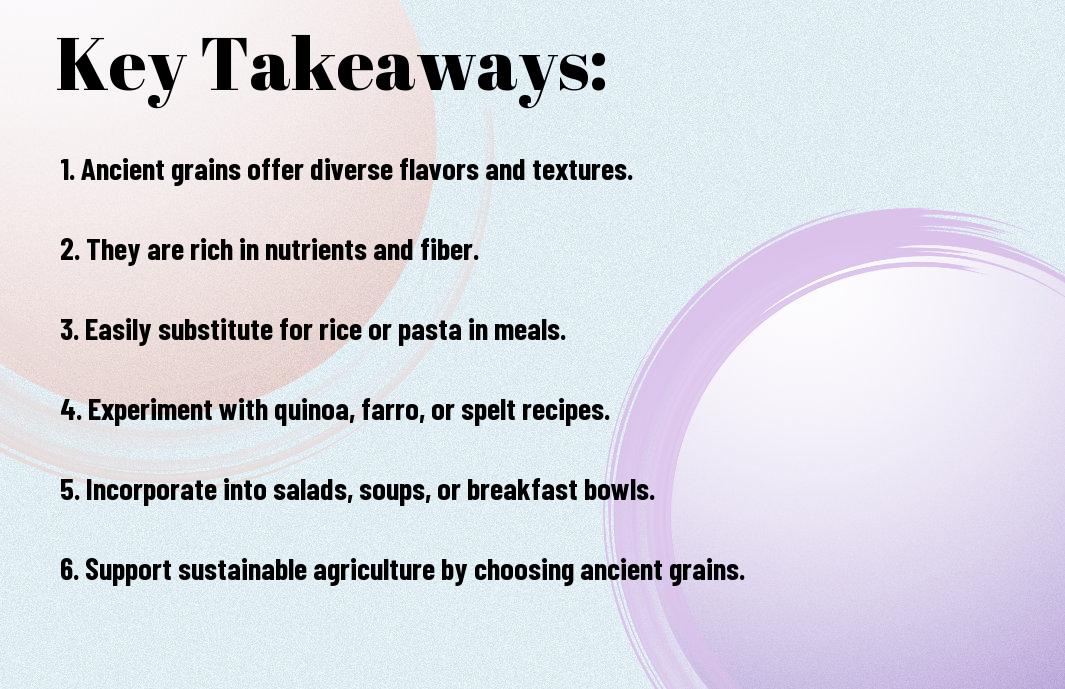
- Diverse Nutritional Benefits: Ancient grains are often rich in protein, fiber, and various vitamins and minerals, providing a nutritious alternative to modern grains.
- Versatile Cooking Options: Incorporating ancient grains into meals can enhance flavors and textures; they can be used in salads, soups, and as side dishes.
- Support for Biodiversity: Choosing ancient grains helps promote agricultural diversity and supports sustainable farming practices.
Understanding Ancient Grains
While many people view grains simply as staple foods, ancient grains hold a special place in history and nutrition. These grains, which have been cultivated for thousands of years, include varieties like quinoa, farro, and barley. Their unique characteristics and versatility make them an excellent option to enrich your diet, providing a wholesome alternative to more commonly consumed grains.
Definition and History
With their roots tracing back to ancient civilizations, ancient grains are non-hybridized varieties that have remained largely unchanged over the centuries. Foods like millet, spelt, and amaranth have been staples in various cultures, revered for their flavor and nutritional value. As the demand for healthier food options grows, these grains are making a comeback, highlighting their timeless appeal.
Nutritional Benefits
Ancient grains may offer your diet a host of nutritional benefits that conventional grains often lack. These grains are typically rich in fiber, protein, vitamins, and minerals, making them more nutritious overall.
Even a small portion of ancient grains can significantly enhance your nutritional intake. They generally contain higher amounts of protein and fiber than refined grains, helping to keep you full and satisfied longer. Additionally, they are often gluten-free or have lower gluten levels, making them suitable for various dietary needs. Their rich nutrient profile supports heart health, digestive health, and may even aid in maintaining stable blood sugar levels, allowing you to nourish your body effectively.
Popular Ancient Grains
There’s a growing enthusiasm for ancient grains, as they offer a nutritious alternative to common grains like wheat and rice. These grains have stood the test of time, providing unique flavors and health benefits. From protein-packed options to gluten-free varieties, incorporating them into your meals can enhance not only the taste but also the nutritional value of your diet.
Quinoa
With its nutty flavor and fluffy texture, quinoa has become a staple in many kitchens. This gluten-free grain is a complete protein, meaning it contains all nine vital amino acids, making it an ideal choice for vegetarians and vegans. You can easily incorporate quinoa into salads, bowls, or as a side dish to elevate your meals.
Farro
Behind its rustic charm, farro is an ancient grain rich in fiber, vitamins, and minerals. Known for its chewy texture and nutty flavor, farro is an excellent option for hearty salads, soups, or as a side. You can also use it in place of rice or pasta for a more nutritious alternative.
To cook farro, start by rinsing it under cold water, then boil it in a pot with salted water. Simmer until it’s tender, about 25-30 minutes, depending on whether you use pearled, semi-pearled, or whole grain farro. Not only does farro add a satisfying chew, but it also packs a powerful nutritional punch, helping you feel fuller for longer.
Spelt
Against the backdrop of gluten-related dietary needs, spelt presents an intriguing option. This ancient grain is often easier to digest than modern wheat due to its higher solubility. You can use spelt in flour form for baking or enjoy it whole as a side dish to diversify your grain intake.
Popular for its nutty flavor and high nutritional content, spelt is rich in fiber, protein, and a range of vitamins and minerals. It’s an excellent choice for bread-making, providing a unique taste that distinguishes your baked goods from regular wheat. Just a small substitution in your recipes can lead to more nutrient-rich meals.
Millet
Quinoa isn’t the only gluten-free gem in the ancient grain category; millet offers similar health benefits. This small seed is packed with protein, fiber, and vital minerals like magnesium. Enjoy millet as a breakfast porridge, or add it to salads and casseroles for a crunchy texture.
Indeed, millet is incredibly versatile, lending itself to both sweet and savory dishes. This slightly sweet, mild grain can be cooked and combined with vegetables and herbs for a delicious pilaf or used to make fluffy, nutritious patties. With its low glycemic index, millet can also help maintain stable blood sugar levels, making it a fantastic choice for everyone seeking a balanced diet.
Health Benefits of Ancient Grains
Not only are ancient grains a nutritious addition to your diet, they also offer numerous health benefits that promote overall well-being. When you incorporate them into your meals, you can enjoy enhancements in digestion, heart health, and more. For more insights on the advantages of these grains, check out Enjoying Ancient Grains.
Digestive Health
Below, you’ll find that ancient grains are rich in dietary fiber which is important for maintaining a healthy digestive system. Higher fiber intake helps promote regularity, supports gut health, and can assist in preventing digestive disorders. Including grains like quinoa, farro, and barley in your diet can positively impact your digestive process.
Heart Health
Below, ancient grains like oats, quinoa, and brown rice are known for their ability to support heart health. These grains are often high in fiber, antioxidants, and important nutrients, which help lower bad cholesterol levels and reduce the risk of heart disease. Incorporating these foods into your meals can make a notable difference in your cardiovascular well-being.
With their impressive nutrient profiles, ancient grains can actively reduce inflammation and improve heart function. The combination of heart-healthy fats, vitamins, and minerals further supports your overall cardiovascular health, keeping your heart in optimal condition.
Gluten-Free Options
Before you dismiss ancient grains due to gluten concerns, it’s important to know that many ancient grains are naturally gluten-free. This makes them an excellent alternative for those with gluten sensitivities or celiac disease.
For instance, quinoa, millet, and amaranth are fantastic gluten-free choices that provide important amino acids, vitamins, and minerals. By exploring these ancient grains, you can expand your dietary options while still enjoying the rich flavors and nutritional benefits they offer.
Incorporating Ancient Grains into Your Meals
Unlike modern grains that dominate many diets, ancient grains offer unique flavors and textures that can elevate your meals. By integrating quinoa, farro, barley, and spelt into your dishes, you enhance not only the nutritional profile but also the culinary experience. Experiment with these grains in salads, soups, or as a base for your favorite proteins to discover a new world of taste and health benefits.
Cooking Techniques
On your journey to incorporate ancient grains, familiarize yourself with various cooking techniques that bring out their best qualities. Most ancient grains require rinsing before cooking to remove any bitterness, followed by boiling or simmering until they reach the desired texture. Using vegetable or chicken broth instead of water can enhance their flavor profile, while soaking them overnight may reduce cooking time and improve digestibility.
Recipe Ideas
Ancient grains can be the star of countless dishes, from hearty salads to savory sides. Consider using quinoa in a refreshing tabbouleh or farro in a warm grain bowl topped with roasted vegetables. You can also try barley in soups or spelt in homemade bread for added nutrition.
To inspire your culinary adventures, explore a few simple recipes that highlight the versatility of ancient grains. Create a vibrant quinoa and black bean salad with diced peppers, corn, and a citrus dressing for a refreshing lunch. For dinner, consider a farro risotto with mushrooms and asparagus, allowing the grains to absorb rich flavors. You can also bake spelt berry muffins or make a hearty barley soup packed with seasonal vegetables. With these ideas, you can easily incorporate ancient grains into your daily meals for a delicious and nutritious boost.
Shopping for Ancient Grains
All ancient grains are becoming increasingly popular, making them easier to find in various places. From health food stores to online retailers, you have many options when incorporating these nutritious grains into your diet. Be sure to look for organic options when possible, as they are less likely to contain preservatives or additives that could affect quality.
Where to Find Them
Find ancient grains at local farmers’ markets, health food stores, or specialty grocery stores. Online retailers also offer a wide selection, making it easy to explore various grains like quinoa, farro, or spelt. Make sure to check the brands and their sourcing practices to ensure you’re getting quality products.
Storage Tips
Them storing ancient grains properly ensures freshness and quality. Keep your grains in airtight containers in a cool, dark place, such as your pantry or refrigerator. Consider the following tips for optimal storage:
- Use glass or BPA-free plastic containers to maintain freshness.
- Avoid exposure to moisture to prevent spoilage or mold development.
- Label your containers with purchase dates to track freshness.
Recognizing the signs of spoilage, such as off-smells or unusual textures, will help you avoid using stale grains, ensuring your meals remain delicious.
Where you store your ancient grains matters more than you might think. If you purchase in bulk, consider portioning them into smaller containers to minimize exposure to air and moisture. Refrigeration can extend the shelf life of grains like brown rice or quinoa, while whole grains generally last longer when kept sealed. Consult the guidelines for specific types of grains for best practices.
- Keep your grains away from direct sunlight to maintain their nutritional integrity.
- Consider freezing grains that you do not plan to use within a few weeks.
- Regularly check your stored grains for any signs of pests or spoilage.
Recognizing these aspects of grain storage can enhance your culinary experience and support healthier eating habits.
Common Myths About Ancient Grains
Despite the growing popularity of ancient grains, several myths persist that may discourage you from incorporating them into your diet. These grains are often mistakenly viewed as difficult to cook, gluten-rich, or lacking in nutritional value. By addressing these myths, you can better understand the benefits of ancient grains and how they can enhance your meals.
Misconceptions Addressed
Across various cultures and cuisines, ancient grains have been misrepresented. Many people believe that grains like quinoa, farro, and spelt are outdated or not relevant for modern diets. In reality, they offer new flavors, textures, and nutritional benefits. By dispelling these misconceptions, you can embrace the versatility of ancient grains in your everyday cooking.
Clarifying Nutritional Facts
Addressed directly, the nutritional benefits of ancient grains are abundant and often richer than those of refined grains. They are packed with fiber, crucial vitamins, and minerals that can contribute positively to your health. Understanding these facts allows you to make informed choices that align with your dietary needs.
Also, ancient grains like quinoa and millet carry higher protein content compared to traditional staples. They’re rich in antioxidants and can help regulate blood sugar levels, making them excellent options for a balanced diet. By integrating these grains, you not only diversify your meals but also enhance your overall nutritional profile, promoting better health in the long run.
Summing up
Ultimately, incorporating ancient grains into your diet can enhance your overall health and well-being. These nutrient-rich foods offer a variety of flavors and textures, making it easy to diversify your meals. By exploring options like quinoa, farro, and amaranth, you can enjoy their benefits while also supporting sustainable agriculture. Start gradually adding them to your favorite dishes and watch as your culinary experience expands. Embrace these wholesome grains to nourish your body and boost your nutritional profile.
Q: What are ancient grains and what benefits do they offer?
A: Ancient grains are seeds from plants that have been cultivated for thousands of years. Examples include quinoa, farro, spelt, amaranth, and teff. These grains are often rich in fiber, protein, vitamins, and minerals compared to more commonly consumed grains. Incorporating ancient grains into your diet can help improve digestion, enhance gut health, and provide sustained energy levels. They also tend to have a lower glycemic index, making them a better choice for maintaining stable blood sugar levels.
Q: How can I incorporate ancient grains into my daily meals?
A: There are many simple ways to incorporate ancient grains into your meals. You can start by using them as a base for salads, replacing rice or traditional pasta with quinoa or farro. Adding cooked ancient grains to soups or stews can boost their heartiness and nutritional content. Ancient grains can also be used in baking; for instance, you can substitute a portion of regular flour with spelt or buckwheat flour in your recipes. Breakfast options like porridge made from amaranth or millet can be a wholesome choice as well.
Q: Are ancient grains suitable for people with dietary restrictions?
A: Yes, many ancient grains are suitable for various dietary restrictions, but it’s important to note that some can contain gluten. For individuals with gluten sensitivity or celiac disease, grains such as quinoa, amaranth, and millet are excellent gluten-free options. Always check packaging to ensure they are certified gluten-free, especially if cross-contamination is a concern. Additionally, those following a plant-based diet can benefit from the high protein content found in many ancient grains, making them a versatile addition to vegetarian and vegan meals.