Wellness starts with understanding how to nourish your body during times of illness. When you’re feeling unwell, the right foods can play a significant role in your recovery. This guide will provide you with insights on what to eat to support your immune system, alleviate symptoms, and help you get back to feeling your best. From soothing broths to nutrient-packed fruits, discover how to choose the right meals that will aid your healing process and keep you comfortable as you recuperate.
Key Takeaways:
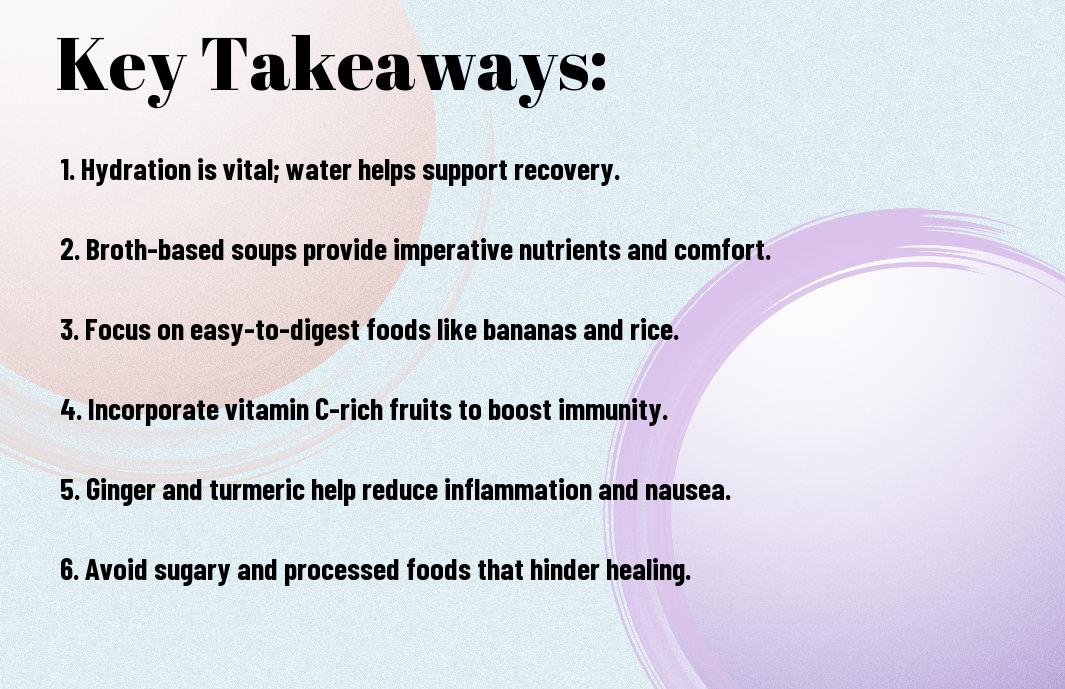
- Hydration: Staying well-hydrated is vital; drink plenty of water, herbal teas, and broths to help maintain fluid levels and support recovery.
- Nutrient-Dense Foods: Focus on consuming nutrient-rich foods like fruits, vegetables, lean proteins, and whole grains to provide your body with needed vitamins and minerals.
- Easy-to-Digest Options: Opt for gentle on the stomach foods, such as bananas, rice, applesauce, and toast, especially if experiencing nausea or digestive issues.
Understanding Common Illnesses
While various illnesses can affect your well-being, understanding their nature can help you make better nutritional choices during recovery. Different ailments, such as colds, flu, and stomach viruses, each require specific attention to your diet to support healing. Knowing what your body needs while fighting off these infections enables you to recover faster and feel more comfortable.
Cold and Flu
Common colds and flu are viral infections that can leave you feeling weak and fatigued. During this time, it’s important to consume a diet rich in vitamins, minerals, and fluids to support your immune system. Foods high in vitamin C, such as citrus fruits and leafy greens, can help enhance immune function while staying hydrated will keep your throat moist and ease congestion.
Stomach Viruses
Along with respiratory infections, stomach viruses are another prevalent illness that can disrupt your daily life. These infections often lead to nausea, vomiting, and diarrhea, making it necessary to focus on hydration and gentle foods to soothe your digestive system.
Another important aspect of managing stomach viruses is to replenish lost fluids and electrolytes. Clear broths, herbal teas, and electrolyte drinks can be beneficial. You should also introduce bland foods like toast, rice, and bananas gradually, allowing your stomach to settle. Avoid greasy or spicy foods until you’re fully recovered, as they can further irritate your stomach.
Nutritional Needs When Sick
The nutritional needs of your body shift when you are sick. It’s important to focus on foods that can support your immune system and promote healing. This may include consuming plenty of vitamins and minerals through fruits, vegetables, and whole grains. For insights on what professionals eat during illness, check out this article on What Do Dietitians Eat When They Are Sick?
Importance of Hydration
Nutritional hydration is necessary when you are sick as it helps maintain your body’s balance of fluids. Staying hydrated can alleviate symptoms like congestion and sore throat, while also aiding digestion and nutrient absorption. Drinking water, herbal teas, and broths can effectively replenish your fluids and provide comfort.
Key Nutrients to Support Recovery
Below are necessary nutrients that can assist in your recovery during illness. Incorporating vitamin C, zinc, and protein-rich foods will help strengthen your immune response and promote healing.
A balanced intake of vitamin C from sources like citrus fruits and broccoli can bolster your immune system, while zinc found in legumes and seeds facilitates healing. Protein is vital for tissue repair, so consider lean meats, legumes, and dairy products in your meals. These nutrients, along with a variety of other vitamins and minerals, can significantly enhance your recovery process.
Foods to Eat
All the right foods can help you feel better faster. When you’re under the weather, focus on nourishing your body with easily digestible meals that provide crucial nutrients. Incorporating a variety of comforting soups, broths, and light fare can aid in your recovery and keep your energy levels stable as your body fights off illness.
Comforting Soups and Broths
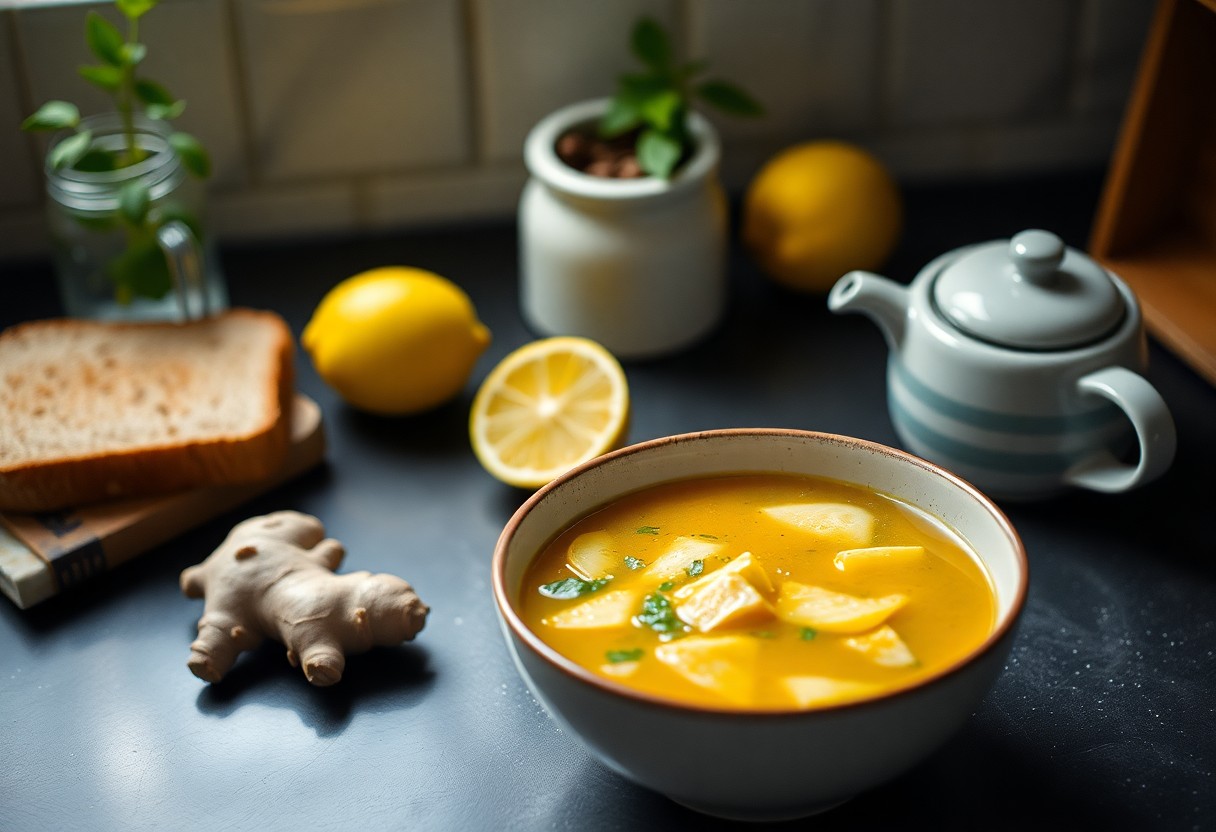
At the heart of any recovery diet are soothing soups and broths. These warm liquids are not only easy on your stomach but also packed with vitamins and minerals. Chicken soup, for example, can help reduce inflammation and hydrate you, while vegetable broths provide antioxidants to bolster your immune system.
Easy-to-Digest Foods
Against the backdrop of your illness, choosing easy-to-digest foods allows you to nourish your body without overwhelming your digestive system. These options include items like toast, rice, bananas, and applesauce, which can provide crucial nutrients while being gentle on your stomach.
Comforting foods can play a significant role in your recovery. They provide your body with energy and crucial nutrients while being gentle on your digestive system. Foods like oatmeal, soft fruits, and cooked vegetables allow you to consume necessary nutrients without causing further discomfort, helping your body to heal effectively. You’ll find maintaining this approach will leave you feeling more energized and ready to tackle your recovery.
Foods to Avoid
Keep in mind that when you’re feeling under the weather, certain foods can exacerbate your symptoms. Steering clear of heavy, greasy, sugary, and overly processed options helps your body focus on healing rather than struggling to digest these less nutritious choices. Instead, opt for lighter, nutrient-dense foods that support your recovery.
Heavy and Greasy Foods
Avoid heavy and greasy foods, such as fried items and rich sauces. These can lead to digestive discomfort and may worsen nausea or upset stomach, making you feel worse instead of better. Your body needs easily digestible options that provide necessary nutrients for recovery.
Sugary and Processed Foods
Processed foods, especially those high in sugar, can contribute to inflammation and weaken your immune system. Instead of providing your body with the nourishment it needs, these foods can lead to energy crashes and prolonged recovery times.
Considering that sugary and processed foods offer little to no nutritional value, they can hinder your healing process. Your body requires vitamins, minerals, and antioxidants to fight off illness effectively. Opting for whole, unprocessed foods rich in nutrients, like fruits, vegetables, and whole grains, will support your body in recovery instead of overwhelming it with excess sugars and harmful additives.
Herbal Remedies and Supplements
Once again, incorporating herbal remedies and supplements into your diet can provide relief when you’re feeling under the weather. These natural options often possess anti-inflammatory and antibacterial properties, which can help bolster your immune system. However, it’s crucial to consider your personal health conditions and any medications you may be taking to avoid adverse interactions. Always consult with a healthcare provider before introducing new supplements into your routine for the best results.
Beneficial Herbs
For a natural approach to recovery, you may want to explore beneficial herbs like ginger, garlic, and echinacea. Ginger can soothe nausea and reduce inflammation, while garlic is known for its immune-boosting properties. Echinacea may help in reducing the duration of colds and flu symptoms, making these herbs a valuable addition to your wellness arsenal.
Vitamins and Minerals
Around the time you’re feeling sick, ensuring you have sufficient levels of vitamins and minerals can significantly impact your recovery process. Nutrients like vitamin C, zinc, and vitamin D play a vital role in supporting your immune function. Foods rich in these vitamins, such as citrus fruits for vitamin C and nuts or seeds for zinc, can help propel you toward improved health.
The combination of vitamins and minerals creates a synergistic effect that can enhance your body’s ability to fight off illness. Vitamin C helps stimulate the production of white blood cells, which are crucial for immune defense. Zinc is crucial for cell division and helps decrease the duration of colds. Vitamin D, often obtained from sunlight, is linked to increased resistance against respiratory infections. Incorporating foods or supplements rich in these nutrients can facilitate a quicker recovery and strengthen your overall health.
Meal Planning Tips
Many people find it challenging to eat well when they’re unwell. Here are some meal planning tips to help you stay nourished during your recovery:
- Prioritize simple, nutritious meals that are easy to digest.
- Stock up on staple ingredients like broth, rice, and easy-to-cook vegetables.
- Plan for smaller, more frequent meals to boost your energy without overwhelming your system.
- Consider pre-preparing meals when you’re feeling better so you have options ready to go.
Any effort you put into meal planning will pay off when you’re feeling under the weather.
Preparing for Illness
Preparing for illness means building a well-stocked pantry and fridge with healthy imperatives. Ensure you have nutrient-dense options like whole grains, lean proteins, fresh fruits, and vegetables readily available. Consider organizing a grocery list with items that are easy to prepare when you need them the most.
Quick and Easy Recipes
To simplify your meals while feeling sick, turn to quick and easy recipes that require minimal effort to prepare. Look for meals that can be made in under 30 minutes or require just a few ingredients.
Due to the limited energy you may have when you’re unwell, recipes like broths, smoothies, or one-pot meals can be incredibly beneficial. For instance, a soothing chicken soup made from a rotisserie chicken, vegetables, and broth can be both comforting and nutritious. Having a few go-to recipes can help you maintain your nutrition while you recover.
Summing up
Considering all points, when you’re sick, your body requires nourishment that can aid in recovery. Focus on consuming easily digestible foods like broth, bananas, and oatmeal, which provide energy without overwhelming your system. Incorporate fruits and vegetables rich in vitamins to boost your immune response. Staying hydrated is equally important, so drink plenty of fluids such as water, herbal teas, or electrolyte solutions. By choosing the right foods, you enhance your healing process and support your body’s natural defenses, ensuring a smoother recovery journey.
Q: What foods are best to eat when I have a cold or flu?
A: When you’re battling a cold or flu, it’s beneficial to focus on nutrient-dense foods that can help boost your immune system and provide comfort. Some great options include:
- Broths and Soups: Chicken soup has anti-inflammatory properties and can help clear nasal congestion.
- Fruits and Vegetables: Citrus fruits, berries, and leafy greens are high in vitamins C and A, which support immune function.
- Ginger and Garlic: Both have antiviral and antibacterial properties that can help in fighting germs.
- Whole Grains: Foods like oatmeal can provide energy and are gentle on the stomach.
Staying hydrated is also important, so consider fluids like herbal teas, water, and electrolyte-rich drinks.
Q: Are there specific foods to avoid when I’m feeling unwell?
A: Yes, certain foods may exacerbate symptoms or hinder recovery when you’re unwell. It’s advisable to limit or avoid:
- Processed foods: These items often contain high levels of sugars and additives, which can weaken the immune system.
- Fried or greasy foods: These can be harder to digest and may lead to an upset stomach.
- Diary products: Some people may find that dairy can increase mucus production, making congestion worse.
- Alcohol and caffeine: Both can lead to dehydration and may interfere with sleep, which is vital for recovery.
Q: How can hydration play a role in recovery when I’m sick?
A: Staying hydrated is fundamental when you’re sick, as it helps your body function properly and recover more efficiently. Here’s how hydration can aid your recovery:
- Flushing out toxins: Adequate fluid intake can help eliminate waste products and toxins from your body.
- Relieving congestion: Staying hydrated keeps mucous membranes moist and can help in easing congestion and sore throats.
- Promoting digestion: Hydration supports healthy digestion, which can be beneficial if you’re consuming more nutritious, high-fiber foods.
- Maintaining body temperature: When you’re sick, your body may have a higher temperature, and hydration helps regulate this.
Fluid sources include water, herbal teas, broths, and electrolyte drinks, which can keep you hydrated and support overall health during illness.