There’s a growing awareness of the importance of sustainable eating patterns in promoting both health and environmental wellbeing. To create a sustainable diet plan, you need to consider not only the nutritional value of your meals but also their impact on the planet. This guide will help you make informed choices that benefit your body while reducing your ecological footprint, ensuring that your eating habits contribute positively to your health and the world around you.
Key Takeaways:
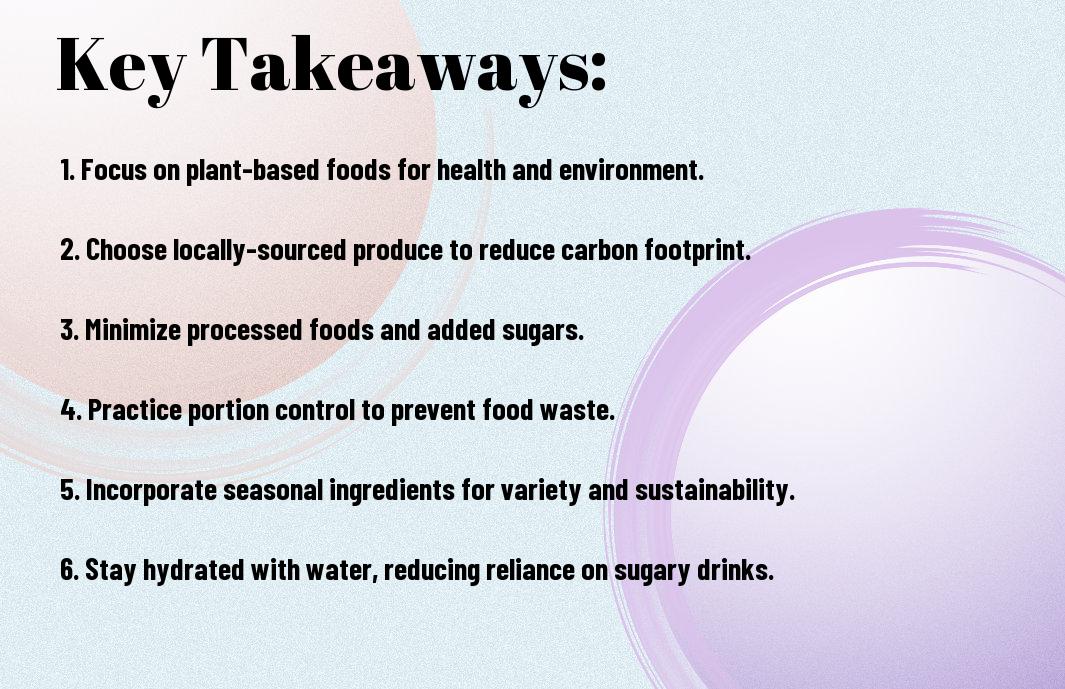
- Balance your plate by incorporating a variety of foods, including fruits, vegetables, whole grains, and proteins to ensure you receive all necessary nutrients.
- Local and seasonal foods reduce carbon footprints and support local farmers, making your diet more sustainable.
- Plant-based meals can significantly lower environmental impact; aim to include more plant-based options in your diet.
- Minimize waste by planning meals and utilizing leftovers, which also helps you save money and resources.
- Mindful eating encourages awareness of food choices and their impacts, promoting sustainability in your dietary habits.
Understanding Sustainable Diets
A sustainable diet focuses on food choices that promote health while being environmentally friendly and socially equitable. This approach encompasses a variety of factors, including food production methods, resource management, and reducing waste. By opting for sustainable diets, you contribute to the health of the planet and its inhabitants, ensuring that future generations can enjoy a rich variety of foods.
Defining Sustainability in Nutrition
An understanding of sustainability in nutrition means recognizing how your food choices affect the planet. This involves selecting ingredients that are nutrient-dense, locally sourced, and produced in ways that minimize environmental impact. By embracing these principles, you can foster an awareness of how your diet contributes to both personal health and ecological balance.
Benefits of a Sustainable Diet
After adopting a sustainable diet, you may experience numerous benefits, including improved health outcomes and a reduced environmental footprint. This type of diet encourages a variety of whole foods, which can enhance your nutrient intake and overall well-being. Additionally, by choosing sustainable options, you’re supporting local economies and promoting ethical farming practices.
Nutrition plays a key role in your overall health, and a sustainable diet enhances this aspect by prioritizing whole, minimally processed foods. As you incorporate more plant-based options and seasonal produce, you can reap the benefits of increased vitamins, minerals, and antioxidants. Moreover, choosing sustainable meals can lead to better digestion, increased energy levels, and even a positive impact on your mood, making it a holistic approach to wellness.
Key Principles of a Sustainable Diet Plan
There’s a growing recognition of the importance of a sustainable diet plan that prioritizes not only your health but the health of our planet. By focusing on principles like local sourcing, plant-based eating, and responsible consumption, you can create a mindful eating approach that supports environmental stewardship while boosting your well-being. Aligning your dietary choices with these principles allows you to contribute to sustainable food systems and make a positive impact on the world around you.
Local and Seasonal Foods
One effective way to embrace a sustainable diet is by selecting local and seasonal foods. By sourcing your ingredients from local farmers or markets, you reduce the carbon footprint associated with transportation and support your local economy. Seasonal produce is not only fresher and tastier but often more nutrient-dense, allowing you to enjoy diverse flavors while maintaining a lower environmental impact.
Plant-Based Focus
Between the variety of diets available, a plant-based focus emerges as a key element for sustainability. Incorporating more whole foods, such as fruits, vegetables, legumes, and grains, allows you to minimize your ecological footprint while also promoting better health. By prioritizing plants over animal-based products, you can reduce greenhouse gas emissions and conserve water resources, all while enjoying flavorful and satisfying meals.
Hence, adopting a plant-based focus can align your dietary choices with sustainable practices. This doesn’t mean eliminating animal products entirely, but rather emphasizing plant-based options as the foundation of your meals. By diversifying your protein sources, such as incorporating beans, lentils, and nuts, you can create balanced meals that nourish your body and the planet. This shift not only supports sustainable agriculture but also encourages a more varied and interesting diet, making your eating experience more fulfilling.
Building Your Sustainable Diet Plan
Once again, creating a sustainable diet plan requires a thoughtful approach tailored to your individual needs and lifestyle. Start by incorporating a variety of plant-based foods, lean proteins, whole grains, and healthy fats while also being mindful of seasonal produce. This ensures that your meals are balanced, nutritionally rich, and reflect the best options available in your environment. Adapting your plan over time allows for flexibility, keeping you motivated and engaged with your dietary choices.
Assessing Dietary Needs
After evaluating your current eating habits, take the time to assess your dietary needs based on your health goals, physical activity levels, and any medical conditions. You may want to consult a healthcare professional or nutritionist to help you identify specific nutrient requirements, ensuring your sustainable diet plan supports your overall well-being while aligning with your values.
Planning Balanced Meals
Besides focusing on what to include in your diet, it’s vital to plan balanced meals that provide adequate energy and nutrients. Aim to fill half your plate with fruits and vegetables, a quarter with lean protein, and the remaining quarter with whole grains, helping you maintain a well-rounded and satisfying eating experience.
The key to planning balanced meals lies in variety and portion control. Incorporate different colors and types of vegetables to create appealing meals, while alternating between various sources of protein—such as legumes, fish, and poultry—to maintain interest and nutritional diversity. Whole grains like quinoa, brown rice, and barley serve as excellent foundations for your meals, and don’t forget to add healthy fats such as avocados or nuts for added flavor and satisfaction. By following these guidelines, you can craft delicious, balanced meals that support your sustainable diet journey.
Cooking Techniques for Sustainability
After selecting sustainable ingredients, it’s time to consider your cooking techniques. You can significantly reduce your environmental impact by adopting methods that use less energy and preserve nutrients. Techniques such as steaming, stir-frying, and baking can help retain the natural flavors in your food while requiring minimal resources. Moreover, utilizing local and seasonal ingredients supports local economies and decreases the carbon footprint associated with transporting food. By integrating these sustainable practices into your cooking habits, you can enjoy nutritious meals that are not only delicious but also environmentally friendly.
Minimizing Food Waste
Cooking with intention allows you to minimize food waste effectively. Begin by planning your meals and using leftover ingredients creatively, turning them into delicious new dishes. You can also repurpose vegetable scraps and bones into flavorful broths, ensuring you make the most of every bit. This not only helps you save money but also contributes to a more eco-friendly kitchen.
Sustainable Cooking Methods
Between exploring different cooking methods, it’s important to focus on those that prioritize sustainability. Techniques like pressure cooking and slow cooking are energy-efficient, reducing your overall energy usage while maximizing flavor. Opt for convection ovens or induction cooktops, which are more energy-efficient than traditional methods, and consider solar ovens for outdoor cooking whenever possible.
Another effective sustainable cooking method is batch cooking, where you prepare larger quantities of food at once. This approach not only saves energy but also allows for convenient meal planning throughout the week. Additionally, using tools like a food processor can streamline prep time and ensure you utilize every ingredient fully, further reducing waste. Embracing these methods will enhance your culinary skills while aligning with your sustainable diet goals.
Tips for Shopping Sustainably
Unlike conventional shopping habits, sustainable shopping requires mindfulness and intentional choices. Prioritize the following tips to make a positive impact:
- Buy seasonal and local produce.
- Choose bulk items to reduce packaging waste.
- Support brands that embrace sustainable practices.
- Utilize reusable bags and containers.
Thou can make a significant difference with your purchases.
Choosing Eco-Friendly Products
Sustainably sourced products not only benefit the environment but also support ethical labor practices. Focus on organic, non-GMO foods that are grown without harmful chemicals. Select items with minimal packaging and opt for alternatives made from sustainable materials.
Reading Labels and Certifications
Against the backdrop of misleading marketing, it’s vital to understand labels and certifications. Take the time to familiarize yourself with reputable certifications that guarantee ethical and sustainable practices.
With an array of labels such as USDA Organic, Fair Trade, and Rainforest Alliance, you can confidently make informed choices. Always look for these certifications when shopping, as they provide assurance that the products align with your sustainability goals. Engaging with this information empowers you to select goods that contribute to a healthier planet and economy.
Overcoming Common Challenges
Despite your best intentions, creating a sustainable diet plan can present various challenges. From navigating conflicting information on nutrition to dealing with food accessibility, these obstacles can make it difficult to stick to your goals. By recognizing these issues and developing strategies to tackle them, you can set yourself up for success on your journey toward a more sustainable lifestyle.
Budgeting for Sustainable Eating
Before you initiate on your sustainable eating journey, it’s necessary to consider your budget. Eating sustainably doesn’t mean you have to spend a fortune; planning your meals, buying in bulk, and focusing on seasonal produce can significantly reduce costs. By being resourceful and strategic in your purchases, you can maintain a healthy diet while staying within your financial limits.
Staying Motivated
Below are a few strategies to help you stay motivated on your sustainable eating journey. Set realistic goals, celebrate small victories, and connect with communities that share your interest in sustainability. Regularly remind yourself of the benefits of a sustainable diet, not just for your health but for the planet as well.
Considering the ups and downs of your journey, it’s vital to keep your motivation alive. Create a vision board showcasing your goals, explore cooking classes for new recipes, or join social media groups dedicated to sustainable eating. Engaging with others who share your commitment can inspire and invigorate your resolve. Regularly revisiting your motivation can transform your journey into one of empowerment and enjoyment.
To wrap up
Conclusively, creating a sustainable diet plan involves mindful choices that prioritize local, seasonal foods while balancing your nutritional needs. Evaluate your current eating habits and identify areas for improvement, such as reducing meat consumption or incorporating more plant-based options. Meal prepping and learning to cook can significantly reduce waste and support your dietary goals. By consistently applying these principles, you’ll cultivate a diet that not only benefits your health but also contributes positively to the environment. Embrace these strategies to achieve a more sustainable lifestyle that reflects your values.
Q: What are the crucials of a sustainable diet plan?
A: A sustainable diet plan should prioritize whole, minimally processed foods that have a lower environmental impact. Focus on plant-based options such as fruits, vegetables, legumes, nuts, and whole grains. Incorporating seasonal and locally sourced ingredients can further enhance sustainability. Additionally, consider reducing meat and dairy consumption, as these typically have higher carbon footprints, and look for alternatives such as plant-based proteins. Keeping portion sizes in check and minimizing food waste is also key to a sustainable diet.
Q: How can I make my diet budget-friendly while ensuring sustainability?
A: Creating a budget-friendly sustainable diet involves planning your meals, buying in bulk, and prioritizing seasonal produce. Start by designing weekly meal plans that incorporate ingredients you already have to minimize excess. Visit local farmers’ markets for affordable, fresh produce or consider joining a community-supported agriculture (CSA) program for cost-effective options. Purchasing dried beans and grains in bulk can save money over time, and trying out meatless meals a few days a week can reduce overall grocery spending while keeping meals sustainable.
Q: What role does meal prepping play in maintaining a sustainable diet?
A: Meal prepping is an effective strategy for ensuring a sustainable diet, as it encourages planning and reduces impulsive food choices. By preparing meals in advance, you can use seasonal and local ingredients, minimize food waste, and ensure balanced nutritional intake. For example, batch-cooking grains and roasting vegetables can create versatile bases for various meals throughout the week. Knowing what you have ready on hand also helps avoid the temptation of takeout or processed foods, keeping your diet aligned with sustainable practices.