Most people experience anxiety and stress at some point in their lives, but did you know that certain foods can play a significant role in alleviating these feelings? By incorporating specific nutrient-rich foods into your diet, you can support your mental health and promote a sense of calm. In this post, we will explore various foods that can help reduce anxiety and stress, providing you with practical tips to create a more balanced and less stressful lifestyle through your dietary choices.
Key Takeaways:
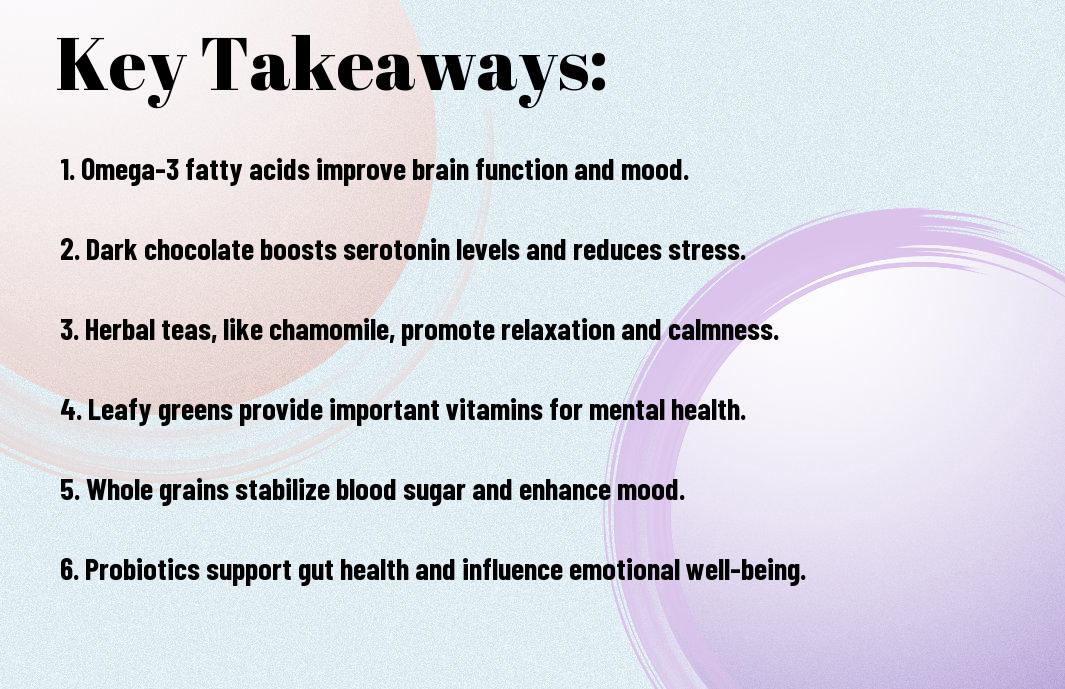
- Omega-3 Fatty Acids: Found in fish like salmon and walnuts, these acids are known to support brain health and reduce anxiety levels.
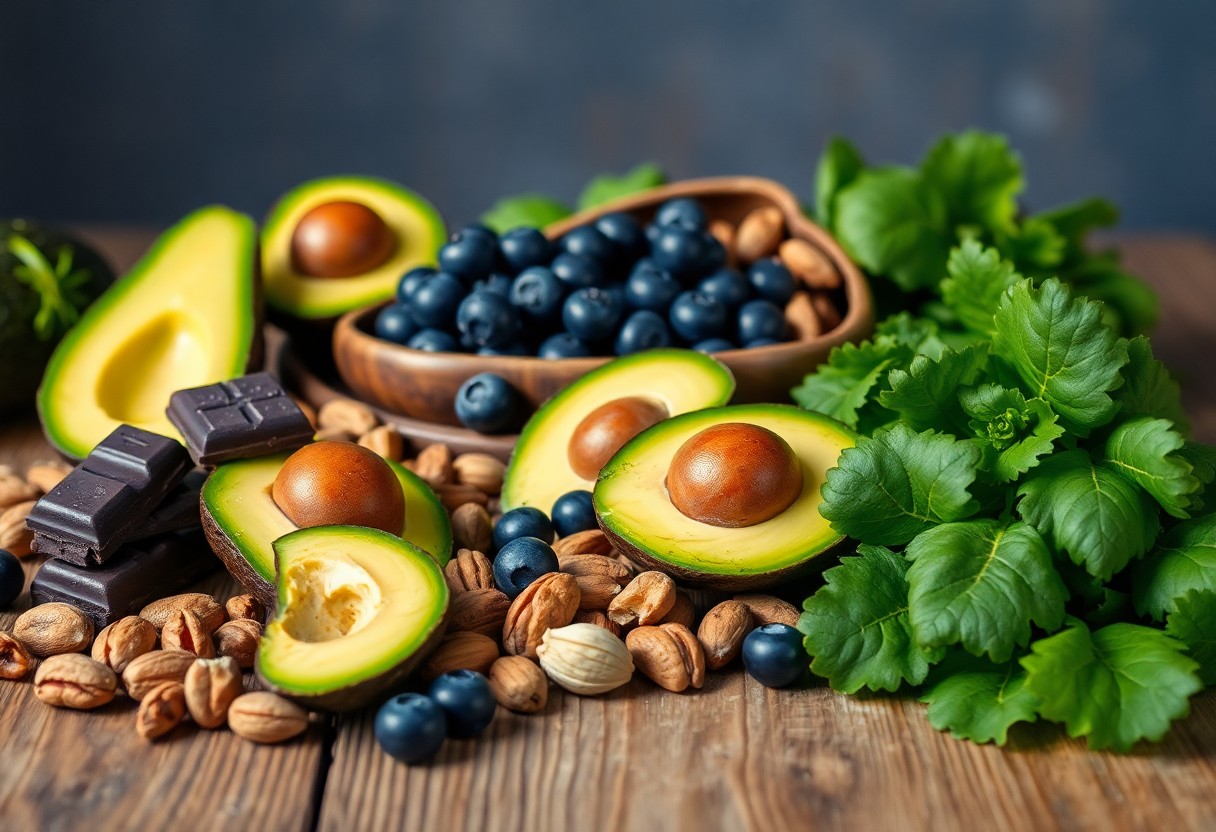
- Antioxidants: Foods rich in antioxidants, such as berries and dark chocolate, help combat oxidative stress, promoting a calmer state of mind.
- Complex Carbohydrates: Whole grains and legumes can boost serotonin production, aiding in mood improvement and reducing feelings of stress.
- Magnesium: Green leafy vegetables, nuts, and seeds are excellent sources of magnesium, which plays a key role in managing anxiety and stress.
- Probiotics: Fermented foods like yogurt and kimchi are beneficial for gut health, which is increasingly linked to mental well-being and stress reduction.
The Science Behind Nutrition and Mental Health
Your diet plays a significant role in your mental health, influencing levels of anxiety and stress. Research shows that certain nutrients can enhance brain function and emotional well-being by affecting neurotransmitter activity. By understanding the connection between nutrition and mental health, you can make informed choices to support your overall mood and resilience to stress.
Nutrients That Affect Mood
The key nutrients that can positively influence your mood include omega-3 fatty acids, B vitamins, magnesium, and amino acids. These nutrients help regulate neurotransmitters like serotonin and dopamine, which are crucial for maintaining emotional balance. Ensuring adequate intake of these nutrients can significantly contribute to feelings of calm and well-being.
The Gut-Brain Connection
Around 90% of the body’s serotonin is produced in the gut, highlighting the integral link between your digestive health and mental well-being. Your gut hosts billions of bacteria that play a role in producing neurotransmitters and regulating inflammation. A healthy gut microbiome can enhance your mood and reduce anxiety, illustrating the importance of nutrition in supporting both gut health and mental health.
Connection between your gut and brain is facilitated through a communication network known as the gut-brain axis. This connection means that disturbances in your gut health can lead to changes in mood and cognition. Dietary choices set the stage for a flourishing gut microbiome, which can enhance emotional resilience and overall mental health. Prioritizing gut-friendly foods like probiotics, prebiotics, and fiber-rich options will not only support digestion but also improve your emotional well-being.
Top Foods to Combat Anxiety
The foods you choose can significantly impact your mental well-being. Incorporating certain nutrients into your diet can help reduce feelings of anxiety and stress. For optimal results, focus on foods that promote brain health and help regulate mood. By making these changes to your daily meals, you can support both your physical and mental health.
Omega-3 Fatty Acids
Against the backdrop of rising stress levels, omega-3 fatty acids stand out as a powerful ally. These healthy fats, found in fish like salmon and sardines, as well as flaxseeds and walnuts, have been shown to improve brain function and mood, potentially reducing symptoms of anxiety. Including omega-3-rich foods in your diet can support emotional balance and promote overall well-being.
Leafy Greens and Vegetables
Along with omega-3s, incorporating a variety of leafy greens and colorful vegetables into your meals can help combat anxiety. These nutrient-dense foods are rich in antioxidants, vitamins, and minerals that support brain health and enhance mood. Cruciferous vegetables such as broccoli and Brussels sprouts, along with leafy greens like spinach and kale, are particularly beneficial.
Leafy greens provide imperative nutrients like magnesium and folate, both of which are known to help regulate serotonin levels in the brain. By consuming a variety of vegetables each day, you not only supply your body with vital vitamins but also support your overall mental health. Aim to fill your plate with a rainbow of colors to maximize your nutrient intake and foster a sense of well-being.
The Role of Antioxidants
To effectively manage anxiety and stress, incorporating antioxidant-rich foods into your diet can play a significant role. Antioxidants combat oxidative stress—an imbalance that can negatively affect your mental health. Foods high in antioxidants, such as fruits and vegetables, help reduce inflammation and improve brain function. For more insights on how specific foods can aid in anxiety reduction, check out 9 Foods That Help Reduce Anxiety.
Berries and Their Benefits
On a practical level, berries like blueberries, strawberries, and raspberries are not only delicious but also packed with antioxidants. These fruits are known for their ability to lower stress and anxiety levels due to their rich flavonoid content. Regularly incorporating berries into your diet can reinforce your body’s defense against oxidative stress and improve your overall mood.
Other Antioxidant-Rich Foods
Any variety of foods can enhance your antioxidant intake, contributing to better management of anxiety and stress. Nuts, dark chocolate, green tea, and artichokes are just a few examples of such nutrient-dense options that can support your mental health.
Also, consider adding some colorful vegetables like spinach, kale, and bell peppers to your meals; they offer a wealth of antioxidants that help mitigate stress. Whole grains such as quinoa and brown rice can also be beneficial, as they support your overall energy levels, which helps you cope better with anxiety. Incorporating these foods into your daily routine can significantly bolster your resilience against stressors.
Hydration and Mental Well-Being
After understanding the various foods that help combat anxiety and stress, it’s necessary to address hydration. Staying well-hydrated plays a significant role in maintaining your mental well-being. Dehydration can lead to fatigue, irritability, and diminished cognitive function, exacerbating feelings of anxiety. By ensuring you drink enough water throughout the day, you can support both your physical and mental health, setting a solid foundation for emotional stability.
The Importance of Water
Behind every feeling of fatigue or anxiety could be a simple lack of water. Water is vital for regulating body temperature, maintaining electrolyte balance, and promoting efficient brain function. When you’re well-hydrated, you bolster your body’s ability to cope with stress, making it easier to manage daily challenges. Adequate water intake contributes not only to your physical health but also enhances your mood, clarity, and overall cognitive performance.
Herbal Teas and Their Calming Effects
On your journey toward managing anxiety, herbal teas can be excellent allies. Infusions like chamomile, lavender, and peppermint have been known for their soothing properties. These herbal teas not only hydrate you but also contain compounds that may help relax your mind and body, which is necessary for reducing stress levels.
Mental health benefits from the ritual of sipping herbal tea as much as the tea itself. The warm, aromatic nature of these beverages can create a calming environment, providing you with a moment of peace in your day. Chamomile is known for its mild sedative effects, helping to ease tension and promote sleep, while lavender can reduce anxiety through its fragrant essence. Peppermint may help with focus, making it perfect for moments when stress clouds your mind. Incorporating herbal teas into your routine can enhance your coping strategies for anxiety and contribute to your overall relaxation.
The Impact of Processed Foods on Anxiety
Now, it’s imperative to recognize how processed foods can negatively affect your mental well-being. These foods often contain artificial ingredients, unhealthy fats, and high levels of sugar, which may lead to imbalances in your mood and heightened anxiety. Consuming processed foods can create a cycle of poor nutrition, leading to a decline in overall health that can exacerbate stress and anxiety levels. By making more mindful dietary choices, you can empower yourself to manage your anxiety effectively.
Sugar and Refined Carbs
Before you reach for that sugary snack, consider how sugar and refined carbohydrates can influence your mood. These foods may provide a quick boost in energy, but they often lead to crashes that can leave you feeling irritable and anxious. Instead of supporting stable energy levels, these foods can cause fluctuations that impact your emotional state. Opting for whole foods can provide the steady energy your body and mind need.
Caffeine and Alcohol Considerations
The consumption of caffeine and alcohol can also play a significant role in your anxiety levels. While caffeine can give you a temporary energy boost, it can increase feelings of nervousness and jitteriness. On the other hand, alcohol may seem to provide relaxation but can ultimately disrupt your sleep patterns and escalate anxiety. Balancing these substances and moderating your intake can be beneficial for maintaining a more stable mood.
Processed caffeine and alcohol can exacerbate anxiety symptoms by altering your mental state. Caffeine, when consumed in excess, can lead to increased heart rate and heightened stress response, making you feel more anxious. Alcohol might seem soothing initially, but it interferes with neurotransmitters associated with mood regulation and can lead to increased feelings of anxiety and depression once its effects wear off. By moderating your caffeine and alcohol intake, you support your mental wellness and foster a sense of calm.
Mindful Eating Practices
For those looking to reduce anxiety and stress, implementing mindful eating practices can be transformative. Engaging fully with your meals—observing the colors, textures, and flavors—can create a more calming experience. It encourages you to slow down, savor each bite, and appreciate the nourishment your food provides. This not only enhances your relationship with food but also aids in recognizing your body’s hunger and fullness cues, helping you make healthier choices.
The Importance of Meal Timing and Schedules
After establishing a consistent meal timing and schedule, you can significantly alleviate feelings of anxiety and stress. Eating at regular intervals allows your body to maintain stable blood sugar levels, which can prevent mood swings and irritability. By prioritizing your meal times and making them a sacred ritual, you can create a sense of routine and predictability that can be comforting in a fast-paced world.
Techniques for Mindful Eating
The act of mindful eating can be enhanced through various techniques designed to center your focus on the present moment. These methods often include fully engaging your senses, turning off screens during meals, and pausing between bites. This intentional approach can help you not only enjoy your meals more but also foster a deeper connection to your wellness journey.
Another effective technique includes practicing gratitude before your meals. Take a moment to consider the effort that went into preparing your food, from the farmers who grew it to the cooks who prepared it. Additionally, try to eat in a calm environment, free from distractions. This can involve sitting down at a table with a set place for your meal, thereby transforming eating into a more connected and peaceful experience that supports anxiety reduction.
To wrap up
On the whole, incorporating certain foods into your diet can significantly aid in managing anxiety and stress. By focusing on nutrient-rich options such as fatty fish, leafy greens, and whole grains, you can support your brain’s health and enhance your mood. Don’t overlook the importance of hydration and the calming effects of herbal teas. Integrating these foods into your meals not only promotes overall wellness but also empowers you to take proactive steps towards feeling calmer and more centered in your daily life.
Q: What types of foods can help alleviate symptoms of anxiety and stress?
A: Certain foods are known to have properties that can help reduce anxiety and stress levels. Foods rich in Omega-3 fatty acids, such as salmon, walnuts, and flaxseeds, are beneficial as they can improve brain function and mood. Additionally, whole grains like brown rice and oatmeal have complex carbohydrates that help the body produce serotonin, a chemical associated with relaxation. Leafy greens, such as spinach and kale, provide magnesium, which can have a calming effect on the body.
Q: How does hydration play a role in reducing anxiety and stress?
A: Staying hydrated is crucial for overall health and can significantly impact mood stability. Dehydration can lead to issues such as fatigue, irritability, and difficulty concentrating, which can exacerbate feelings of anxiety and stress. Drinking enough water throughout the day, along with herbal teas that contain calming ingredients like chamomile or peppermint, can help enhance relaxation and improve mental clarity. Aim to consume at least 8 cups of water daily, adjusting based on activity level and climate.
Q: Are there specific vitamins or minerals that help in managing anxiety and stress?
A: Yes, certain vitamins and minerals have been identified as supportive in managing anxiety and stress levels. For instance, Vitamin B-complex (including B6 and B12) plays a significant role in the production of neurotransmitters that regulate mood. Additionally, zinc and selenium are trace minerals linked to lower anxiety levels. Foods rich in these nutrients include eggs, lean meats, legumes, nuts, and seeds. Including a variety of these foods in your diet may contribute positively to your mental well-being.