It’s vital to understand how cholesterol affects your health and the role your diet plays in managing it. Cholesterol is a waxy substance that your body needs to build cells, but too much of it can lead to serious health issues, including heart disease. In this post, you will learn about the different types of cholesterol, how dietary choices impact your levels, and practical tips for creating a heart-healthy diet that benefits you.
Key Takeaways:
- Types of Cholesterol: There are two main types of cholesterol—LDL (low-density lipoprotein), often referred to as “bad” cholesterol, and HDL (high-density lipoprotein), known as “good” cholesterol. It’s important to maintain a healthy balance between the two.
- Dietary Impact: Consuming saturated fats and trans fats can raise LDL cholesterol levels. Opting for healthy fats, such as those found in avocados, nuts, and olive oil, can improve your cholesterol profile.
- Fiber-Rich Foods: Including soluble fiber in your diet, found in foods like oats, beans, and fruits, can help reduce LDL cholesterol and support overall heart health.

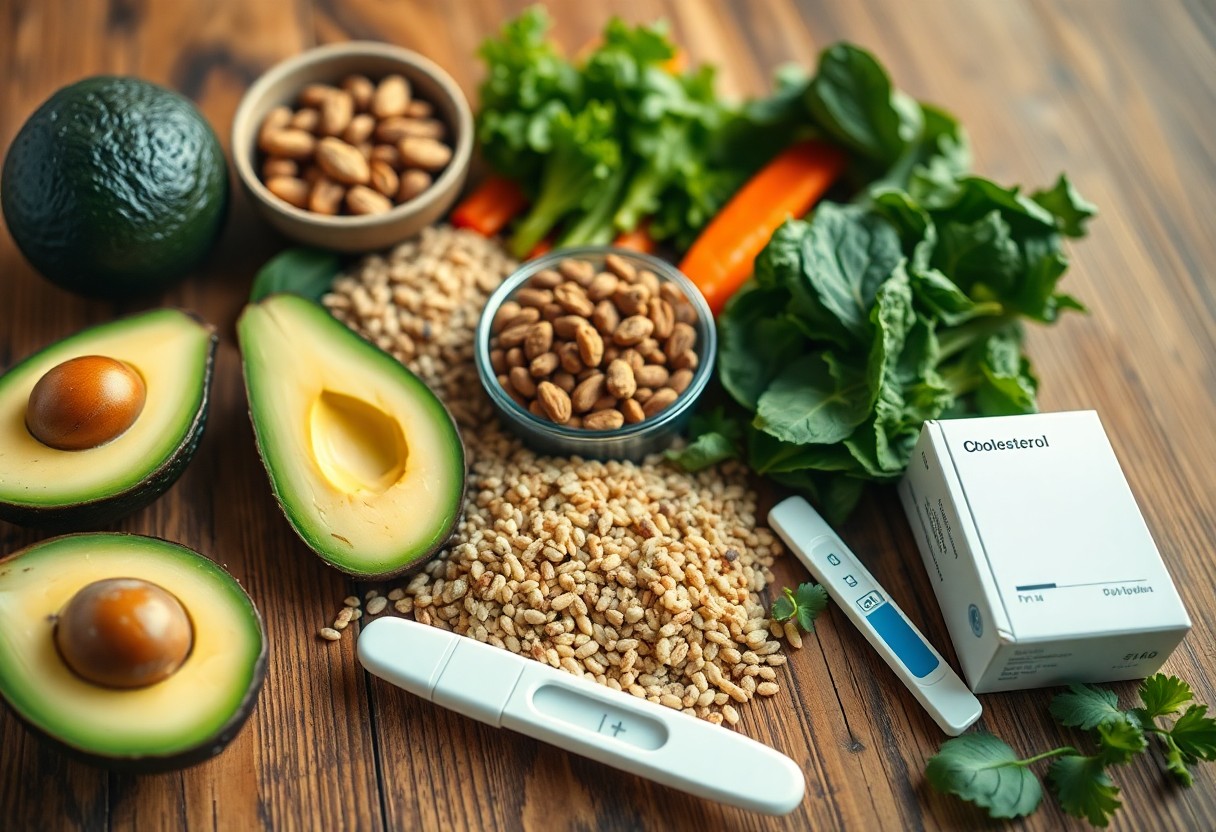
What is Cholesterol?
For many people, cholesterol is a common health concern often associated with heart disease. It is a waxy, fat-like substance found in your cells and bloodstream, playing a vital role in producing hormones, vitamin D, and substances that help digest foods. While your body needs cholesterol to function properly, too much of it can lead to health issues. Understanding cholesterol and its sources in your diet is necessary for maintaining your overall well-being.
Types of Cholesterol
For you to grasp cholesterol’s impact on your health, it’s important to differentiate the types of cholesterol.
- Low-Density Lipoprotein (LDL): Often referred to as “bad” cholesterol.
- High-Density Lipoprotein (HDL): Known as “good” cholesterol for its protective qualities.
- Very Low-Density Lipoprotein (VLDL): Another type of “bad” cholesterol.
- Triglycerides: A type of fat in the blood that can affect your cholesterol levels.
- Non-HDL Cholesterol: The total cholesterol minus HDL, including all “bad” types.
This knowledge empowers you to make informed choices about your diet and lifestyle.
| Type of Cholesterol | Description |
| LDL | Transports cholesterol to cells; excessive levels can lead to plaque buildup. |
| HDL | Helps remove cholesterol from your bloodstream, reducing heart disease risk. |
| VLDL | Contributes to plaque buildup in arteries; often contains high levels of triglycerides. |
| Triglycerides | Store unused calories; high levels can increase the risk of heart disease. |
The Role of Cholesterol in the Body
What you may not realize is that cholesterol plays a pivotal role in various bodily functions beyond just cardiovascular health.
Cholesterol is not only necessary for the production of cell membranes but also aids in synthesizing hormones, such as estrogen and testosterone, as well as vitamin D. It facilitates the absorption of fat-soluble vitamins, including A, D, E, and K, which are vital for various bodily functions. A balanced level of cholesterol is necessary for optimal health, enhancing digestion and overall cellular function. By understanding its role, you can appreciate why maintaining healthy cholesterol levels through diet is so important.
Dietary Sources of Cholesterol
Even though cholesterol is often viewed negatively, it is a natural substance found in various foods. Your body produces cholesterol, but it also obtains it from your diet. Understanding the sources of cholesterol can help you make informed dietary choices and maintain a healthy balance within your body.
Animal-Based Foods
Beside saturated fats, animal-based foods are significant sources of dietary cholesterol. You typically find cholesterol in meats, dairy products, and eggs. For instance, fatty cuts of meat, butter, cheese, and egg yolks can contain higher levels of cholesterol, which may impact your cardiovascular health if consumed excessively.
Plant-Based Foods
Between animal-based foods and plant-based diets, it’s crucial to note that plant-based foods generally do not contain cholesterol. This means you can enjoy fruits, vegetables, grains, nuts, and seeds without the concern of dietary cholesterol intake affecting your levels.
But it’s important to keep in mind that while plant-based foods don’t have cholesterol, they can still influence your cholesterol levels through their fatty acid composition. Foods like avocados and olives are rich in unsaturated fats, which can help raise HDL (good) cholesterol while lowering LDL (bad) cholesterol. Emphasizing these heart-healthy fats alongside a variety of fiber-rich plant foods in your diet can further support your overall cardiovascular health.
The Impact of Diet on Cholesterol Levels
Unlike what many believe, cholesterol levels are significantly influenced by your diet. Consuming foods high in unhealthy fats can raise your LDL (bad cholesterol) levels while lowering your HDL (good cholesterol) levels. By making mindful dietary choices, you can effectively manage and improve your cholesterol levels, ultimately supporting cardiovascular health and overall well-being.
Saturated and Trans Fats
To understand how your diet affects cholesterol, it’s vital to recognize the role of saturated and trans fats. These fats are known to increase the levels of LDL cholesterol in your blood, raising the risk of heart disease. Foods high in saturated fats include fatty cuts of meat, full-fat dairy products, and certain oils, whereas trans fats can be found in many processed foods, such as margarine and baked goods.
Healthier Alternatives
Trans fats can be replaced with healthier options to help manage cholesterol levels. Opt for unsaturated fats found in sources like avocados, nuts, and olive oil, which can improve heart health. Incorporating more fruits, vegetables, whole grains, and legumes in your diet can also boost your overall health while keeping cholesterol levels in check.
Considering healthier alternatives is vital for you to maintain balanced cholesterol levels. By focusing on whole, minimally processed foods, you can create meals that are not only nutritious but also tasty. For instance, swapping out butter for avocado or using a drizzle of olive oil for frying can lead to significant benefits in your cholesterol management. Additionally, incorporating omega-3 fatty acids from sources like fatty fish or flaxseeds can further help improve your lipid profile and contribute to overall cardiovascular health.
Understanding Cholesterol Numbers
Your cholesterol numbers can provide valuable insights into your heart health. Generally, these numbers include total cholesterol, low-density lipoprotein (LDL), high-density lipoprotein (HDL), and triglycerides. Understanding these figures can help you assess your cardiovascular risk and make informed dietary choices. Regular testing and monitoring play an imperative role in maintaining optimal health.
Interpreting Cholesterol Tests
For effective interpretation of cholesterol tests, it’s imperative to familiarize yourself with the key components. Total cholesterol measures all cholesterol in your blood, while LDL is often labeled “bad” cholesterol, and HDL is referred to as “good” cholesterol. Triglycerides also serve as an important measure of heart health. By analyzing these elements collectively, you can gain a clearer picture of your cardiovascular health.
Target Levels for Health
Cholesterol levels are typically categorized into ranges, helping you identify your target levels for maintaining optimal health. A total cholesterol level below 200 mg/dL is considered desirable, while LDL levels should ideally remain below 100 mg/dL. Conversely, HDL should ideally be 60 mg/dL or higher to provide protective benefits for your heart. Regularly monitoring these levels will help you stay ahead of potential health risks.
Hence, aiming for these target levels is key to enhancing your heart health. Lifestyle adjustments—such as adopting a balanced diet low in saturated fats, increasing physical activity, and managing stress—can significantly influence your cholesterol numbers. Staying informed about your cholesterol levels empowers you to make healthier choices and reduce the risk of heart disease in the long run.
Lifestyle Changes to Manage Cholesterol
Many factors influence your cholesterol levels, and making lifestyle changes can have a significant impact. By adopting a heart-healthy lifestyle, you can effectively control your cholesterol and improve your overall well-being. This includes incorporating balanced nutrition, regular physical activity, and managing stress, which together create a powerful strategy for maintaining healthy cholesterol levels.
Exercise and Physical Activity
An crucial component of managing cholesterol is regular exercise. Engaging in physical activity helps raise your levels of HDL (good) cholesterol while lowering LDL (bad) cholesterol. Aim for at least 150 minutes of moderate aerobic exercise each week, such as brisk walking or cycling, to enhance your cardiovascular health and aid in cholesterol management.
Weight Management
Exercise can play a pivotal role in weight management, which directly influences your cholesterol levels. By maintaining a healthy weight, you can help reduce the amount of LDL cholesterol in your bloodstream and increase HDL cholesterol. It’s not just about shedding pounds, but also about implementing sustainable habits like portion control and mindful eating, ensuring that your diet supports your health goals without feeling deprived.
And by integrating regular physical activity into your routine, along with balanced nutrition, you create an environment conducive to maintaining a healthy weight. Consider setting achievable fitness goals and incorporate enjoyable activities to make exercise a staple in your lifestyle. Consistency is key, as small, sustainable changes can lead to significant improvements in your cholesterol levels over time.
Medications and Cholesterol Management
Now, managing your cholesterol levels may require more than just dietary changes; medications can play a significant role in achieving optimal heart health. If your levels are consistently high despite your best efforts with lifestyle changes, your healthcare provider may recommend medications. Understanding how these medications work and their potential side effects can empower you to make informed decisions about your treatment plan.
Common Cholesterol Medications
Around the world, various medications are prescribed to help manage cholesterol levels effectively. Statins are among the most commonly used, reducing cholesterol production in the liver. Other types include bile acid sequestrants, niacin, and cholesterol absorption inhibitors, each with unique mechanisms to lower your low-density lipoprotein (LDL) cholesterol.
When Medication is Necessary
Behind every medication recommendation is an assessment of your individual health status and cholesterol levels. If your LDL levels are significantly elevated, or if you have a family history of heart disease, medications may be necessary to lower your risk. Additionally, if lifestyle modifications have not sufficiently improved your cholesterol profile, medication can serve as an important tool in your overall heart health strategy.
When you are faced with consistently high cholesterol levels, it’s important to have a detailed conversation with your healthcare provider. They will evaluate factors such as your overall health, age, family history, and any existing conditions. This helps to determine if medications are the right approach for you. By being proactive and following your provider’s advice, you can effectively manage your cholesterol and reduce the risk of heart disease.
To wrap up
Presently, understanding cholesterol and your diet is imperative for maintaining heart health. You can make informed choices about your eating habits by recognizing the impact of different types of cholesterol and how they relate to your overall health. Incorporating healthy fats and moderating saturated fat intake can benefit you significantly. For more detailed information, check out Here’s the latest on dietary cholesterol and how it fits … in a healthy diet. Your heart will thank you!
FAQ
Q: What is cholesterol, and why is it important for my body?
A: Cholesterol is a fatty substance found in every cell of your body and plays several crucial roles. It is involved in the production of hormones, vitamin D, and substances that help digest foods. Cholesterol is transported in the bloodstream by lipoproteins, primarily low-density lipoprotein (LDL) and high-density lipoprotein (HDL). While your body needs cholesterol for various functions, excessive levels—particularly of LDL—can lead to an increased risk of heart disease and stroke.
Q: How does my diet affect cholesterol levels?
A: Your diet significantly impacts your cholesterol levels. Consuming saturated fats, trans fats, and dietary cholesterol can raise LDL cholesterol levels in the bloodstream. Foods high in saturated fats include red meat, full-fat dairy products, and certain processed foods. Conversely, a diet rich in fruits, vegetables, whole grains, and healthy fats (like those from fish, nuts, and olive oil) can help lower LDL cholesterol and increase HDL cholesterol, promoting better heart health.
Q: What dietary changes can I make to improve my cholesterol levels?
A: To improve your cholesterol levels, consider adopting the following dietary changes:
1. Reduce saturated and trans fat intake by limiting red meat, full-fat dairy, and processed foods, while increasing your consumption of healthy fats found in fish, avocados, and nuts.
2. Increase your fiber intake by incorporating more fruits, vegetables, legumes, and whole grains into your meals, as soluble fiber can help lower LDL cholesterol.
3. Choose lean protein sources, such as poultry, fish, and plant-based proteins, over fatty cuts of meat.
4. Limit added sugars and refined carbohydrates, which may contribute to cholesterol and overall heart health.
Making these adjustments can support more favorable cholesterol levels and enhance your overall well-being.