Over time, the foods you choose can significantly influence your hormone levels and overall well-being. Whether you’re facing mood swings, fatigue, or weight changes, understanding how certain foods can help balance your hormones is important. In this post, we’ll explore various dietary options that support hormonal health, allowing you to make informed choices that benefit your body and mind. By incorporating these foods into your meal plan, you can promote hormonal harmony and improve your quality of life.
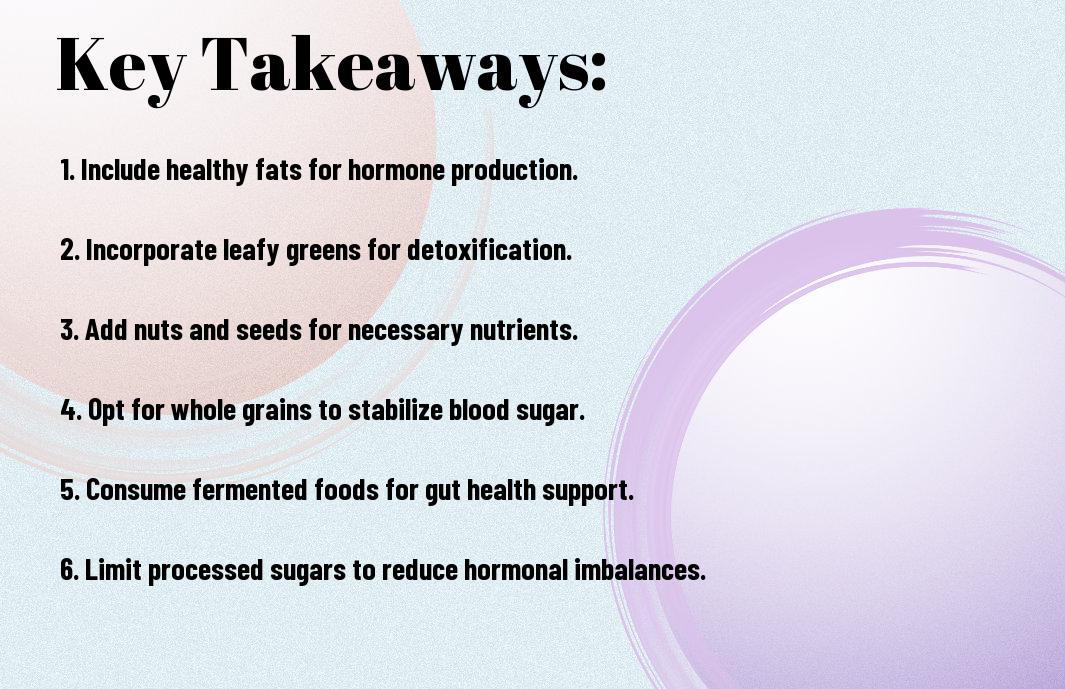
Key Takeaways:
- Healthy Fats: Incorporating sources of healthy fats, such as avocados, nuts, and olive oil, can support hormonal balance and overall health.
- Fiber-Rich Foods: Consuming a diet high in fiber, including vegetables, whole grains, and legumes, helps regulate blood sugar levels and hormone production.
- Protein Sources: Adequate intake of lean protein from foods like chicken, fish, and plant-based sources is imperative for hormone synthesis and balance.
Understanding Hormonal Imbalances
For many people, hormonal imbalances can significantly affect physical and emotional well-being. These imbalances occur when there is too much or too little of a hormone in the bloodstream, leading to a variety of health issues. It’s crucial to grasp how hormones function in your body and the factors that can contribute to their disruption for effective management and prevention. Identifying the underlying causes gives you a more proactive approach to restoring balance and enhancing your overall health.
Common Causes of Hormonal Imbalances
Beside factors like stress and poor diet, hormonal imbalances can arise from various sources such as age, medical conditions, and lifestyle choices. Chronic stress can elevate cortisol levels, while insufficient nutrition can impact hormone production. Environmental toxins, lack of sleep, and certain medications may also disrupt your hormonal equilibrium, making it crucial to evaluate your daily habits and surroundings to maintain optimal health.
Symptoms of Hormonal Disruptions
The signs of hormonal disruptions can manifest in numerous ways, impacting both physical and emotional aspects of your life. You might notice changes in weight, mood swings, irregular menstrual cycles, fatigue, or sleep disturbances. Paying close attention to these symptoms can help you recognize potential hormonal issues and seek appropriate guidance to address them effectively.
Disruptions in hormone levels can be subtle or quite pronounced, often affecting your quality of life. You may experience symptoms like acne, changes in libido, or increased anxiety and depression. These changes can lead to a cycle of discomfort, making it crucial to stay aware of how your body feels and respond to its needs. If you identify multiple symptoms, consider reaching out to a healthcare professional for support, ensuring you maintain hormonal health and overall well-being.
The Role of Nutrition in Hormonal Health
Any approach to achieving hormonal health should include attention to your nutrition. Foods you consume play a significant role in regulating hormones, influencing everything from mood to metabolism. By focusing on a balanced diet rich in whole foods, you can help support hormonal balance and improve overall well-being. Nutritional choices, therefore, become an crucial piece of the puzzle for anyone looking to enhance their hormonal health.
Key Nutrients for Hormone Regulation
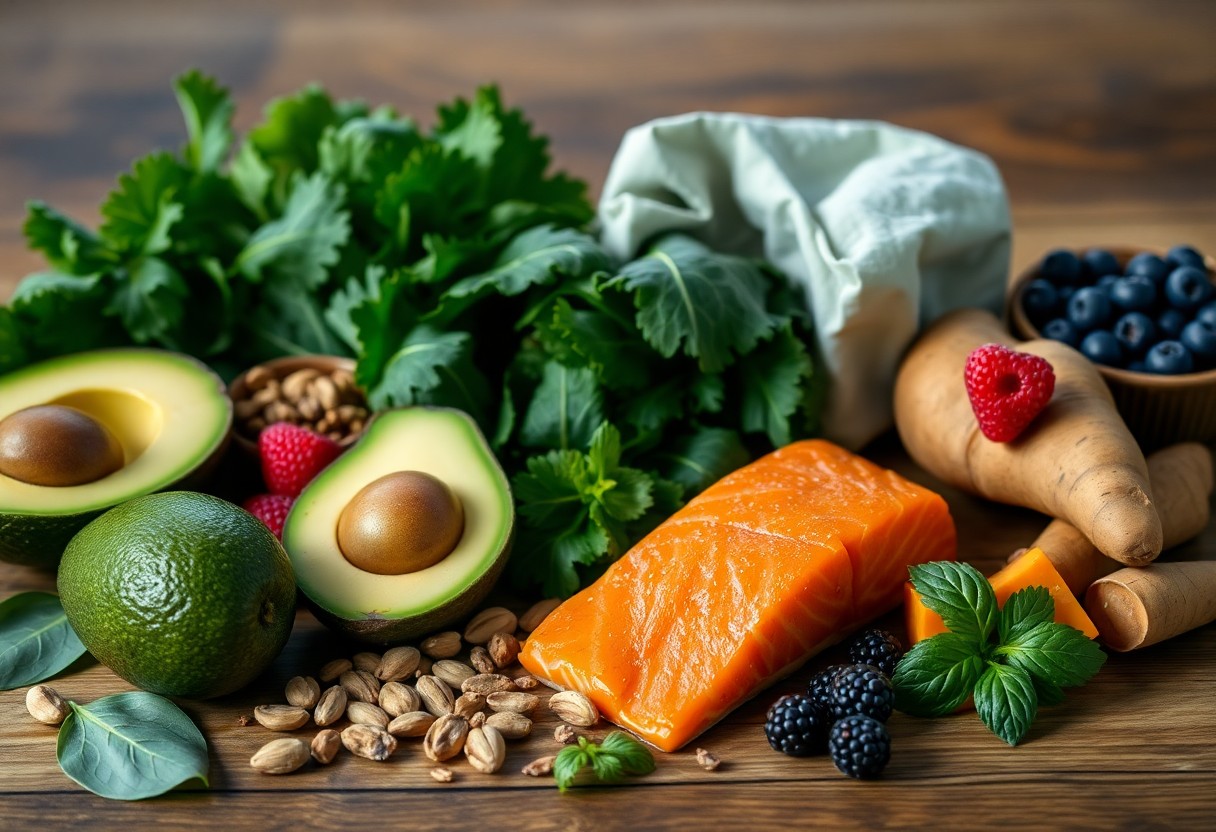
Hormone regulation relies heavily on specific nutrients in your diet. Vitamins such as B6, D, and E, along with minerals like magnesium and zinc, play vital roles in hormone synthesis and metabolism. Healthy fats from sources like avocados, nuts, and olive oil also support hormone production by maintaining cell structure and function. Incorporating these nutrients into your meals can significantly improve your hormonal balance.
Impact of Diet on Hormonal Balance
Between the foods you eat and the hormones your body produces, there’s an intricate relationship that directly affects your health. Diet can either support or disrupt your hormone levels, influencing everything from energy to reproductive health. For instance, a diet high in processed sugars can lead to insulin resistance, while whole foods can help stabilize blood sugar levels, directly impacting hormones like cortisol and estrogen.
Plus, when you prioritize whole, nutrient-dense foods, you set the stage for healthier hormone production and regulation. Nutritional deficits or excesses shift your hormonal levels, leading to issues such as fatigue, weight gain, and mood swings. By consciously choosing a balanced array of nutrients, you can effectively support your body’s hormonal pathways, contributing to improved vitality and emotional well-being.
Foods that Support Hormonal Balance
Not all foods are created equal when it comes to supporting hormonal balance. Certain nutrient-rich options can aid in regulating your hormones, providing you with more energy, better mood stability, and overall wellness. By incorporating specific foods into your diet, you can create a harmonious environment for your hormones to thrive.
Leafy Greens and Their Benefits
On your journey to hormonal balance, leafy greens such as spinach, kale, and Swiss chard play an important role. These vegetables are rich in vitamins and minerals, including magnesium and iron, which are vital for hormone production and regulation. Adding these greens to your meals can support your endocrine system and boost your overall health.
Healthy Fats and Hormonal Function
To ensure optimal hormonal function, you need to incorporate healthy fats into your diet. Avocados, nuts, seeds, and fatty fish are excellent sources of omega-3 fatty acids, which are known to promote hormonal balance. Healthy fats help in the absorption of vitamins and in the production of hormones, assisting your body in maintaining a state of balance.
Balance in your diet can significantly impact your hormonal health. Healthy fats do more than just provide energy; they also support your body’s ability to produce and utilize hormones. Including a variety of these fats in your meals can help regulate mood, enhance metabolism, and maintain reproductive health, ultimately leading to improved hormonal balance.
Protein Sources that Promote Hormonal Health
Hormonal balance is deeply influenced by your protein intake. Consuming high-quality protein sources, such as lean meats, fish, legumes, and dairy, plays a significant role in hormone synthesis. Proteins are the building blocks of hormones, and incorporating them into your diet is important for maintaining hormonal equilibrium.
Protein sources you choose can greatly affect your hormonal health. Protein not only supports the production of hormones but also helps to stabilize blood sugar levels and reduce cravings. Incorporating a variety of protein-rich foods into your meals ensures that you provide your body with the necessary components to maintain healthy hormone levels and improve overall well-being.
Herbs and Spices for Hormone Balance
Balance your meals with herbs and spices that support hormonal health. Ingredients like turmeric, cinnamon, and ashwagandha are known for their anti-inflammatory and adaptogenic properties. Adding these to your diet can aid in regulating hormones, providing you with additional support in your quest for balance.
In addition to enhancing flavor, these herbs and spices can contribute positively to your hormonal balance. For example, turmeric contains curcumin, which can help reduce inflammation and improve insulin sensitivity. By including a variety of these beneficial herbs and spices in your meals, you can cultivate an environment that supports hormonal health and assists in maintaining overall balance in your body.
Lifestyle Factors that Aid in Hormonal Balance
Your hormonal health can be significantly influenced by various lifestyle factors. To help you achieve a better hormonal balance, consider incorporating the following into your daily routine:
- Regular physical activity
- Adequate sleep
- Stress management techniques
- Balanced nutrition
Perceiving the importance of these lifestyle factors can also complement dietary choices, such as those described in Ways to Support Female’s Hormones Through Nutrition.
The Importance of Exercise
With regular exercise, you can help regulate your hormones and improve overall health. Engaging in both aerobic and strength training activities can enhance your mood, reduce stress, and contribute to weight management, all of which are beneficial for hormonal balance.
Stress Management Techniques
Importance of managing stress cannot be overstated when it comes to hormonal balance. Chronic stress can lead to hormonal imbalances, affecting everything from your mood to your metabolism.
And by incorporating stress reduction strategies such as mindfulness, yoga, and deep-breathing exercises, you can improve your body’s ability to regulate hormones effectively. Finding time for self-care and relaxation can significantly impact your overall well-being, leading to a healthier hormonal profile.
Incorporating Hormone-Balancing Foods into Your Diet
Unlike fad diets that focus solely on weight loss, incorporating hormone-balancing foods into your diet entails a holistic approach that nurtures your body. Aim to include a variety of fresh fruits, vegetables, whole grains, lean proteins, and healthy fats. This variety ensures you receive necessary nutrients that support hormonal health, allowing your body to function optimally. Over time, you’ll likely notice positive changes in your overall well-being by making these adjustments to your eating habits.
Meal Planning Tips
Against chaotic meal routines, it’s beneficial to establish a plan for including hormone-balancing foods. Here are some tips to consider:
- Prepare a weekly menu focused on seasonal produce.
- Batch cook healthy meals to save time.
- Snack on nuts and seeds for quick energy boosts.
- Experiment with new recipes regularly.
Thou can cultivate a sustainable eating pattern that promotes hormonal balance.
Recipes for Hormonal Health
Any effort to balance your hormones can be enhanced by preparing simple yet nutritious recipes. Cooking with hormone-supporting ingredients not only caters to your health but also makes meal times enjoyable.
This can include dishes like quinoa salads packed with leafy greens, roasted vegetables tossed in olive oil, or smoothies with antioxidant-rich berries and flaxseeds. You can also explore hearty soups and stews that feature lentils or chickpeas, providing a protein boost while stabilizing insulin levels. With these recipes, you can create satisfying meals that align with your goal of achieving hormonal health.
Final Words
Hence, incorporating hormone-balancing foods into your diet can significantly enhance your well-being and support overall health. By focusing on nutrient-rich options like leafy greens, healthy fats, and high-fiber foods, you can create a more stable hormonal environment. Staying mindful of your dietary choices empowers you to take control of your hormonal health, paving the way for improved energy, mood, and reproductive health. Prioritize these foods to optimize your body’s natural hormonal balance and enjoy the benefits they bring to your life.
FAQ
Q: What specific foods can help balance hormones effectively?
A: A variety of foods can aid in hormone balance. Incorporating healthy fats such as avocados, nuts, and olive oil can support hormone production and regulation. Leafy greens like spinach and kale are rich in vitamins and minerals that promote overall hormonal health. Additionally, fatty fish, like salmon, are high in omega-3 fatty acids, which help to reduce inflammation and may aid in balancing hormones. Other beneficial foods include high-fiber options such as legumes and whole grains, which assist in stabilizing blood sugar levels and can impact hormone levels positively.
Q: How does stress impact hormone balance, and what foods can help alleviate stress?
A: Stress can lead to hormonal imbalances by increasing cortisol levels, which may disrupt other hormones in the body. Foods that help to alleviate stress and potentially balance hormones include complex carbohydrates, such as oats and sweet potatoes, which can boost serotonin levels, providing a calming effect. Herbal teas, such as chamomile and green tea, may also promote relaxation and support hormonal balance. Additionally, foods rich in magnesium, like dark chocolate and leafy greens, can help reduce stress levels and promote overall hormonal harmony.
Q: Can lifestyle changes, in addition to diet, enhance hormone balance?
A: Yes, lifestyle changes can significantly enhance hormone balance. Regular physical activity is important as it helps manage weight and reduce stress, both of which affect hormone levels. Getting sufficient sleep is also vital, as lack of rest can lead to increased cortisol and disrupted hormone production. Moreover, consistent hydration and mindfulness practices, such as yoga or meditation, can further support hormonal balance. When combined with a nutritious diet, these lifestyle adjustments create a supportive environment for healthy hormone regulation.