Just as your body requires various nutrients to function effectively, zinc plays a significant role in supporting your immune system, healing wounds, and facilitating cell division. Understanding the importance of zinc in your diet and knowing where to find this crucial mineral can enhance your overall health. In this post, you will discover the benefits of zinc, its dietary sources, and how to ensure you’re meeting your nutritional needs.
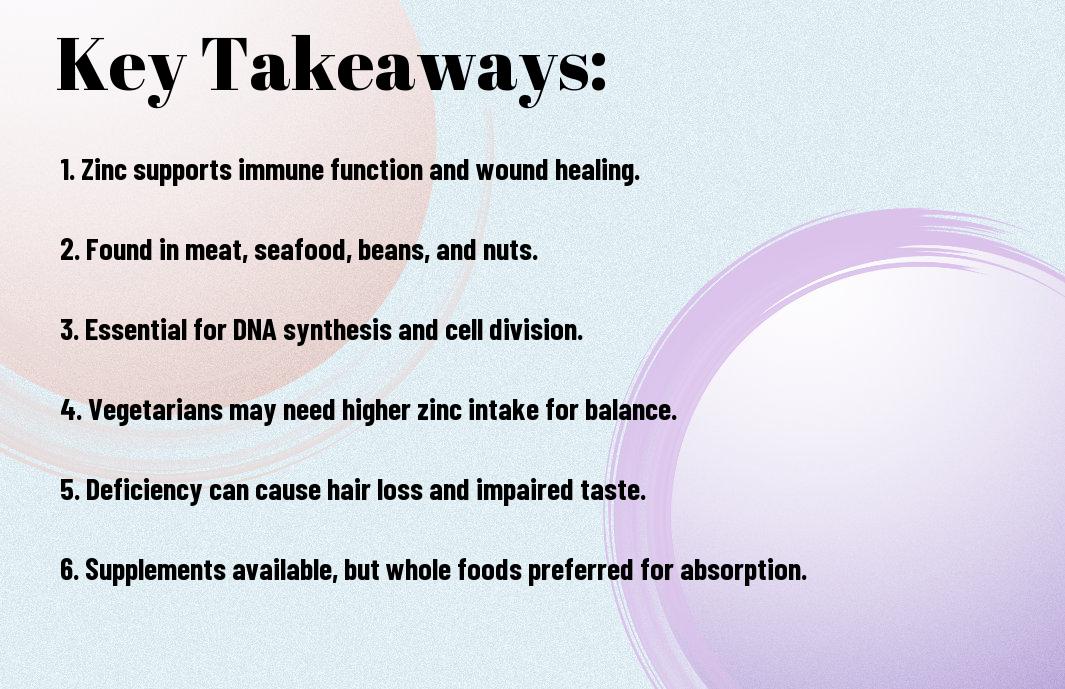
Key Takeaways:
- Importance of Zinc: Zinc is vital for various bodily functions, including immune system support, wound healing, and DNA synthesis.
- Dietary Sources: High-zinc foods include meat, seafood (especially oysters), legumes, seeds, nuts, dairy products, and whole grains.
- Potential Deficiency: A lack of zinc can lead to health issues such as weakened immunity, hair loss, and developmental delays in children.
Importance of Zinc in Human Health
Adequate zinc intake is vital for maintaining overall health and well-being. This crucial mineral plays a significant role in numerous biological functions, including enzyme activity, DNA synthesis, and protein production. Your body relies on zinc for metabolic processes and cellular function, making it a necessary nutrient for sustaining life.
Immune Function
Human immunity is significantly influenced by the presence of zinc. It helps to activate T-lymphocytes, crucial cells that defend your body against pathogens, and supports the production of antibodies, which are crucial for combating infections. A deficiency in zinc can lead to a weakened immune response, making you more susceptible to illnesses.
Wound Healing
One of the remarkable benefits of zinc lies in its ability to promote wound healing. It aids in cell division, growth, and the synthesis of proteins necessary for repairing damaged tissues.
In addition, zinc plays a vital role in collagen synthesis, a key protein that your body needs for skin and tissue repair. Enhanced cellular regeneration propelled by zinc can accelerate healing and reduce recovery time from injuries. If you’re recovering from surgery or dealing with cuts and burns, ensuring adequate zinc levels can enhance your healing process.
Growth and Development
Immune function and growth cannot be overlooked when discussing zinc’s importance. This mineral is integral to proper growth and development, particularly in children and adolescents.
Hence, adequate zinc intake during these critical life stages is crucial for optimal physical and mental development. It supports various physiological functions that ensure your body grows properly and develops strong bones, organs, and a robust immune system. By including zinc-rich foods in your diet, you enhance not only your present health but also your future well-being.
Daily Zinc Requirements
You should be aware that your daily zinc intake is crucial for maintaining health. The amount of zinc you need can vary depending on factors such as age, sex, and life stage. Generally, adult men require about 11 mg per day, while adult women need around 8 mg. Pregnant and breastfeeding women have elevated needs, about 11-12 mg per day. Ensuring you meet these requirements is key to supporting your immune system, wound healing, and overall bodily functions.
Recommended Dietary Allowances
Before making dietary changes, check the Recommended Dietary Allowances (RDAs) for zinc. These guidelines provide specific amounts needed to prevent deficiency based on demographic factors. For instance, adult men typically need 11 mg, while women need 8 mg. Pregnant and lactating women’s needs increase further, so adjusting your diet is crucial during these periods.
Factors Affecting Zinc Needs
With numerous factors influencing your zinc requirements, understanding them can help you tailor your intake effectively. Some factors to consider include:
- Age and sex
- Physiological status (pregnancy, lactation)
- Chronic health conditions
- Dietary habits (vegetarian or vegan diets)
Thou should consider these influencers to ensure you meet your zinc needs efficiently.
Another dimension to your zinc requirements stems from your lifestyle choices and personal health status. For example, individuals on vegetarian or vegan diets may have higher zinc needs due to lower bioavailability of zinc from plant sources. Additionally, those suffering from digestive disorders that affect nutrient absorption may require supplemental zinc. Your body’s unique circumstances can greatly shape your zinc requirements.
- Dietary restrictions
- Exercise habits
- Health conditions (e.g., diabetes, kidney disease)
Thou might want to consult a healthcare provider for personalized recommendations tailored to your situation.
Dietary Sources of Zinc
Your diet plays a significant role in ensuring you meet your zinc requirements. Incorporating a variety of food sources can help you achieve the recommended daily intake. Both animal and plant-based options offer zinc, but their bioavailability differs. By understanding where to find zinc-rich foods, you can enhance your overall nutrition and support your health effectively.
Animal-Based Sources
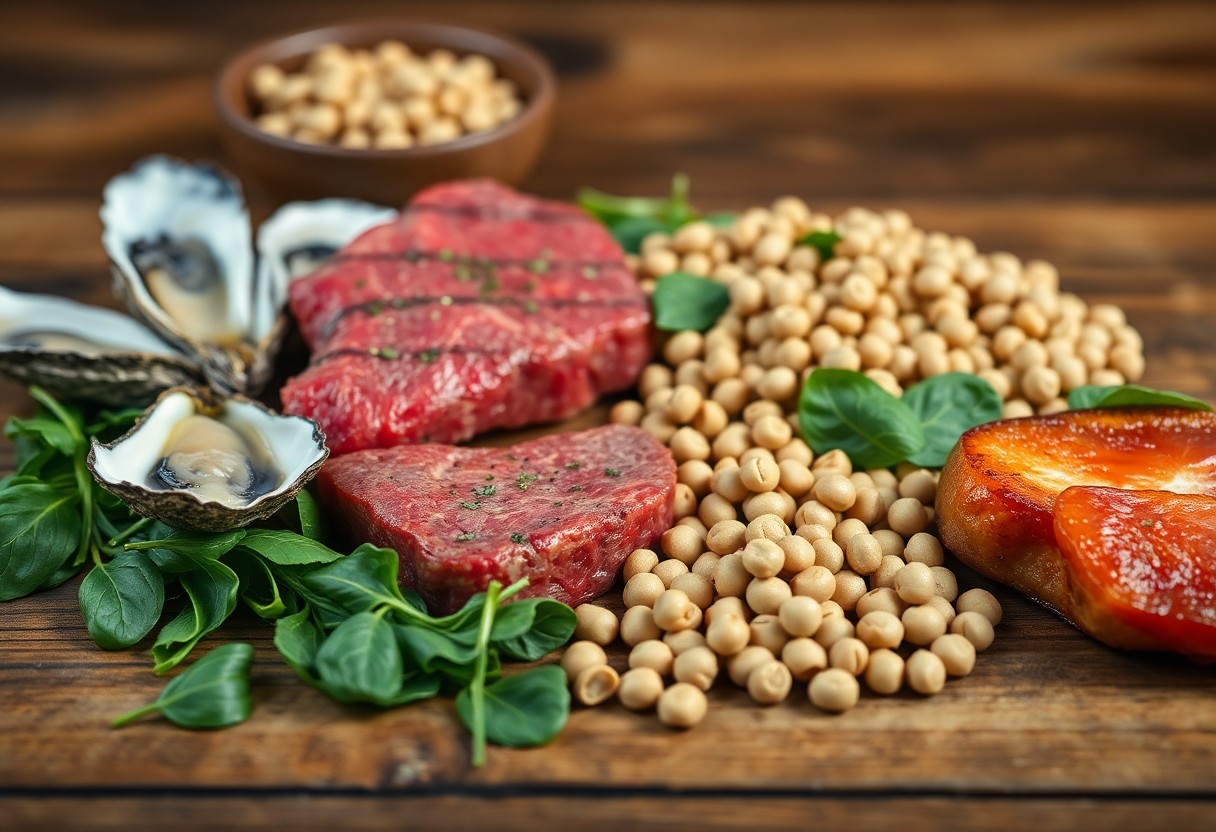
Among the best sources of zinc are animal-based foods. Red meat, poultry, and seafood, particularly oysters, are excellent options. These foods contain zinc in forms that your body can absorb easily, making it simpler for you to meet your dietary needs for this important mineral.
Plant-Based Sources
Sources of zinc in a plant-based diet include legumes, nuts, seeds, whole grains, and fortified cereals. While these options can contribute to your zinc intake, it is important to note that the zinc found in plant foods is generally less bioavailable than that in animal sources.
This means that you may need to consume a greater quantity of these foods to ensure adequate zinc levels. Additionally, incorporating foods rich in phytates, like whole grains and legumes, can inhibit zinc absorption. To enhance zinc absorption from plant sources, consider soaking, sprouting, or fermenting these foods, which can break down phytates and improve mineral availability.
Zinc Deficiency: Causes and Symptoms
After understanding the benefits of zinc, it is necessary to recognize the causes and symptoms of zinc deficiency. This condition may arise due to inadequate dietary intake, certain health issues that impair absorption, or increased requirements during periods of rapid growth, like childhood or pregnancy. Common symptoms include weakened immunity, hair loss, skin issues, and delayed wound healing. Addressing these symptoms quickly can help restore your overall health and well-being.
Risk Factors
Between dietary choices and specific health conditions, several risk factors can increase your likelihood of zinc deficiency. These include:
- Vegetarian or vegan diets
- Gastrointestinal disorders affecting nutrient absorption
- Pregnancy and lactation
- Chronic diseases like diabetes
Perceiving the interplay between these risk factors can guide you in making informed dietary decisions.
Health Implications
About the health implications of zinc deficiency, it’s vital to understand that insufficient zinc can disrupt various body functions, impacting your overall health. You may experience symptoms affecting your immune system, which may heighten your susceptibility to infections. Additionally, low zinc levels can lead to cognitive challenges, skin conditions, and fertility issues.
Implications of zinc deficiency extend beyond short-term symptoms; long-term deficiencies can contribute to significant health complications. By neglecting adequate zinc intake, you might find yourself facing not only weakened immunity but also potential developmental challenges in children, reduced sense of taste, and severe skin disorders. Ensuring you meet your zinc needs through a balanced diet can safeguard your long-term health.
Zinc Supplementation
Many individuals turn to zinc supplements to meet their daily needs, especially when dietary sources may fall short. These supplements can support immune function, wound healing, and overall well-being. However, it is imperative for you to understand the proper dosage and consult with a healthcare professional before adding zinc supplements to your regimen.
Types of Zinc Supplements
- Zinc gluconate
- Zinc acetate
- Zinc picolinate
- Zinc sulfate
- Zinc orotate
The type of zinc supplement you choose can affect absorption and effectiveness.
| Zinc Gluconate | Common in lozenges and supplements |
| Zinc Acetate | Effective for immune support |
| Zinc Picolinate | Highly bioavailable |
| Zinc Sulfate | Widely used in supplements |
| Zinc Orotate | May offer enhanced absorption |
Benefits and Risks
Supplements can provide numerous benefits, including improved immune response and enhanced skin health. However, it’s vital to be aware of the potential risks associated with excessive zinc intake, such as nausea and interference with copper absorption.
But you should be cautious with dosage, as excessive zinc supplementation can lead to side effects, including gastrointestinal issues and long-term health concerns. Always consult a healthcare professional to determine the right approach for your specific needs, ensuring you enjoy the benefits of zinc without compromising your health.
Final Words
Summing up, zinc plays an important role in your overall health, supporting immune function, wound healing, and DNA synthesis. Ensuring you include zinc-rich foods like meat, shellfish, legumes, seeds, and dairy in your diet can help you meet your nutritional needs. If you’re concerned about your zinc intake or have dietary restrictions, consider consulting a healthcare professional for personalized advice. Prioritizing zinc in your diet can positively impact your well-being and energy levels.
Q: What are the health benefits of zinc in the diet?
A: Zinc plays a significant role in various bodily functions. It is necessary for maintaining a strong immune system, aiding in wound healing, and supporting DNA synthesis. Additionally, zinc is involved in protein synthesis and cell division. It also contributes to taste and smell functionality and supports skin health.
Q: What are some food sources rich in zinc?
A: You can find zinc in a variety of foods. Excellent sources include red meat, poultry, shellfish (such as oysters and crab), legumes (like chickpeas and lentils), seeds (such as pumpkin seeds), nuts (especially cashews and almonds), dairy products, and whole grains. Incorporating these foods into your meals can help you meet your zinc requirements.
Q: How can I ensure I am getting enough zinc in my diet?
A: To ensure adequate zinc intake, it’s important to include a balanced variety of foods in your diet that are rich in zinc. If you’re vegetarian or vegan, consider consuming fortified cereals, legumes, nuts, and seeds as your primary sources. Additionally, paying attention to your overall dietary patterns and seeking advice from a healthcare professional can help you gauge whether you need supplements based on your specific health needs.