Just like any other part of your body, your heart thrives on the right nutrition. By incorporating heart-healthy foods into your diet, you can enhance cardiovascular health, manage cholesterol levels, and lower blood pressure. This post will highlight the top 10 heart-healthy foods you should consider adding to your meals. By making informed choices about what you eat, you can pave the way for a healthier, happier heart.
Key Takeaways:
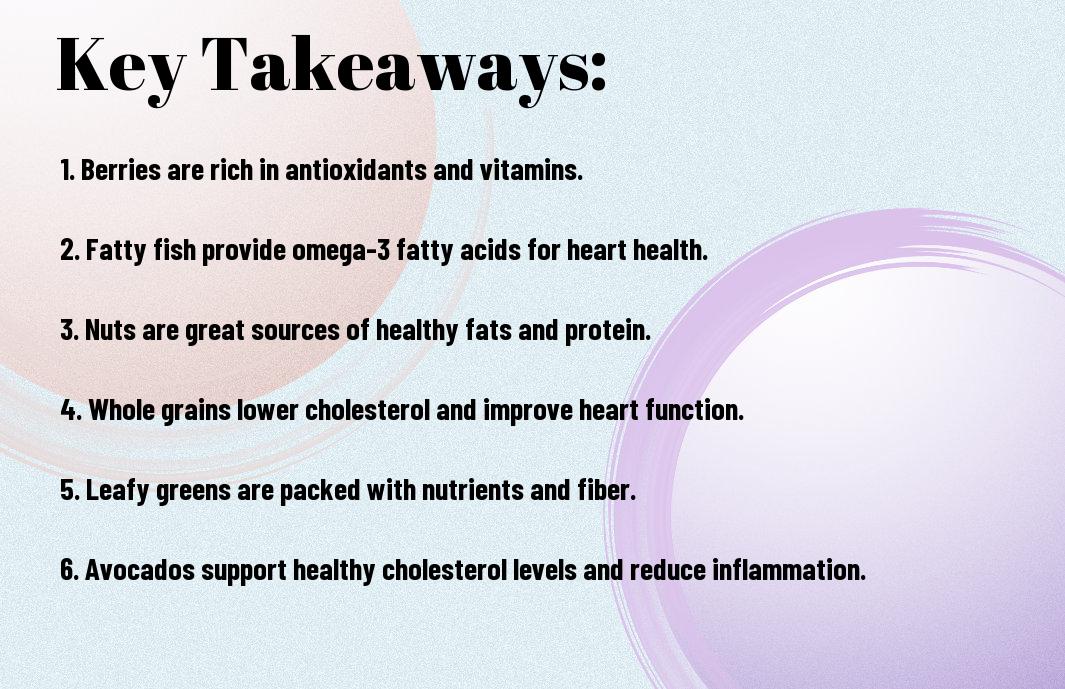
- Leafy Greens: Incorporate spinach, kale, and Swiss chard into your diet for their high levels of vitamins, minerals, and antioxidants.
- Fatty Fish: Salmon, mackerel, and sardines are rich in omega-3 fatty acids, which support heart health and reduce inflammation.
- Whole Grains: Foods like oats, quinoa, and barley provide important fiber, helping to manage cholesterol levels and maintain heart function.
- Berries: Blueberries, strawberries, and raspberries are packed with antioxidants and have been linked to improved heart health.
- Nuts and Seeds: Almonds, walnuts, and flaxseeds offer healthy fats, protein, and fiber, contributing to overall cardiovascular wellness.
Understanding Heart Health
While heart health is often associated with physical activity, nutrition plays an equally significant role in maintaining a healthy cardiovascular system. The food you consume can impact your heart’s function, inflammation levels, and cholesterol balance. By making informed dietary choices, you can support your overall heart health and reduce the risk of heart-related issues.
The Importance of Nutrition
The nutrients in your diet provide the foundation for a healthy heart. A diet rich in fruits, vegetables, whole grains, and lean proteins can help enhance your heart function and lower your risk of cardiovascular diseases. By prioritizing nutrient-dense foods, you can promote better heart health and overall well-being.
How Diet Affects Heart Disease
Nutrition directly influences your risk of developing heart disease. The types of fat, sugars, and sodium in your diet can lead to conditions such as hypertension, high cholesterol, and inflammation, all of which are linked to heart disease. Choosing heart-friendly foods can help mitigate these risks and promote a healthier heart.
Further, maintaining a balanced diet can help you manage your weight and regulate blood pressure, both of which are vital for heart health. Foods high in fiber, omega-3 fatty acids, and antioxidants can reduce harmful cholesterol levels and combat inflammation, which are significant contributors to heart disease. By being mindful of your diet, you can take proactive steps toward protecting your heart and enhancing your overall health.
Top 10 Heart-Healthy Foods
Any diet aimed at promoting heart health should include a variety of nutrient-rich foods. A balanced plate filled with fruits, vegetables, whole grains, and healthy fats can significantly reduce the risk of heart disease. By incorporating these top 10 heart-healthy foods into your meals, you can support your cardiovascular system and enhance your overall well-being.
Leafy Greens
On your journey to better heart health, leafy greens like spinach, kale, and Swiss chard play a vital role. They’re packed with vitamins, minerals, and antioxidants that help lower blood pressure and reduce inflammation, making them an crucial addition to your diet.
Berries
Across the spectrum of fruit, berries stand out as a powerhouse of heart health benefits. Their high levels of antioxidants and fiber make them ideal for protecting your heart and improving cholesterol levels.
A variety of berries, including strawberries, blueberries, and raspberries, are particularly rich in anthocyanins, a type of flavonoid known for reducing the risk of heart disease. Their natural sweetness can also satisfy your cravings for something sugary while providing crucial nutrients that promote your heart’s well-being.
Fatty Fish
Above all, fatty fish like salmon, mackerel, and sardines are excellent sources of omega-3 fatty acids, which are known to support heart health and reduce the risk of arrhythmias. Including these fish in your diet at least twice a week can make a noticeable difference to your cardiovascular health.
It’s beneficial to consume fatty fish regularly, as their omega-3 content helps lower triglycerides, reduce blood pressure, and decrease the buildup of plaque in arteries. Additionally, the vitamins and selenium present in fatty fish contribute to overall health and well-being.
Nuts and Seeds
For a satisfying and heart-healthy snack, nuts and seeds are a fantastic choice. They are rich in healthy fats, fiber, and protein, making them an ideal addition to your diet for heart protection.
Plus, incorporating a variety of nuts like almonds, walnuts, and seeds such as flaxseeds and chia seeds provides you with a wealth of nutrients. They help lower cholesterol levels and reduce inflammation, helping to keep your heart functioning smoothly.
Whole Grains
About whole grains, they are crucial for a healthy diet as they provide fiber and nutrients that are beneficial for your heart. Foods like brown rice, quinoa, and whole-wheat bread can help regulate blood pressure and maintain healthy cholesterol levels.
HeartHealthy whole grains improve your diet by providing energy while supporting a healthy weight. Their fiber content promotes digestion and can help lower the risk of heart disease, making them a smart choice for any meal.
Avocados
About avocados, they are not only delicious but also packed with heart-healthy monounsaturated fats. These healthy fats can help lower bad cholesterol levels, making them a vital addition to your diet.
Foods like avocados are rich in potassium, which aids in maintaining healthy blood pressure levels. Their creamy texture makes them a versatile ingredient that can enhance your meals, all while supporting cardiovascular wellness.
Beans and Legumes
Against the backdrop of heart health, beans and legumes deserve a prominent place in your diet. Rich in fiber, protein, and crucial nutrients, they can contribute significantly to lowering cholesterol levels and improving overall cardiovascular function.
Due to their complex carbohydrate nature, beans and legumes provide sustained energy and help you feel full longer. Their versatility allows you to include them in a variety of dishes, promoting heart health without sacrificing flavor.
Olive Oil
Along with being a staple in Mediterranean cuisine, olive oil is renowned for its heart-healthy properties. Rich in monounsaturated fats, it can help lower bad cholesterol levels while raising the good ones.
And by using olive oil as a primary cooking fat or in salad dressings, you enhance your meals with a nutritious and flavorful addition. Its antioxidant properties also contribute to reducing inflammation, making it an excellent choice for maintaining a healthy heart.
Tomatoes
Despite their sweet taste, tomatoes are a powerhouse for heart health. They are rich in lycopene, an antioxidant that helps reduce cholesterol levels and decreases the risk of heart disease. Including tomatoes in your diet can improve blood vessel function, contributing to better circulation and overall heart wellness. Enjoy them fresh in salads, cooked in sauces, or as a base for soups to maximize their health benefits and flavor.
Dark Chocolate
An amazing treat for your heart, dark chocolate is packed with flavonoids, which can lower blood pressure and improve blood flow to the heart. Opt for chocolate with at least 70% cocoa content for maximum benefits. Enjoy a small portion of dark chocolate regularly, and you’ll not only satisfy your sweet tooth but also support your cardiovascular health in the process.
Incorporating Heart-Healthy Foods into Your Diet
Once again, it’s imperative to prioritize heart-healthy foods in your daily meals. Start by gradually introducing these foods into your routine, aiming for balance over perfection. You can replace unhealthy snacks with fruits, add leafy greens to your salads, or choose whole grains over processed ones. By making these small changes, you can significantly impact your heart health while enjoying a varied and nutritious diet.
Meal Planning Tips
Behind every successful meal plan is a carefully curated list of heart-healthy ingredients. Start by incorporating foods rich in omega-3 fatty acids, fiber, and antioxidants into your shopping list. Here are some tips to help you strategize:
- Plan your meals for the week ahead.
- Batch-cook heart-healthy recipes.
- Include a variety of colorful fruits and vegetables.
- Join a local farmers’ market for fresh produce.
The above strategies will simplify your journey toward heart health.
Recipes to Try
About incorporating delicious heart-healthy recipes into your diet—this can make the transition enjoyable! Whipped up with whole foods and fresh ingredients, these meals can keep your palate satisfied and nourish your heart. Diverse options cater to different tastes and dietary preferences, ensuring that you stick to your healthy eating plan without feeling deprived.
Recipes can include vibrant salads with quinoa, baked salmon drizzled with lemon, and hearty lentil soups. These dishes are easy to prepare, packed with nutrients, and can easily become staples in your weekly meal rotation. Feel free to experiment with flavors and ingredients, sticking to those that support your heart health while appealing to your personal taste.
Other Lifestyle Factors for Heart Health
Keep in mind that your lifestyle choices play a significant role in maintaining heart health. Consider the following factors that can positively impact your heart:
- Adequate sleep
- Maintaining a healthy weight
- Avoiding tobacco products
- Limiting alcohol intake
- Staying socially connected
Recognizing these behaviors and integrating them into your daily routine can greatly improve your heart health. For additional insights, check out 21 Foods That Can Save Your Heart.
Exercise and Physical Activity
With regular exercise and physical activity, you can strengthen your heart and enhance overall cardiovascular health. Aim for at least 150 minutes of moderate aerobic exercise or 75 minutes of vigorous activity per week, along with muscle-strengthening activities on two or more days. Simple choices like walking, cycling, or even gardening can provide great benefits to your heart.
Stress Management
Heart health can be significantly affected by stress, so it’s imperative to manage it effectively. Techniques such as mindfulness, yoga, or deep breathing exercises can help lessen stress levels, promoting a healthier heart.
Due to the pervasive nature of stress in daily life, finding effective management strategies is vital for your heart health. Chronic stress can lead to unhealthy habits, such as excessive eating or smoking, which further increases your risk of heart disease. Incorporating stress-reducing practices into your routine can foster both mental clarity and emotional well-being, ultimately benefiting your overall cardiovascular health.
Common Myths About Heart Health
Many people hold misconceptions about heart health that can lead to poor dietary choices. Understanding these myths is imperative for making informed decisions that positively impact your cardiovascular well-being. For instance, many individuals believe that all fats are harmful, failing to recognize the benefits of healthy fats. By debunking these myths, you can adopt a heart-healthy lifestyle that supports your overall health.
Misconceptions About Fats
Against popular belief, not all fats are bad for your heart. In fact, healthy fats found in avocados, nuts, and olive oil can contribute to improved heart health, helping to lower bad cholesterol levels and reduce inflammation. It’s important to differentiate between unhealthy trans fats and beneficial unsaturated fats, allowing you to enjoy foods that actively support your cardiovascular system.
The Truth About Cholesterol
About cholesterol, many believe that all forms are detrimental to heart health. However, understanding the distinction between HDL (good) and LDL (bad) cholesterol is vital. While LDL can contribute to plaque buildup in arteries, HDL helps remove this plaque, lowering the risk of heart disease. It’s imperative to focus on maintaining a balance of cholesterol levels through a healthy diet and lifestyle choices.
It’s important to have regular cholesterol screenings to stay informed about your numbers. Making adjustments like incorporating more fiber and healthy fats can boost your HDL, promoting heart health. Aim for a diet rich in fruits, vegetables, whole grains, and lean proteins, while limiting saturated and trans fats. This balanced approach can aid in managing cholesterol levels effectively and support your heart health in the long term.
Resources for Further Learning
For those eager to deepen their understanding of heart-healthy nutrition, numerous resources are available. You can explore various books, articles, and websites that focus on cardiovascular health and dietary choices. By investing time in these materials, you can enhance your knowledge, empower your choices, and take proactive steps to improve your heart health.
Recommended Readings
By delving into books like “The Heart Disease Prevention Cookbook” or “Food Rules: An Eater’s Manual,” you’ll discover practical tips and delicious heart-healthy recipes. These reads offer valuable insights into the relationship between diet and cardiovascular health, giving you the tools you need to make informed food choices for your wellbeing.
Health Organizations and Websites
Recommended websites, such as the American Heart Association (AHA) and the Center for Disease Control and Prevention (CDC), serve as trustworthy sources of information. They provide guidelines, articles, and resources to help you understand heart health, lifestyle adjustments, and dietary recommendations tailored to your needs. Engaging with these organizations will keep you informed about the latest research and best practices in heart health.
Health organizations are dedicated to providing you with comprehensive and up-to-date information about heart health. Their websites feature a wealth of resources, including articles about nutrition, exercise, and lifestyle changes that impact cardiovascular health. By regularly visiting these sites, you stay engaged with current knowledge and trends, making it easier to adopt heart-healthy habits and maintain a balanced lifestyle.
Summing up
Upon reflecting on the top 10 heart-healthy foods, you can see how incorporating these nutrient-rich options into your daily diet can significantly benefit your cardiovascular health. By focusing on foods like fatty fish, whole grains, and leafy greens, you’re taking proactive steps to reduce your risk of heart disease and improve your overall well-being. Make small changes to your meals, and you’ll likely notice positive impacts on your energy levels and longevity. Prioritizing heart-healthy foods is an investment in your future health.
Q: What are some examples of heart-healthy foods?
A: Heart-healthy foods include a variety of options that can help maintain cardiovascular health. Some top examples are fatty fish like salmon and mackerel, which are rich in omega-3 fatty acids; whole grains like oats and quinoa that provide fiber; fruits and vegetables such as berries, spinach, and carrots that are full of vitamins and antioxidants; nuts and seeds like almonds and chia seeds that contain healthy fats; and legumes such as beans and lentils that are excellent sources of protein and fiber. Incorporating a mix of these foods into your diet can promote heart health.
Q: How can I incorporate more heart-healthy foods into my daily diet?
A: To incorporate more heart-healthy foods into your daily meals, start by planning a balanced diet that includes these options. For breakfast, consider oatmeal topped with berries and a sprinkle of nuts. Lunch could include a salad packed with leafy greens, chickpeas, and a drizzle of olive oil. For dinner, grilled salmon with quinoa and roasted vegetables makes for a delicious, heart-healthy meal. Snacking can also be heart-friendly—try raw veggies with hummus or a handful of nuts instead of processed snacks. Gradually introducing these foods can help you adopt healthier eating habits over time.
Q: Are there any heart-healthy cooking methods I should follow?
A: Yes, cooking methods can significantly impact the healthiness of your meals. Opt for grilling, baking, steaming, or sautéing with minimal oil instead of frying. Using herbs and spices can enhance flavor without adding excessive salt, which is beneficial for blood pressure if consumed in moderation. Choose heart-healthy oils, such as olive oil or avocado oil, for cooking and dressings. These methods not only enhance the nutritional value of your food but also contribute positively to overall heart health.