Many people overlook the importance of nutrition in maintaining bone health, yet the right foods can significantly strengthen your bones and reduce the risk of fractures. By incorporating specific nutrients into your diet, you can enhance your skeletal system and support its longevity. This guide will provide you with a comprehensive list of the top 10 foods that you should include in your meals to promote stronger bones and overall health. Whether you’re a health enthusiast or just looking to improve your diet, these foods are crucial for your bone strength journey.
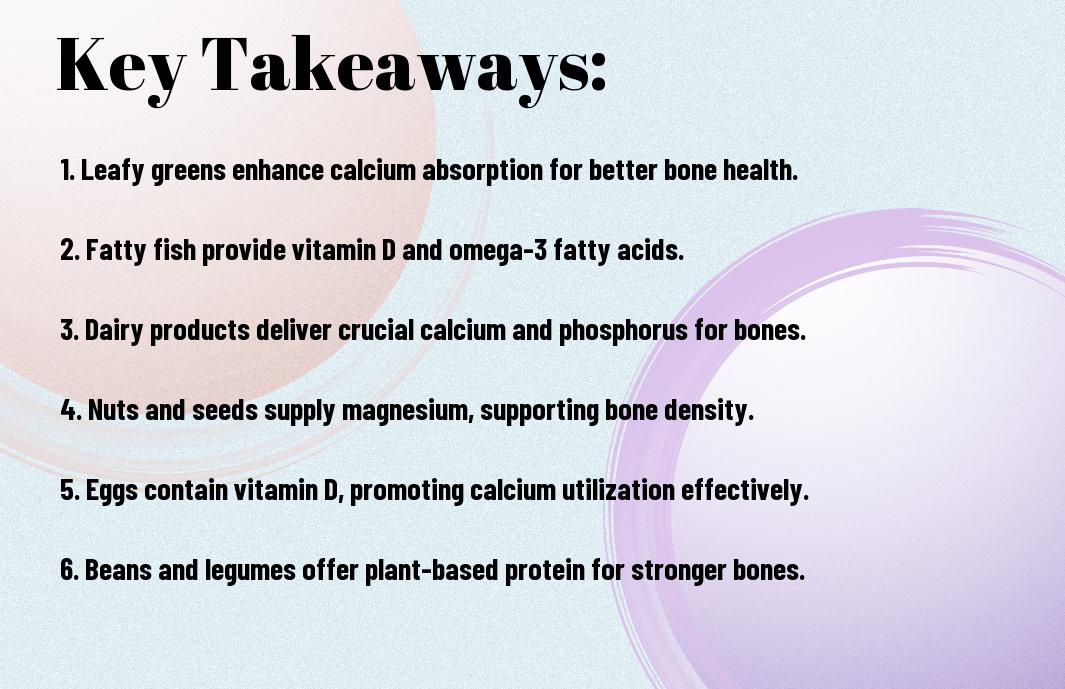
Key Takeaways:
- Dairy Products: Foods like milk, yogurt, and cheese are high in calcium, vital for bone density.
- Leafy Greens: Vegetables such as kale, spinach, and collard greens are rich in vitamins K and C, which support bone health.
- Fatty Fish: Salmon and sardines provide omega-3 fatty acids and vitamin D, both vital for strong bones.
- Nuts and Seeds: Almonds and chia seeds offer magnesium and healthy fats, contributing to overall bone strength.
- Whole Grains: Foods like quinoa and brown rice contain various nutrients, including fiber and magnesium, beneficial for bones.
The Importance of Bone Health
While you may often overlook bone health, it plays a vital role in your overall well-being. Strong bones support your body, protect your organs, and allow you to engage in daily activities with ease. As you age, your bones can become more fragile, increasing the risk of fractures and osteoporosis. By prioritizing your bone health now, you can set a solid foundation for a more active and fulfilling life in the future. Incorporating bone-strengthening foods into your diet is an imperative step in maintaining your bone density and supporting your body’s structure.

Key Nutrients for Strong Bones
Clearly, the building blocks of strong bones are crucial nutrients, each playing a vital role in your skeletal health. A balanced intake of these nutrients can significantly enhance bone density and overall strength. Among these nutrients, calcium and vitamin D stand out as particularly important, supporting not only bone growth but also long-term preservation of bone integrity. Incorporating foods rich in these nutrients into your diet will empower you to maintain robust bone health as you age.
Calcium
After all, calcium is the most well-known nutrient for bone health, making up a significant portion of your bone structure. By consuming dairy products like milk, yogurt, and cheese, along with leafy greens and fortified foods, you can ensure that your body receives adequate calcium for maintaining strong bones.
Vitamin D
Below, vitamin D plays an crucial role in calcium absorption, making it vital for your bone density. Without sufficient vitamin D, your body struggles to utilize calcium effectively, which may lead to weakened bones. Sun exposure and dietary sources, such as fatty fish, fortified cereals, and egg yolks, can help you achieve the necessary levels of vitamin D.
And, some people may find it challenging to get enough vitamin D through sunlight and diet alone, especially in regions with limited sun exposure. In such cases, vitamin D supplements can be beneficial. Consulting with a healthcare professional can help you determine the right dosage and ensure your levels are optimal for bone health. Prioritizing both calcium and vitamin D in your diet is a proactive step towards maintaining strong and healthy bones.
Top 10 Foods for Building Stronger Bones
Any food you choose can contribute to a diet that supports your bone health, but some stand out for their exceptional benefits. Incorporating these top 10 foods into your meals can enhance your bone density and overall strength. From leafy greens to fortified options, each category brings unique nutrients important for maintaining strong bones.
Leafy Greens
Stronger bones thrive on the vitamins and minerals found in leafy greens like kale, spinach, and collard greens. These vegetables are excellent sources of calcium and vitamin K, both vital for bone health. Adding these greens to your daily meals can significantly boost your nutritional intake.
Fatty Fish
Around seafood lovers, fatty fish like salmon and sardines shine for their omega-3 fatty acids and vitamin D, which are both beneficial for bone density. These nutrients help your body absorb calcium efficiently, contributing to stronger bones.
Fatty fish not only provides important fatty acids but also supports overall health. The vitamin D found in these fish is particularly important as it aids in the calcium absorption needed for bone strength. Including fatty fish in your diet a couple of times a week can make a noticeable difference in your bone health.
Dairy Products
The benefits of dairy products extend beyond taste; they are packed with calcium and protein important for bone structure. Consuming options like yogurt, cheese, and milk can help meet your daily calcium goals and promote stronger bone formation.
In addition to calcium, dairy products are rich in probiotics, particularly in fermented options like yogurt. These probiotics can facilitate nutrient absorption and gut health, further supporting your bone integrity by ensuring your body utilizes nutrients effectively.
Nuts and Seeds
On the topic of nutrient-dense snacks, nuts and seeds such as almonds, chia seeds, and flaxseeds are fantastic for bone building. Rich in magnesium, calcium, and healthy fats, they provide important nutrients that promote stronger bones and overall health.
Hence, incorporating a variety of nuts and seeds into your diet can be easy and delicious. You can sprinkle them on oatmeal, blend them into smoothies, or enjoy them as a snack to ensure that you are getting those vital minerals needed for optimal bone health.
Fortified Foods
Fish and other fortified foods, like cereals and plant-based milk, play a significant role in bone health. They often contain added calcium and vitamin D to ensure you meet your daily requirements easily. Choosing these foods can enhance your nutrient intake without much effort.
Another advantage of fortified foods is their broad availability, making it easy for you to find options that fit your dietary preferences. Whether you are looking for almond milk or fortified orange juice, there are many choices to help you along your bone-strengthening journey.
Beans and Lentils
Fortified with minerals and vitamins, beans and lentils are a fantastic addition to your diet and are especially valuable for bone health. High in protein, fiber, calcium, and magnesium, they offer considerable benefits for maintaining strong bones.
Also, their versatility makes beans and lentils easy to include in various dishes, from salads to soups. Incorporating them into your meals not only helps in building bones but also supports overall health with their nutrient-rich profile.
Whole Grains
On your journey to better bone health, don’t overlook whole grains that are beneficial for bones. Whole grains like quinoa, brown rice, and whole wheat bread provide B vitamins and fiber, contributing to healthier bones and overall well-being.
Products made from whole grains also contain important minerals like magnesium, which plays a vital role in calcium absorption. By including whole grains in your diet, you work towards creating a well-rounded nutritional profile that supports your bones.
Fruits
Nuts and seeds might be great for bone health, but fruits also play a significant role. Citrus fruits, berries, and apples are rich in vitamin C and other antioxidants instrumental in collagen formation, which is important for bone durability.
It is important to consider a colorful variety of fruits to obtain a wide range of nutrients. Adding fruits to your diet not only benefits your bone health but also helps boost your immune system and overall wellness.
Tofu and Other Soy Products
Tofu and other soy products are excellent sources of calcium and magnesium, two crucial minerals for bone health. Incorporating these plant-based proteins into your diet can help you maintain stronger bones and promote a balanced intake of nutrients. From firm tofu stir-fries to silky smoothies that include soy milk, these versatile ingredients can easily fit into your meals, supporting your bone density while offering additional health benefits such as cardiovascular health.
Mushrooms
Between vitamin D and potassium, mushrooms are a powerhouse for bone health. Certain varieties, such asshiitake and maitake, contain more vitamin D than most foods, which is vital for calcium absorption in your body. When exposed to sunlight, mushrooms can synthesize this important nutrient, making them an excellent addition to your diet, especially if you follow a plant-based lifestyle. Incorporating mushrooms into your meals can give your bones the support they need.
Lifestyle Factors Affecting Bone Health
All aspects of your lifestyle can significantly influence your bone health. It’s vital to consider various factors that can either strengthen or weaken your bones:
- Physical activity level
- Dietary habits
- Smoking status
- Alcohol consumption
- Body weight
- Sun exposure for vitamin D
- Stress management
- Genetics
Any changes you make in these areas can have a profound impact on the strength and health of your bones.
Common Myths About Bone Health
Keep in mind that bone health is often surrounded by misconceptions that can mislead you. For instance, many believe that only dairy products can provide the calcium needed for strong bones, but numerous plant-based options can also contribute effectively. Additionally, some think that weightlifting is the only way to strengthen bones, while activities like walking and yoga can also have significant benefits. To enhance your understanding, try these 22 bone strengthening foods to diversify your diet and support your skeletal health.
Bone Health Across Different Life Stages
Once again, your bone health evolves as you progress through different life stages. In childhood and adolescence, your bones are rapidly growing, making adequate calcium and vitamin D necessary for strong development. As you reach adulthood, maintaining bone density becomes your priority, and a balanced diet rich in nutrients plays a key role. For women during menopause, hormonal changes can affect bone strength, so it’s vital to focus on foods that help counteract this. In later years, ensuring your diet continues to support bone integrity can help reduce the risk of fractures and osteoporosis.
Summing up
Hence, incorporating these top 10 foods into your diet can significantly enhance your bone health. By focusing on nutrient-rich options like dairy, leafy greens, nuts, and fish, you will be providing your body with the vital vitamins and minerals needed for stronger bones. Prioritizing these foods can lead to improved bone density and overall health, ensuring you maintain an active lifestyle for years to come.
FAQ
Q: What is the importance of calcium in bone health?
A: Calcium is a vital mineral that plays a significant role in building and maintaining strong bones. Approximately 99% of the body’s calcium is stored in the bones and teeth. Consuming adequate amounts of calcium-rich foods helps to strengthen the bone matrix and reduces the risk of fractures and osteoporosis as individuals age. Foods such as dairy products, leafy greens, and fortified plant milks are excellent sources of calcium.
Q: How does vitamin D contribute to bone strength?
A: Vitamin D is crucial for the absorption of calcium in the intestines. Without sufficient vitamin D, the body cannot effectively utilize calcium from food, which can lead to weakened bone structure. This vitamin can be obtained through sunlight exposure, dietary sources such as fatty fish, egg yolks, and fortified foods, or through supplements when necessary. Adequate levels of vitamin D support optimal bone density and overall skeletal health.
Q: Can a plant-based diet support bone health?
A: Yes, a plant-based diet can provide crucial nutrients that support bone health if it includes a variety of foods rich in calcium, vitamin D, magnesium, and other vital nutrients. Foods such as leafy green vegetables, nuts, seeds, and fortified plant milks are excellent plant-based sources of these nutrients. Including legumes and whole grains can also contribute to bone density. It’s important for individuals following a plant-based diet to ensure they are getting enough of these key nutrients to maintain strong bones.