Wellness is greatly influenced by the amount of hydration you maintain on a daily basis. While water is the most commonly recommended source for hydration, your options extend far beyond just a glass of H2O. Incorporating a variety of beverages and hydrating foods can enhance your fluid intake and improve your overall health. In this blog post, you will discover practical tips and creative alternatives to help you stay hydrated and energized throughout the day.
Key Takeaways:
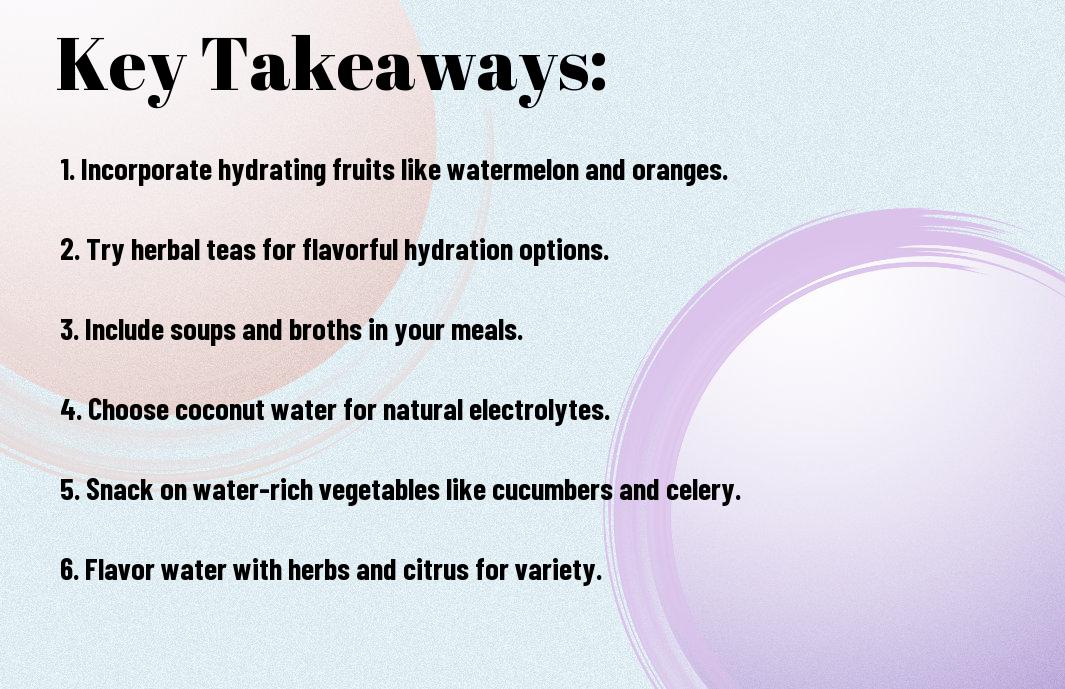
- Incorporate Foods: Including fruits and vegetables like watermelon, cucumbers, and oranges can boost hydration levels.
- Explore Alternatives: Herbal teas and infused waters offer tasty ways to hydrate while adding variety.
- Set Reminders: Use phone alarms or apps to encourage regular drinking intervals throughout the day.
- Monitor Intake: Keep track of your hydration targets, aiming for a mix of fluids throughout the day.
- Adjust for Activity: Increase fluid intake during exercise or on hot days to maintain hydration balance.
Understanding Hydration
Your body relies on hydration for nearly every biological function, making it imperative to understand how to maintain optimal fluid levels. Hydration involves more than simply drinking water; it encompasses the balance of fluids that are vital for regulating body temperature, supporting organ function, and facilitating nutrient transport. By recognizing the various sources of hydration and their impacts on your health, you can develop a more comprehensive approach to staying well-hydrated.
Importance of Hydration
Any lack of adequate hydration can lead to various health issues, affecting everything from energy levels to cognitive function. Staying hydrated helps maintain your body’s electrolyte balance, supports digestion, and enhances physical performance. It also plays a role in skin health and detoxification, making it fundamental to your overall well-being.
Signs of Dehydration
Hydration is often overlooked until the signs of dehydration become apparent. These signs can include dry mouth, fatigue, dizziness, and dark yellow urine. If you find yourself feeling more thirsty than usual, it’s a warning signal that your body is low on fluids. Monitoring these symptoms allows you to take proactive measures to rehydrate effectively.
Indeed, recognizing signs of dehydration can be vital for your well-being. In addition to the common symptoms like fatigue and headaches, watch for increased irritability or difficulty concentrating, as these can also indicate that you need more fluids. When your body is not adequately hydrated, it can lead to decreased physical performance and prolonged recovery times. Staying attuned to these signals enables you to prioritize hydration before more severe complications arise.
Hydrating Foods
Even though water is vital for hydration, incorporating hydrating foods into your diet can significantly boost your fluid intake. Many fruits and vegetables have high water content, helping you stay refreshed and replenish lost fluids. By adding these foods to your meals and snacks, you can improve your overall hydration without relying solely on drinking water throughout the day.
Fruits
Between the vibrant colors and sweet flavors, fruits like watermelon, oranges, and strawberries are packed with water. These fruits can not only satisfy your sweet cravings but also provide significant hydration. Eating them fresh or adding them to smoothies can enhance your fluid intake while offering vital vitamins and minerals.
Vegetables
Among the various options for hydrating foods, vegetables also play an important role. Veggies like cucumbers, lettuce, and zucchini contain up to 95% water, making them excellent choices for hydration. Incorporating them into salads, snacks, or smoothies ensures you get vital nutrients while helping maintain your hydration levels. Notably, they are low in calories, so you can enjoy them generously without worry.
Fruits can be a delightful and effective way to increase your hydration. Options like cantaloupe and grapes add not only water to your diet but also vital nutrients. You can easily incorporate these hydrating fruits into your daily meals and snacks, combining them in fruit salads or enjoying them as a refreshing snack, maximizing their benefits for your hydration goals.
Beverages Beyond Water
To keep your hydration levels up, consider exploring a variety of beverages beyond plain water. Options like herbal teas, electrolyte drinks, and natural fruit-infused waters can diversify your intake. These alternatives not only add flavor but also provide additional health benefits. Incorporating such beverages into your daily routine can create a more enjoyable hydration experience while ensuring you stay adequately hydrated.
Herbal Teas
Water-based herbal teas are an excellent way to stay hydrated, offering a range of flavors and benefits without caffeine. Whether it’s chamomile for relaxation or peppermint for digestion, you can enjoy these infusions hot or iced. They have no calories and can be consumed throughout the day, benefiting your overall wellness while keeping your hydration levels up.
Electrolyte Drinks
Along with enhancing hydration, electrolyte drinks help replenish lost minerals, especially after exercise or on hot days. These beverages often contain a mix of sodium, potassium, and magnesium to support fluid balance within your body.
And choosing the right electrolyte drink is crucial. Look for options that are low in sugar and contain natural ingredients, as these will provide the necessary electrolytes without the added calories. Whether you prefer sports drinks or homemade options with a pinch of salt and a splash of juice, incorporating these drinks can help enhance your hydration strategy, especially during physical activity or warmer weather.
Daily Hydration Goals
After understanding the importance of hydration, setting daily hydration goals is necessary for maintaining optimal health. Aim for at least half your body weight in ounces of water each day, which can typically be adjusted based on your activity level, climate, and dietary habits. Establishing clear goals can help you become more mindful of your fluid intake, making it easier to incorporate hydration into your routine.
Calculating Your Needs
Daily hydration needs vary from person to person and depend on several factors such as body weight, age, and lifestyle. To calculate your specific hydration needs, a general guideline is to aim for about 0.5 to 1 ounce of water for every pound of body weight. This will provide a baseline for how much water and other hydrating beverages you should consume daily.
Factors Affecting Hydration
Between exercise, environment, and nutritional choices, various factors can impact your hydration levels. Key influences include:
- Physical activity level
- Weather conditions (heat/humidity)
- Diet (high-salt or high-protein foods)
- Alcohol and caffeine intake
Any of these elements can increase your fluid needs, making it even more important to stay mindful of your hydration throughout the day.
As you navigate your hydration journey, pay close attention to these influencing factors. Consider how different activities might require you to adjust your fluid intake accordingly. You may find that you need to drink more on days you exercise intensely or in hot weather. Likewise, certain foods can impact your body’s hydration levels. For instance, salty snacks can sequester water, increasing your necessary intake. Keeping abreast of these contributing elements can help you optimize your hydration strategy.
- Exercise duration and intensity
- Your body’s acclimatization to heat
- Altitude and elevation
- Your overall health status
Any of these conditions can significantly alter your hydration needs, emphasizing the importance of staying attentive to your body’s signals.
Creative Hydration Tips
Many overlook the variety of ways to stay hydrated beyond just drinking water. Here are some creative hydration tips to boost your fluid intake:
- Drink herbal teas, which are naturally caffeine-free.
- Enjoy smoothies packed with fruits and vegetables.
- Add coconut water for a refreshing twist.
- Try flavored sparkling water for a bubbly alternative.
- Snack on hydrating fruits like watermelon and cucumber.
This will keep your hydration enjoyable and effective!
Infused Water Ideas
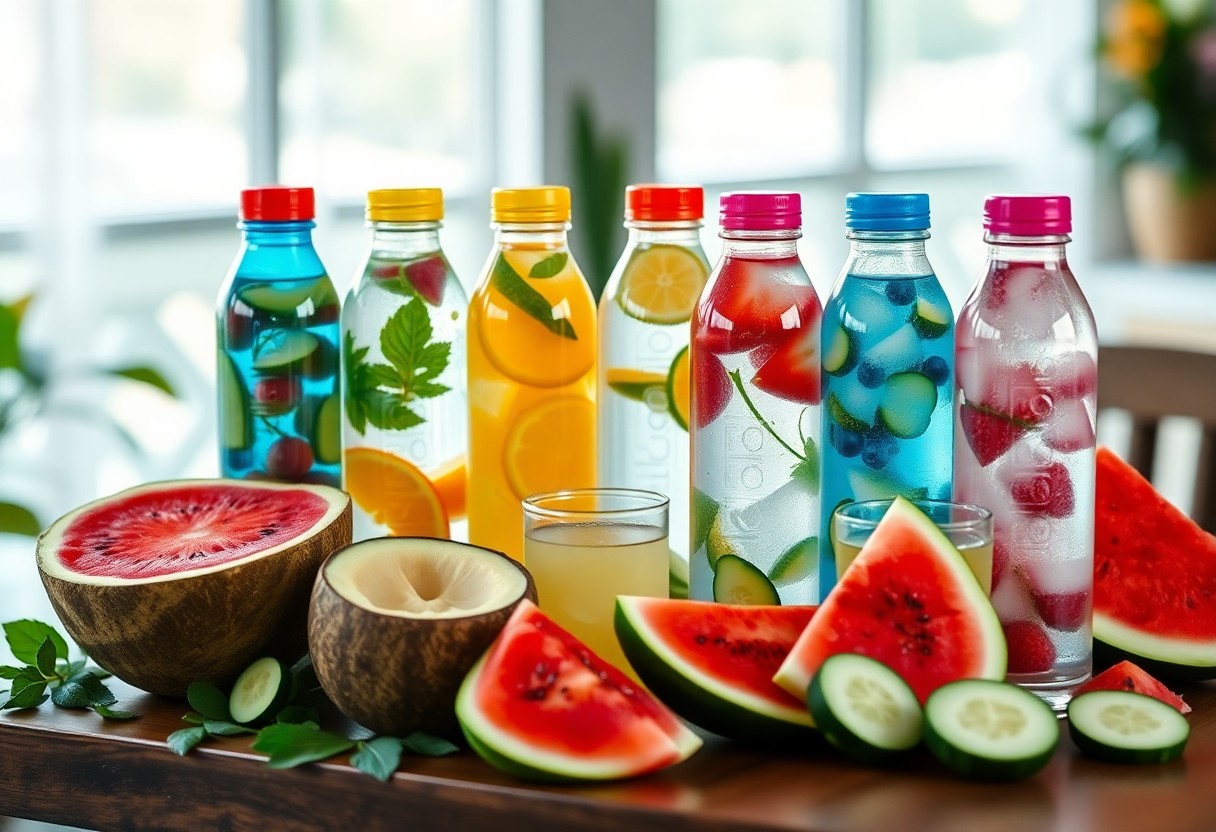
Along the way, you can elevate your hydration game with infused water recipes. Combine your favorite fruits and herbs, such as lemon and mint or strawberries and basil, to create naturally flavored water. Infused water not only makes drinking easier, but it also adds vital vitamins and minerals, providing a refreshing experience that will encourage you to sip throughout the day.
Soups and Broths
On another note, soups and broths are delicious strategies for enhancing your hydration. Consider options like chicken broth, vegetable soup, or your favorite hearty chili.
Hydration can come from food as well. Soups and broths are largely composed of water and can significantly contribute to your daily fluid intake. They can be nutritious and filling, making them a perfect choice for a meal or snack. Experimenting with different recipes allows you to maintain variety in your diet while promoting adequate hydration. Incorporating these into your routine can transform your approach to staying hydrated.
Hydration and Activity Levels
Unlike sedentary lifestyles, your activity levels significantly affect your hydration needs. The more physically active you are, the more fluids your body loses through sweat, which can lead to dehydration if not properly managed. To maintain optimal performance and prevent fatigue during workouts, it’s necessary to adjust your fluid intake according to your physical exertion. Paying close attention to how you feel and rehydrating effectively can enhance your overall wellness and improve your exercise outcomes.
Pre-, During-, and Post-Exercise Hydration
At every stage of your workout, hydration plays an necessary role. Before starting, you should hydrate adequately to prepare your body for activity. During exercise, sip on fluids to replace lost electrolytes and maintain endurance. After your workout, replenish lost fluids and aid recovery by drinking enough water or electrolyte-rich drinks. Tailoring your hydration strategy to these three phases can significantly enhance your overall performance.
Hydration for Different Climates
Above all, understanding how climate affects your hydration needs is necessary. In hot, humid environments, your body sweats more, leading to a higher loss of fluids and salts. Conversely, in cold climates, you may not feel as thirsty but still lose moisture through respiration and sweat. Adjusting your hydration strategies according to the climate you are in will help you maintain consistent levels of hydration.
It’s important to tailor your hydration approach based on climate conditions. In hot weather, prioritize electrolyte-rich beverages to replenish lost salts and stay hydrated. Increase your fluid intake as temperatures rise and consider cooling down with hydrating foods like fruits and vegetables. In colder climates, focus on drinking warm fluids to encourage intake and counter evaporation from respiration. Taking these climate-based adjustments into account ensures you stay properly hydrated and supports your health throughout the year.
Final Words
Hence, staying hydrated extends beyond just drinking water. By incorporating hydrating foods like fruits and vegetables into your meals and considering hydrating beverages like herbal teas or infused waters, you can effectively enhance your fluid intake. Pay attention to your body’s signals, adjust your hydration habits based on your activity levels, and utilize tools and apps if necessary to track your consumption. Your overall well-being depends on maintaining proper hydration, so make these changes a part of your daily routine to optimize your health.
Q: What are some alternative beverages that can help with hydration?
A: Beyond water, there are several beverages that can contribute to your hydration needs. Herbal teas, such as chamomile or peppermint, are caffeine-free options that can provide hydration along with additional health benefits. Coconut water is another excellent choice, rich in electrolytes and natural sugars. Additionally, milk and plant-based milk alternatives can offer hydration while also supplying vital nutrients like calcium and vitamin D. Smoothies made with fruits and vegetables can also be a delicious way to intake both fluids and vitamins.
Q: How do fruits and vegetables contribute to hydration?
A: Many fruits and vegetables contain a high water content, making them a fantastic way to stay hydrated. For example, watermelon, cucumbers, oranges, and strawberries are all composed of more than 90% water. Incorporating a variety of these foods into your diet not only helps with hydration, but also provides important vitamins and minerals. Snacking on these hydrating foods throughout the day can complement your water intake and keep you feeling refreshed.
Q: What are some strategies to increase hydration without drinking more water?
A: To enhance hydration without solely relying on water, consider incorporating flavorful components to your meals. Adding broth-based soups can boost your fluid intake significantly. Also, infusing water with fruits, herbs, or slices of citrus can add taste, encouraging you to consume more fluids. Eating foods that are known for their hydrating properties, such as yogurt or gelatin-based desserts, can also be effective. Setting reminders to consume these hydrating foods regularly can foster better fluid intake throughout your day.