sugar

How to Curb Sugar Cravings with Healthy Swaps

Over time, excessive sugar consumption can lead to various health issues, making it imperative for you to find better alternatives. This blog post will guide you in making healthier swaps that satisfy your sweet tooth while keeping your cravings at bay. By incorporating these simple changes into your daily routine, you can take control of your palate and promote overall well-being. To further support your journey, check out A Simple 3-Step Plan to Stop Sugar Cravings for effective strategies.

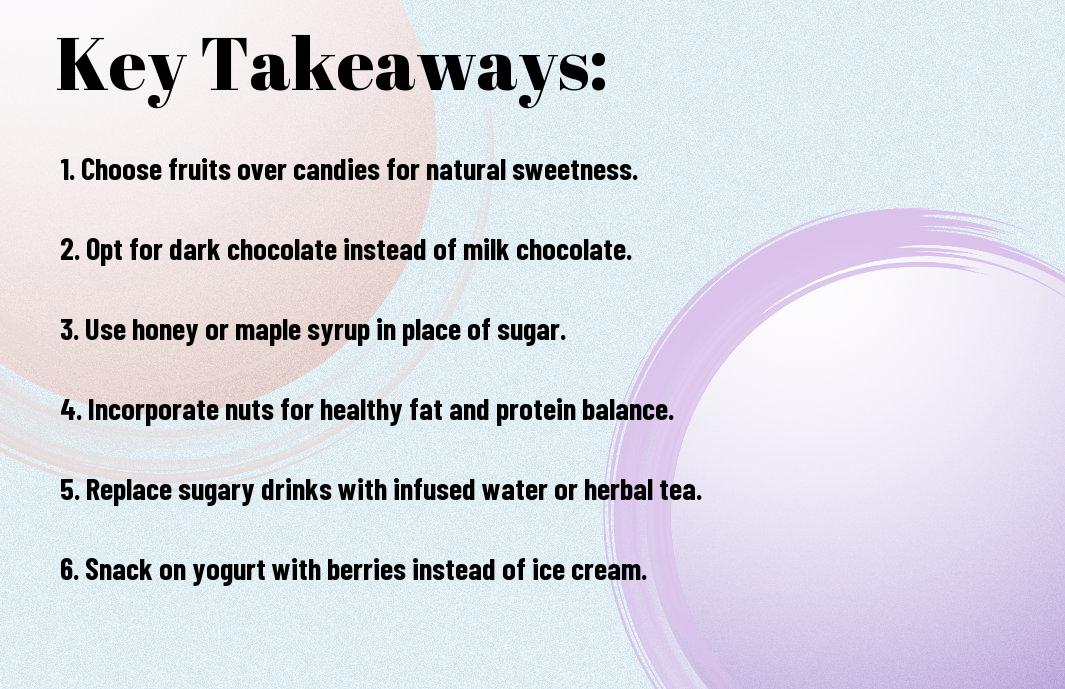
Key Takeaways:

  • Identify Triggers: Recognize situations or emotions that lead to sugar cravings and find alternative activities to engage in.
  • Healthy Swaps: Replace sugary snacks with healthier options like fruits, nuts, or yogurt to satisfy your sweet tooth.
  • Stay Hydrated: Drink plenty of water throughout the day, as thirst can often be mistaken for hunger or sugar cravings.
  • Balanced Meals: Include protein, healthy fats, and fiber in your meals to maintain energy levels and prevent sudden sugar cravings.
  • Mindful Eating: Practice mindful eating by savoring each bite, which can help reduce the desire for excess sugar.
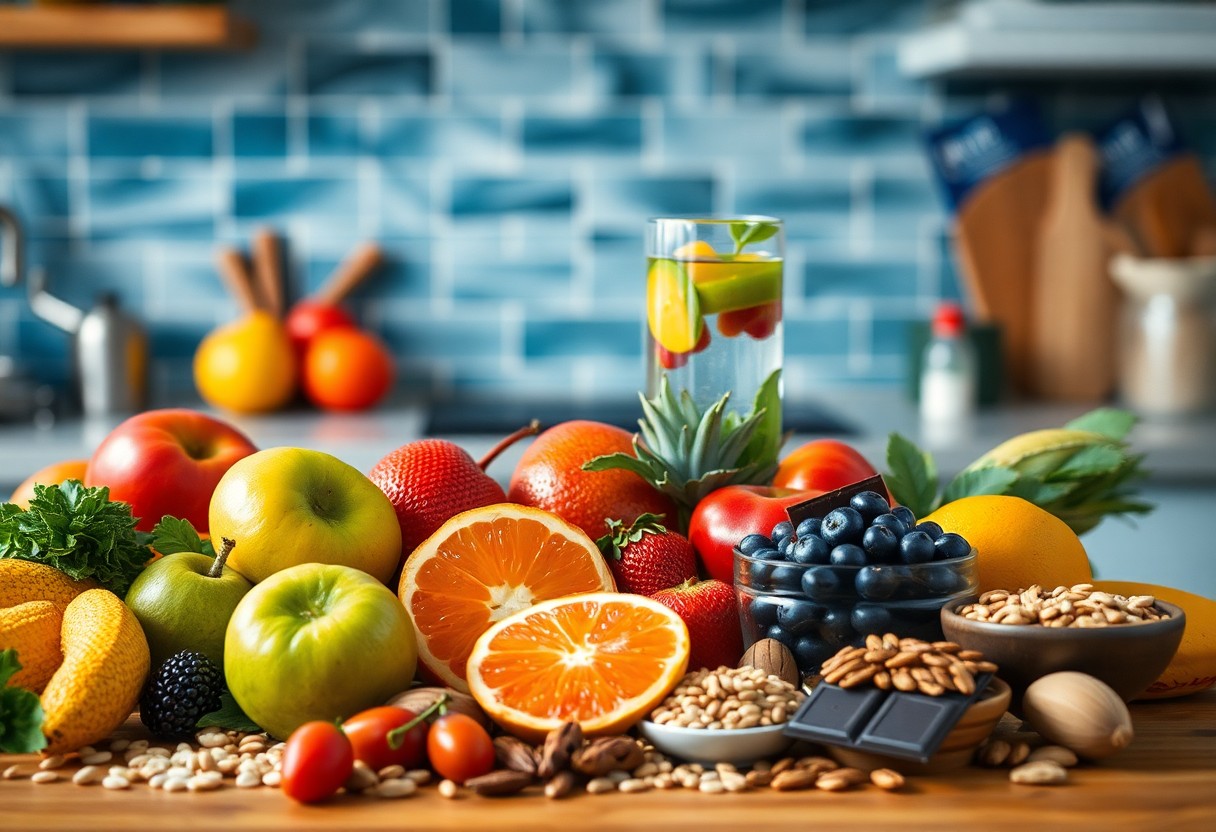
curb sugar cravings with healthy swaps

curb sugar cravings with healthy swaps tdm

Understanding Sugar Cravings

Before you can effectively manage sugar cravings, it’s necessary to understand what drives them. Sugar cravings can arise from various factors such as emotional triggers, dietary habits, and hormonal fluctuations. Often, you find yourself reaching for sugary snacks when you’re stressed, tired, or bored, making it important to recognize these triggers for better control.

What Causes Sugar Cravings?

Beside emotional factors, your food choices and lifestyle play significant roles in sugar cravings. A diet high in refined sugars can lead to a cycle of rapid blood sugar spikes and crashes, causing your body to crave more sugar for quick energy. Additionally, habits such as skipping meals can leave you feeling deprived, making sweet treats more tempting.

The Impact of Sugar on Health

Sugar is not just a sweet indulgence; it can significantly affect your overall health. High sugar intake is linked to various health issues such as obesity, type 2 diabetes, and heart disease. Over time, excessive sugar consumption can lead to insulin resistance, increased fat storage, and inflammation, all of which can be detrimental to your long-term health and well-being.

Sugar is also known to affect your mood and energy levels. Initially, it may give you a quick boost, but that is often followed by a crash that leaves you feeling fatigued and irritable. This rollercoaster effect can exacerbate cravings, leading you to reach for more sugary foods. By being aware of these effects, you can make more informed choices about what you eat and how it affects your body.

Ready-to-Swap Foods

Some common foods can easily be swapped out for healthier alternatives, helping you manage sugar cravings effectively. By choosing whole, nutrient-dense options over processed snacks, you’ll provide your body with the satisfaction it craves without the side effects of excess sugar. From replacing sugary cereals with hearty oats to swapping soda for infused water, these changes can make a significant difference in your overall well-being.

Healthy Alternatives to Sugary Snacks

An effective way to tackle sugar cravings is by opting for healthy substitutes that satiate your sweet tooth without turning to processed snacks. For example, consider snacking on fresh fruits, nuts, or yogurt instead of candy or cookies. These alternatives not only satisfy your cravings but also provide vital nutrients that contribute to your health.

Low-Sugar Drink Options

Below are some drink alternatives that can keep your beverage choice both tasty and low in sugar. Instead of reaching for sugary sodas or flavored coffees, consider beverages like herbal teas, sparkling water with a splash of citrus, or smoothies made with unsweetened almond milk. By making these swaps, you can enjoy refreshing drinks without the added sugar count.

In fact, choosing low-sugar drink options helps reduce your overall sugar intake significantly. By limiting sugary beverages, you not only decrease excess calories but also improve your hydration. Exploring flavor infusions such as cucumber, mint, or berries in water can enhance your drinking experience without compromising your health goals. Opting for drinks with minimal added sugars or natural sweetness can help shift your palate and reinforce better choices in your diet.

Incorporating Natural Sweeteners

Not all sweeteners are created equal, and incorporating natural sweeteners into your diet can help satisfy your sweet tooth without the drawbacks of refined sugars. Options such as honey, maple syrup, and agave nectar provide flavor along with some nutritional benefits. You can easily swap these natural alternatives in recipes, yogurt, or beverages to curb those sugar cravings while enhancing taste with healthier ingredients.

Benefits of Natural Sweeteners

Natural sweeteners offer a variety of advantages compared to their processed counterparts. They often retain some vitamins and minerals, provide antioxidants, and may even support your digestive health. Incorporating these sweeteners can help you reduce your overall sugar intake while still enjoying the sweetness you crave.

Choosing the Right Sweetener

Among the many natural sweeteners available, selecting the one that suits your taste and dietary needs is crucial. Options like stevia, monk fruit, and coconut sugar each bring their unique flavors and health benefits. You should consider factors like glycemic index, processing level, and how each option complements your favorite dishes.

The key to choosing the right sweetener lies in understanding how they impact your health and taste buds. For instance, stevia is a great calorie-free option ideal for those watching their weight, while coconut sugar provides a lower glycemic index alternative. Experiment with different natural sweeteners to find your perfect match, balancing taste and health to keep those cravings at bay.

Balancing Your Diet

For successful sugar craving management, it’s necessary to balance your diet with a wide range of nutrients. Incorporating a variety of foods helps stabilize blood sugar levels and reduces the likelihood of cravings. Focus on whole grains, lean proteins, healthy fats, and plenty of fruits and vegetables to keep your energy steady and your body satisfied. By paying attention to portion sizes and ensuring you have balanced meals, you create a solid foundation for curbing those pesky sugar cravings.

Importance of Whole Foods

Foods that are minimally processed, like whole grains, fruits, and vegetables, play a significant role in your nutrition. They provide necessary vitamins, minerals, and fiber that help maintain balanced blood sugar levels, ultimately reducing your urge for sugary snacks. Whole foods nourish your body and offer sustained energy, which can help you feel more satisfied and less tempted to reach for high-sugar alternatives.

Meal Planning for Reduced Sugar

Across your journey to curb sugar cravings, effective meal planning can make a notable difference. By preparing meals in advance, you can control ingredient choices and portion sizes, prioritizing whole foods while minimizing added sugars. This strategy empowers you to make healthier decisions throughout the week, leaving less room for impulsive snacking and cravings.

To take your meal planning a step further, consider dedicating a day each week to prepare meals and snacks in advance. Create a balanced meal plan with options such as grilled chicken with quinoa and steamed vegetables or a hearty vegetable soup. Snack on yogurt with fresh fruit or hummus with whole-grain crackers instead of sugary treats. By having pre-prepared meals and snacks readily available, you equip yourself to resist cravings, making it easier to stick to healthier choices without feeling deprived.

Mindful Eating Techniques

After adopting mindful eating techniques, you can significantly reduce sugar cravings. This approach encourages you to engage fully with the eating experience, allowing you to savor every bite. By focusing on your meal without distractions, such as screens or multitasking, you become more attuned to your hunger and satiety cues, making it easier to choose healthier options and enjoy treats in moderation.

Recognizing Emotional Triggers

By understanding your emotional triggers, you can identify when you reach for sugary snacks as a source of comfort. Keep track of your feelings and cravings, as this awareness helps you differentiate between physical hunger and emotional needs. This insight empowers you to make intentional choices that align with your health goals.

Strategies for Mindful Eating

By implementing specific strategies for mindful eating, you can develop a healthier relationship with food. Techniques like slower eating, engaging your senses, and portion control not only enhance your meal satisfaction but also promote more balanced eating habits. You’ll begin to notice your body’s signals more readily, helping you make informed decisions.

The goal of these strategies is to foster a deeper connection with your meals. Start by allocating time for your meals, eliminating distractions, and practicing gratitude for your food. Chew your food thoroughly to appreciate its flavors and textures, and pause between bites to truly engage with your body’s signals. These practices can empower you to make choices that align with your well-being, ultimately leading to decreased sugar cravings.

Practical Tips for Lasting Change

Now is the time to take actionable steps toward managing your sugar cravings. Incorporate these practical tips into your routine:

  • Drink water when cravings hit.
  • Prepare healthy snacks in advance.
  • Identify triggers and plan for them.
  • Keep a food journal to track progress.

Knowing these strategies can help you build new habits that last.

Setting Realistic Goals

On your journey to curb sugar cravings, setting realistic goals is key. Start by reducing sugar gradually rather than eliminating it entirely. Aim for small, manageable targets, like cutting out one sugary snack each day, and celebrate your achievements to stay motivated.

Building a Supportive Environment

Any changes you make are easier with a supportive environment. Surround yourself with people who encourage your healthy choices and share similar goals. Having friends or family join you in your commitment can make a significant difference in your success.

Due to the influence of your environment, stocking your kitchen with healthy options and removing temptation can dramatically reduce sugar cravings. Engage your loved ones in your journey by discussing your goals and encouraging each other. This collaboration not only fosters accountability but creates a positive atmosphere centered on health and wellness.

Final Words

Summing up, you can effectively curb your sugar cravings by making simple, healthy swaps in your diet. Opt for natural sweeteners like honey or maple syrup instead of refined sugar, and choose fruits to satisfy your sweet tooth. Incorporating whole foods, like nuts and yogurt, can help keep your energy stable and reduce your desire for sugary snacks. By making these adjustments, you can enjoy satisfying flavors without compromising your health, leading to improved energy levels and overall well-being.

Q: What are some effective healthy swaps for sugary snacks?

A: To help curb sugar cravings, consider replacing sugary snacks with nutrient-dense options. For example, you can swap out candy bars for a piece of dark chocolate, which contains less sugar and has beneficial antioxidants. Instead of sugary granola bars, try making your own with oats, nuts, and a drizzle of honey, or opt for apple slices with almond butter as a satisfying snack. These alternatives provide natural sweetness and healthier nutrients, helping to keep cravings in check.

Q: How can I satisfy my sweet tooth without added sugar?

A: One way to satisfy your sweet tooth is by incorporating fruits into your diet. Fresh fruits like berries, bananas, and apples offer natural sugars along with vitamins and fiber, making them an excellent choice. You can also explore using ripe mashed bananas or unsweetened applesauce as a natural sweetener in baking. Additionally, spices such as cinnamon or vanilla extract can enhance the sweetness in dishes without the need for added sugars.

Q: What drinks can help reduce sugar cravings?

A: Opting for drinks that balance hydration and sweetness can help manage sugar cravings. Herbal teas, such as peppermint or chamomile, can be both soothing and satisfying. If you prefer a little sweetness, consider infusing water with slices of citrus or berries. This not only adds a hint of flavor but offers antioxidants as well. You might also explore unsweetened almond or coconut milk, which can be a delicious alternative to sugary beverages while still being satisfying.

The Truth About Diet Sodas and Sugar Substitutes

Many people turn to diet sodas and sugar substitutes as a way to cut calories while satisfying their sweet tooth. However, you may wonder about the long-term effects these products have on your health and weight management goals. In this post, we will explore the science behind artificial sweeteners, their impact on your body, and whether they truly deliver on their promise of a healthier lifestyle. Understanding the facts can help you make informed choices about what you drink and eat.

Key Takeaways:

  • Diet sodas often contain artificial sweeteners that can impact metabolism and hunger, leading some to consume more calories overall.
  • Many studies suggest that artificial sweeteners may alter gut bacteria, potentially affecting overall health and weight management.
  • While considered lower in calories, diet sodas may not be a suitable substitute for water or natural beverages, which provide better hydration and nutrients.

diet sodas and sugar substitutes explained nii

The Science Behind Diet Sodas

Your understanding of diet sodas begins with their composition and how they interact with your body. These beverages are often marketed as low-calorie alternatives to sugary drinks, but that doesn’t tell the whole story. The truth lies in their ingredients and the metabolic effects they may have on your health.

Ingredients and Composition

Besides sweeteners that replace sugar, diet sodas contain a mix of acids, flavorings, and preservatives. Commonly used artificial sweeteners include aspartame, sucralose, and saccharin, which are designed to provide sweetness without the calories. These ingredients are generally recognized as safe, but their long-term effects are still a topic of debate among researchers.

Metabolic Effects

Any consumption of diet sodas can lead to varying metabolic effects within your body. While you may enjoy the sweet taste without the calories, studies suggest that these beverages might influence insulin sensitivity and hunger cues, ultimately impacting your overall health.

Plus, you should be aware that regular consumption of diet sodas may lead to cravings for sweet foods, potentially resulting in weight gain or unhealthy eating habits. Some research indicates that artificial sweeteners can confuse the brain’s ability to regulate calorie intake, allowing you to consume more calories overall. This disconnect can undermine your weight management efforts, emphasizing the importance of considering diet sodas carefully within your dietary choices.

Understanding Sugar Substitutes

There’s a wide range of sugar substitutes available today, often marketed as healthier alternatives to traditional sugar. These sweeteners aim to provide you with the sweetness you crave without the added calories of sugar. Understanding the differences, benefits, and potential drawbacks of each type can help you make informed choices regarding your diet.

Types of Sugar Substitutes

There’s a variety of sugar substitutes that you may encounter in your food and beverage choices. Here’s a quick overview:

  • Stevia
  • Sucralose
  • Aspertame
  • Sorbitol
  • Xylitol

Assume that each type has a unique composition, sweetness level, and caloric impact.

Type Calories
Stevia 0
Sucralose 0
Aspartame 4
Sorbitol 2.6
Xylitol 2.4

Health Implications

Sugar substitutes often come with a set of health implications that you should be aware of. While they may reduce caloric intake and help with weight management, some may also lead to digestive discomfort or metabolic changes. It’s important to consider how each sweetener affects your body individually.

Another aspect to be mindful of is the potential impact of sugar substitutes on your cravings and overall dietary habits. Some studies suggest that consuming these artificial sweeteners may lead you to develop an increased preference for sweetness, which could complicate your efforts to reduce sugar consumption in the long run. Understanding these dynamics will empower you to make better choices for your health.

Impact on Weight Management

Not all calories are created equal, and while diet sodas may offer a low-calorie alternative, they can still have an unexpected influence on your weight management journey. Research indicates that consuming low-calorie sweeteners might lead to increased cravings or a tendency to overindulge elsewhere in your diet. Furthermore, the psychological impact of “having a diet soda” can sometimes provide a false sense of allowance, making you more inclined to snack or choose higher-calorie foods, potentially hindering your weight goals.

Diet Sodas vs. Regular Sodas

Sodas are often seen as a battle between diet and regular varieties, with diet sodas providing a no-calorie option for those looking to cut back on sugar. However, the absence of calories in diet sodas can lead to other complications, including shifts in appetite regulation and metabolic responses that may counteract your weight management efforts.

Caloric Intake and Weight Loss

Any weight loss plan revolves around the principle of caloric intake. The idea is to consume fewer calories than you burn, making diet sodas tempting as they seemingly reduce your overall intake. However, the effectiveness of diet sodas in promoting weight loss can be misleading, as studies suggest they may not contribute to the expected outcomes. This paradox exists due to various factors, including psychological responses and the potential for increased hunger, leading you to offset any calorie savings with other food choices.

Plus, it’s vital to acknowledge that while diet sodas might help you cut calories in the short term, long-term benefits are less clear. Your body may react to artificial sweeteners in ways that stimulate appetite or cravings for sugary foods, potentially sabotaging your weight loss efforts. Therefore, it’s vital to monitor your overall dietary patterns and consider healthier beverage choices that align more closely with your weight management goals.

diet sodas and sugar substitutes explained zae

Psychological Effects of Diet Beverages

Despite being marketed as healthier alternatives, diet beverages can have unexpected psychological impacts. Many consumers mistakenly believe that consuming these drinks allows them to indulge in less healthy foods without any consequences. This dissonance can lead to overconsumption and a false sense of security regarding weight management and overall health.

Conditioning and Cravings

Behind the scenes, your body can become conditioned to the sweet taste of sugar substitutes. The brain often associates these flavors with the pleasure response that regular sugar induces, potentially increasing your cravings for sweet foods. As a result, while you’re consuming fewer calories, your desire for sugary snacks may actually intensify.

Perception of Health

Around the world, many people perceive diet sodas as a healthier choice, leading to a skewed understanding of what constitutes a balanced diet. This notion can cause you to overlook other vital aspects of your nutrition while relying on these drinks.

For instance, believing that diet sodas are healthier can lead you to choose them over more nourishing options like water or herbal teas. You might unconsciously justify consuming calorie-dense meals because you feel that the diet soda offsets the calories. This mindset can undermine your overall dietary goals, making it imperative to assess the true role of these beverages within your lifestyle. Adopting a more comprehensive view of nutrition can help you make better choices for your health.

Dietary Recommendations and Guidelines

Unlike regular sodas, diet sodas and sugar substitutes have specific dietary recommendations that you should consider. Nutritionists often suggest limiting your intake of artificial sweeteners to avoid potential health risks. It’s important to balance your overall diet with whole foods, such as fruits, vegetables, and whole grains, while keeping artificial sweeteners to a minimum for optimal health.

Experts’ Opinions

Below, various health experts express diverging views on the safety of diet sodas and sugar substitutes. While some advocate for their occasional use as a tool for reducing calorie intake, others caution against possible long-term effects, urging you to prioritize natural sweeteners or whole foods to maintain overall wellness.

Moderation Strategies

Behind successful dietary habits is the practice of moderation. You can incorporate diet sodas and sugar substitutes into your lifestyle by limiting consumption to special occasions and opting for naturally sweetened alternatives most of the time.

To effectively manage your intake, consider setting a personal limit on how often you indulge in diet sodas or sugar substitutes each week. Experiment with reducing the quantity slowly, allowing your taste buds to adapt. In addition, focus on hydrating with water, herbal teas, or sparkling water, which can help you decrease cravings for sweet beverages while promoting overall hydration and well-being.

Common Myths and Misconceptions

Once again, misconceptions about diet sodas and sugar substitutes permeate popular culture. You might have heard various claims that suggest these products are either a magic solution for weight loss or, conversely, harmful to your health. It’s necessary to sift through these myths and focus on the science behind what you consume. Understanding these misconceptions can help you make informed decisions about your diet and health.

Myths About Diet Sodas

Myths surrounding diet sodas often lead to misunderstandings about their effects. You might believe that drinking diet sodas can cause weight gain or that they’re inherently unhealthy. In reality, the findings on calorie-free beverages are mixed, and understanding their role in your overall health is important for making informed choices.

Misunderstandings of Sugar Substitutes

To clear up confusion regarding sugar substitutes, it’s worth addressing common beliefs that may not hold true. Many think these substitutes trigger cravings or lead to metabolic issues. However, the scientific evidence is often more nuanced than these general assumptions.

Substitutes like aspartame and stevia can provide a sweet taste without the calories of sugar, yet they are often vilified or misrepresented. Some studies indicate that they may not contribute to weight gain when consumed in moderation. However, individual reactions can vary, so being attentive to how your body responds to these substitutes is vital for maintaining a balanced diet. Educating yourself on their benefits and potential downsides can help you navigate your options wisely.

Summing up

Upon reflecting on the information surrounding diet sodas and sugar substitutes, it’s clear that while they may offer a lower-calorie alternative, you should be mindful of their potential impacts on your health and cravings. The science is still evolving, but being aware of how these products affect your metabolism and overall wellness can guide your choices. Ultimately, staying informed will empower you to make dietary decisions that align with your health goals and lifestyle preferences.

FAQ

Q: Are diet sodas a healthy alternative to regular sodas?

A: While diet sodas contain little to no calories and sugar, their long-term health effects are still being debated. Some studies suggest that artificial sweeteners found in diet sodas may have negative impacts on metabolism and gut health, while others indicate they can be used effectively for weight management. It’s vital to consider overall dietary habits and moderation when incorporating diet sodas into your lifestyle.

Q: Can sugar substitutes increase cravings for sweet foods?

A: Some research suggests that certain artificial sweeteners might lead to increased cravings for sweet foods. This is possibly due to the brain not receiving the same satisfaction it does from consuming regular sugar. However, individual responses to sugar substitutes can vary significantly. It’s beneficial to monitor personal feelings of hunger and cravings after consuming products with sugar substitutes to see how they affect your dietary choices.

Q: Do sugar substitutes have any side effects?

A: Some individuals may experience side effects from consuming sugar substitutes, such as gastrointestinal issues, headaches, or allergic reactions. The effects depend on the specific type of substitute; for instance, aspartame can be problematic for individuals with phenylketonuria (PKU), while some people may find sorbitol or xylitol causes digestive discomfort. It is advisable to introduce these substitutes cautiously to assess tolerance and consult with a healthcare professional if any adverse effects occur.

Skip to content