Many home cooks are seeking ways to prepare meals that are both delicious and healthier. By reducing the amount of oil you use, you can create flavorful dishes without the extra calories and fat. In this post, you will discover various techniques and tips designed to enhance the taste of your meals while using less oil. From alternative cooking methods to flavorful herbs and spices, you’ll learn how to maintain the richness of your favorite recipes and make your cooking more nutritious.
Key Takeaways:
- Use Flavorful Ingredients: Incorporate herbs, spices, citrus, and vinegar to enhance taste without the need for extra oil.
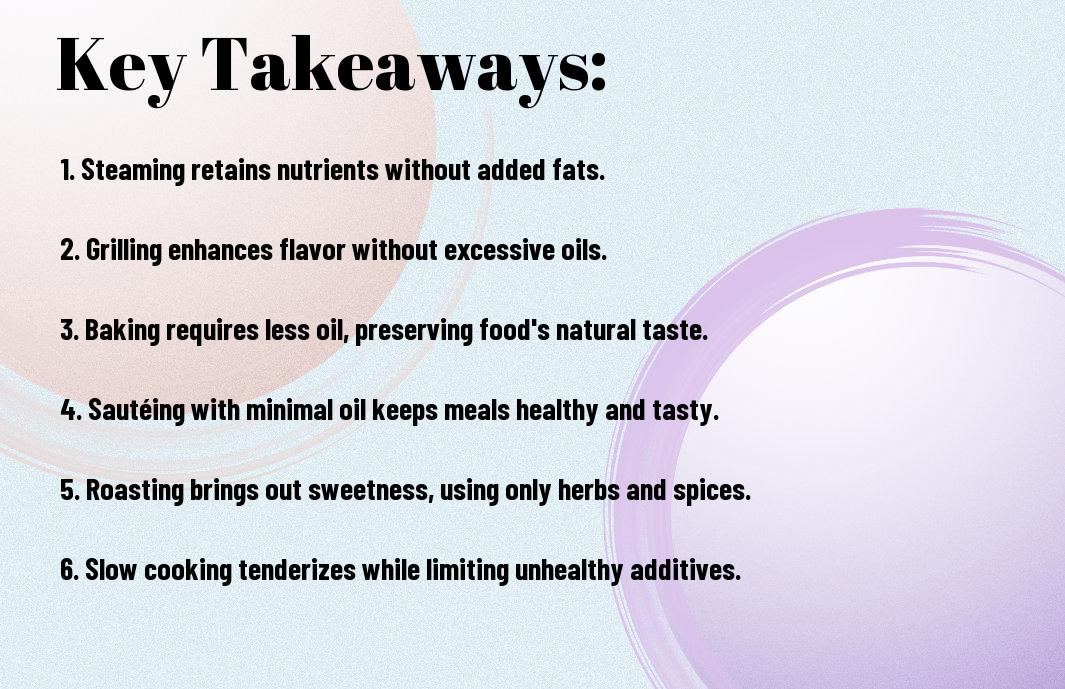
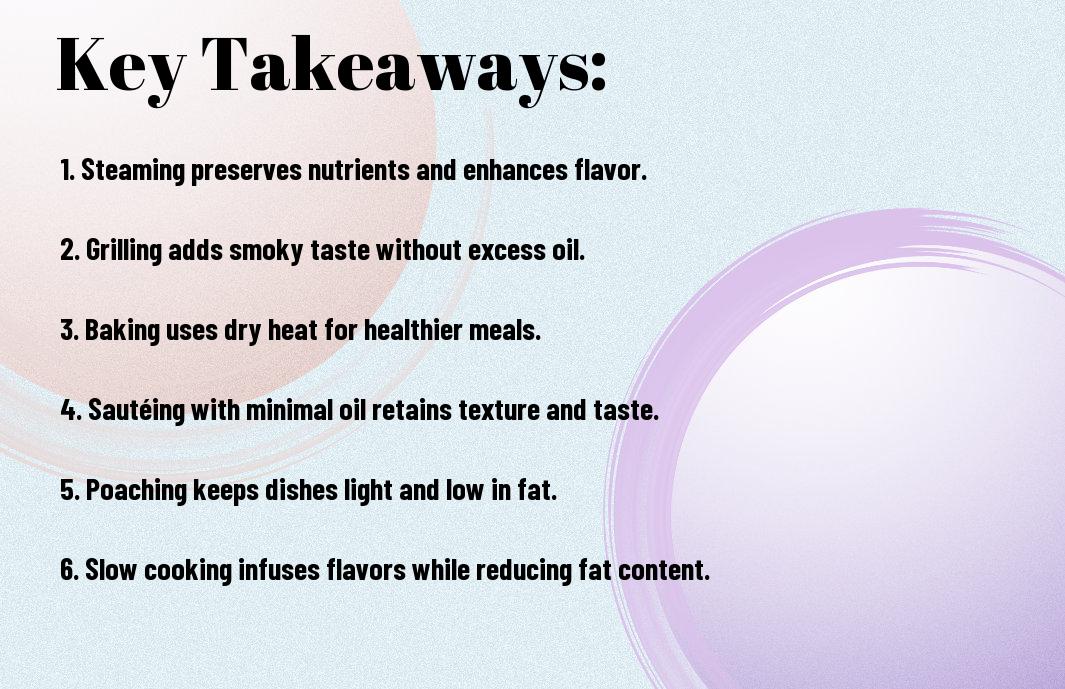
- Healthy Cooking Techniques: Opt for methods like steaming, grilling, or baking that require little or no oil while preserving flavor.
- Infused Oils: Experiment with using small amounts of infused oils to provide a boost of flavor without using large quantities.
- Sautéing Alternatives: Swap out oil for broth or water when sautéing to create a delicious base for your dishes.
- Prioritize Quality over Quantity: A small amount of high-quality oil can go a long way in imparting flavor, so choose wisely.

Understanding the Role of Oil in Cooking
The role of oil in cooking goes beyond simply preventing food from sticking to pans. It contributes to the texture, moisture, and richness of your dishes, enhancing the overall eating experience. Oil also plays a vital part in distributing heat evenly when cooking, making it an important component in techniques such as sautéing, frying, and roasting. Understanding this role allows you to make more informed decisions about how much oil to use and how to incorporate other flavor-enhancing techniques into your cooking.
Flavor Enhancement
Role of oil in flavor enhancement cannot be understated. It acts as a carrier for various flavors, allowing spices and herbs to meld seamlessly with your ingredients. Different oils bring unique profiles to your dishes, amplifying the taste of ingredients rather than masking them. When used wisely, you can achieve a depth of flavor without overwhelming your meals with excess oil.
Cooking Techniques That Require Less Oil
Cooking techniques that require less oil are not only healthier but also promote vibrant flavors through alternative methods. Steaming, poaching, and grilling are excellent practices that allow your ingredients’ natural tastes to shine without the added fat. You can use non-stick pans or parchment paper to further reduce oil usage, ultimately leading to meals that are lighter yet still satisfying.
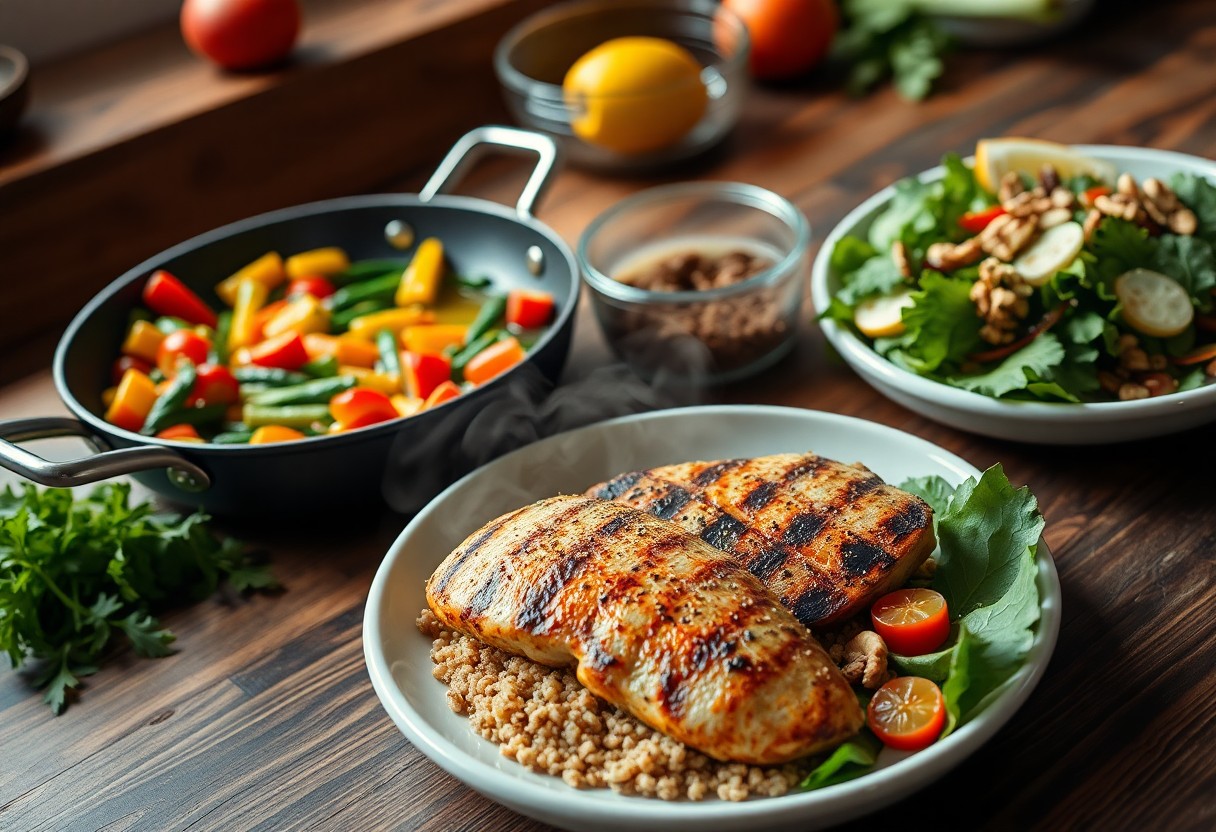
Considering these techniques opens up a world of culinary possibilities that allow you to reduce oil effectively. Experimenting with steaming vegetables preserves their nutrients and bright flavors, while poaching proteins keeps them tender and juicy. Grilling imparts a unique char without the need for heavy oils. By incorporating these methods and exploring your recipes, you can enjoy flavorful meals that are simple and health-conscious.
Flavorful Substitutes for Oil
It’s entirely possible to create delicious dishes without relying heavily on oil. By utilizing flavorful substitutes like broths, vinegars, and herbs, you can enhance your meals while cutting down on fat and calories. These alternatives provide depth and richness to your recipes, allowing you to maintain taste and satisfaction without compromising your health goals.
Broths and Stocks
Broths are fantastic for adding moisture and flavor without extra fat. Whether you’re simmering vegetables or sautéing proteins, vegetable, chicken, or beef broth can replace oil, infusing your dish with savory tastes while keeping it light.
Vinegars and Citrus Juices
To brighten your dishes, incorporate vinegars or citrus juices as flavor enhancers. Balsamic, apple cider, or red wine vinegar can elevate salads and marinades, while lemon and lime juices add zesty acidity that invigorates meats and vegetables alike.
The addition of vinegars and citrus juices not only provides a tangy flair but also helps to tenderize proteins. You can experiment with various combinations to discover which flavor profiles work best for your preferences and the type of cuisine you’re preparing.
Aromatic Herbs and Spices
Against the common notion that oil is important for flavor, incorporating aromatic herbs and spices can achieve a more vibrant profile in your dishes. Fresh herbs like parsley and basil, along with spices such as cumin and paprika, can transform your cooking into a fragrant experience without the added grease.
Further, you can create spice blends or herb marinades to infuse depth into your meals. Not only do these ingredients enhance flavor, but they also offer health benefits, making your dishes both tasty and nutritious. By being inventive with these fresh elements, you can craft dishes full of personality and zest.
Cooking Methods for Oil Reduction
All you need to do to cut back on oil while still enjoying flavorful meals is to explore various cooking methods that enhance the natural taste of ingredients. Techniques such as steaming, poaching, grilling, broiling, and baking allow you to prepare delicious dishes with significantly less fat while maintaining moisture and flavor.
Steaming and Poaching
By utilizing steaming and poaching, you can cook your food in water or broth, which helps to preserve its natural flavors and nutrients without the added fat. These methods work great for vegetables, fish, and even chicken, offering a tender, juicy result while keeping your meals light.
Grilling and Broiling
Across your culinary adventures, grilling and broiling can be game-changers for reducing oil. These cooking methods rely on high heat, allowing fats to drip away while promoting a crispy exterior and juicy interior for meats and vegetables alike. You can enhance flavors through marinades or spices, ensuring that your dishes are never bland.
Cooking with the grill or broiler creates a unique char and smoky flavor that elevates your meals. When grilling, you can use marinades to infuse your food with additional flavor, and there’s usually no need for oil. Just be mindful of potential flare-ups by keeping an eye on your food as it cooks.
Baking and Roasting
Along your cooking journey, baking and roasting are excellent techniques for reducing oil consumption. These methods emphasize the natural flavors in ingredients, producing beautifully caramelized results without excessive added fats, allowing you to enjoy hearty dishes like roasted vegetables or baked fish.
As you bake and roast, take advantage of herbs and spices to create depth of flavor without relying on oil. You can use parchment paper or silicone baking mats to prevent sticking instead of greasing pans, thus further cutting down on oil while still achieving delicious, satisfying meals.

Incorporating Oils Strategically
Now that you’re exploring ways to minimize oil usage, consider incorporating it strategically. Use oil in moderation to enhance flavors rather than overwhelm your dishes. Techniques like sautéing with a small amount or using flavorful oil infusions can contribute to taste without excess fat. For more tips, check out Why You Should Ditch Oil and How to Cook Without It.
Choosing the Right Type of Oil
Among the various oils available, it’s important to choose those with bold flavors, such as extra virgin olive oil, sesame oil, or avocado oil. These oils not only provide beneficial unsaturated fats but also contribute rich tastes that can elevate your meals. Always select oils that match your cooking method to maximize flavor.
Applying Oil as a Finishing Touch
Before serving your dish, consider a light drizzle of oil for an added layer of flavor. A small amount can transform your meal and make it visually appealing.
The application of oil as a finishing touch can enhance the aroma and taste of your dishes significantly. Drizzling high-quality oil over finished meals, like roasted veggies or salads, brings in a fresh flavor boost. Additionally, using oil in marinades or dressings can help balance flavors without relying on excessive amounts. This technique allows you to enjoy the benefits of oil while maintaining a healthier approach to cooking.
Recipes to Try with Less Oil
Keep it exciting in the kitchen by exploring a variety of recipes that require minimal oil while still delivering maximum flavor. From zesty roasted vegetables to deep-flavored soups, you can enjoy delicious meals without sacrificing taste. Incorporate herbs, spices, and citrus to add depth to your dishes, allowing the natural flavors of your ingredients to shine through. These recipes not only boost your culinary skills but also support a healthier lifestyle.
Flavorful Veggie Dishes
Across the globe, vibrant veggie dishes can be prepared with less oil by using techniques like steaming, sautéing with broth, or roasting at high temperatures. Try colorful stir-fries or innovative salads where fresh herbs and citrus dressings take center stage. Pair seasonal vegetables with spices such as cumin or smoked paprika to create aromatic flavor profiles, ensuring your meals are both satisfying and nutritious.
Protein Alternatives and Options
With a diverse range of protein sources available, you can easily substitute high-oil ingredients with healthier options. Legumes, tofu, and tempeh bring not only protein but also texture and flavor to your meals. You can use these ingredients in dishes like bean burgers, stir-fries, or hearty salads.
It is beneficial to experiment with different plant-based proteins to find the ones that suit your taste. For example, lentils can be seasoned and cooked to create delicious patties, while chickpeas make a tasty base for stews and salads. Tofu and tempeh can absorb flavors beautifully when marinated, allowing you to enjoy satisfying meals without the extra oil. By choosing these options, you consume less fat without sacrificing the protein needed for your well-being.
Tips for Maintaining Texture and Moisture
Once again, achieving great flavor without excessive oil hinges on preserving texture and moisture. Here are some key strategies:
- Use broth or water for sautéing instead of oil.
- Incorporate moisture-rich ingredients like tomatoes or bell peppers.
- Cover dishes while cooking to trap steam.
- Opt for steaming or poaching when possible.
Assume that these techniques will help you maintain a satisfying texture and moisture in your meals.
Using Cooking Techniques Wisely
Any good cook knows that the right techniques can enhance your dishes without relying heavily on oil. Try stir frying quickly over high heat or baking to lock in moisture and flavor. Don’t shy away from making sauces with reduced fat like pureed vegetables or yogurt to elevate your dishes creatively.
Balancing Ingredients for Full Flavor
Among the key aspects of cooking with less oil is achieving a balance of ingredients that provide rich flavors. When you replace oil, consider the overall composition of your dish, using herbs, spices, and acidic ingredients to enhance taste without added fat.
Indeed, balancing your ingredients is an art that will elevate your dishes. You can utilize aromatic herbs like basil, cilantro, and parsley; spices including cumin and paprika; and acidic elements such as lemon juice or vinegar. These components can provide complexity and depth, giving your meals a full-bodied flavor profile that compensates for reduced oil. Experimenting with various combinations will allow you to discover new and delightful flavors while keeping the oil content low.
Final Words
Conclusively, cooking with less oil while still maintaining flavor is entirely achievable with the right techniques and ingredients. You can explore the use of herbs, spices, and acidic components like vinegar or citrus to enhance your dishes. Utilizing healthy cooking methods like steaming, grilling, and sautéing with broth can replace excessive oil. Experimenting with these strategies will not only improve the health profile of your meals but also expand your culinary repertoire, leading to delicious and satisfying dishes that highlight fresh flavors without the need for excess oil.
FAQ
Q: What are some effective cooking methods that reduce oil usage while maintaining flavor?
A: There are several cooking methods that allow you to use less oil without sacrificing taste. Steaming and roasting are great options; both methods utilize the natural moisture of ingredients to enhance flavor. Air frying is another fantastic alternative, as it circulates hot air around the food to create a crispy texture with minimal oil. Braising, using broth or wine instead of oil, can infuse dishes with depth. Additionally, sautéing with broth or water instead of oil works well for vegetables and proteins, allowing the natural flavors to shine through.
Q: How can herbs and spices help in reducing oil while cooking?
A: Utilizing herbs and spices is a fantastic way to enhance flavor without the need for added oil. Fresh herbs like basil, cilantro, and parsley can elevate dishes, making them more aromatic and vibrant. Dry spices such as cumin, paprika, and garlic powder can be sprinkled generously to add depth without calories. Marinades made with vinegar, citrus juice, or low-sodium soy sauce can impart rich flavors and tenderize meats, replacing the need for oil. Experimenting with different combinations of herbs and spices allows for a variety of flavor profiles while keeping oil content low.
Q: Are there specific ingredients that can substitute for oil in recipes?
A: Yes, there are several ingredients that can effectively substitute for oil in cooking without compromising flavor. For instance, using unsweetened applesauce can provide moisture in baked goods, while pureed fruits like bananas or avocados can add healthy fats and creaminess. Yogurt or buttermilk works well in dressings and marinades, delivering flavor without oil. Nut butters can bring richness and depth to sauces and dressings, while vegetable or chicken broth can replace oil for sautéing or stir-frying. These alternatives allow for a delicious and healthier meal without relying heavily on oil.