Over time, effective portion control can play a significant role in your weight loss journey. By learning to regulate the amount of food on your plate, you can reduce calorie intake while still enjoying a variety of flavors. This post will guide you through practical strategies and tips to help you achieve your weight loss goals through mindful eating and portion awareness. Whether you’re dining at home or eating out, these insights will empower you to make healthier choices that align with your objectives.
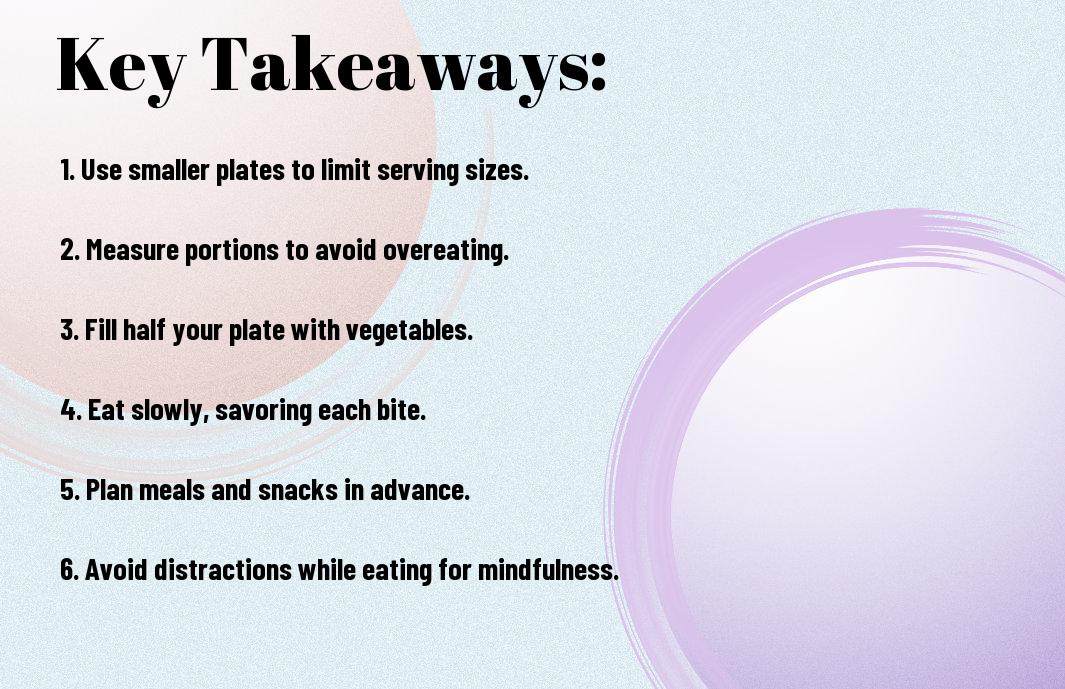
Key Takeaways:
- Understand Serving Sizes: Familiarize yourself with standard serving sizes to gauge appropriate portions for different food groups.
- Use Smaller Plates: Switching to smaller plates can trick your mind into thinking you’re eating more, helping to reduce overall portion sizes.
- Practice Mindful Eating: Slow down and savor each bite, paying attention to hunger cues, which can facilitate better control over portions.
- Pre-portion Meals: Prepare and portion out meals and snacks in advance to avoid overeating when hunger strikes.
- Stay Hydrated: Drink plenty of water, as sometimes thirst is mistaken for hunger, leading to unnecessary eating.
Understanding Portion Control
While managing your weight, understanding portion control is imperative for your success. By learning how to properly size your meals, you can create a balanced approach to eating that allows you to enjoy your favorite foods without overindulging. This creates a healthier relationship with food, making it easier to achieve your weight loss goals.
The Science of Portion Sizes
Behind the concept of portion sizes lies a wealth of research indicating that our brains often rely on visual cues to gauge how much food is appropriate. Bigger plates and serving vessels can lead you to serve and consume more, even if you’re not physically hungry. By using smaller dishes, you can trick your mind into feeling satisfied with less.
Psychological Factors Influencing Portions
For many of us, the choices we make regarding portion sizes are influenced by psychological factors that can impact our eating habits. Environmental cues, like the size of your plates or the variety of food presented, can lead you to consume more than you need. Furthermore, emotional eating may compel you to choose larger portions in response to stress or boredom. Consider these factors:
- The influence of visual cues.
- Emotional states affecting your hunger levels.
- Social settings encouraging larger servings.
- Habitual portion sizes from past experiences.
Thou must remain mindful of these psychological triggers to better control your portions.
Understanding the psychological factors influencing your portion sizes is imperative to making healthier choices. The way you perceive food and react to environmental cues can significantly dictate your eating behavior. To cultivate better portion control, you should consider:
- Keeping track of your emotional responses to food.
- Becoming aware of the influence of your dining environment.
- Finding strategies to reduce stress without resorting to food.
- Practicing mindfulness during meals.
Thou can harness these insights to foster a more mindful approach to portion control.
Strategies for Portion Control
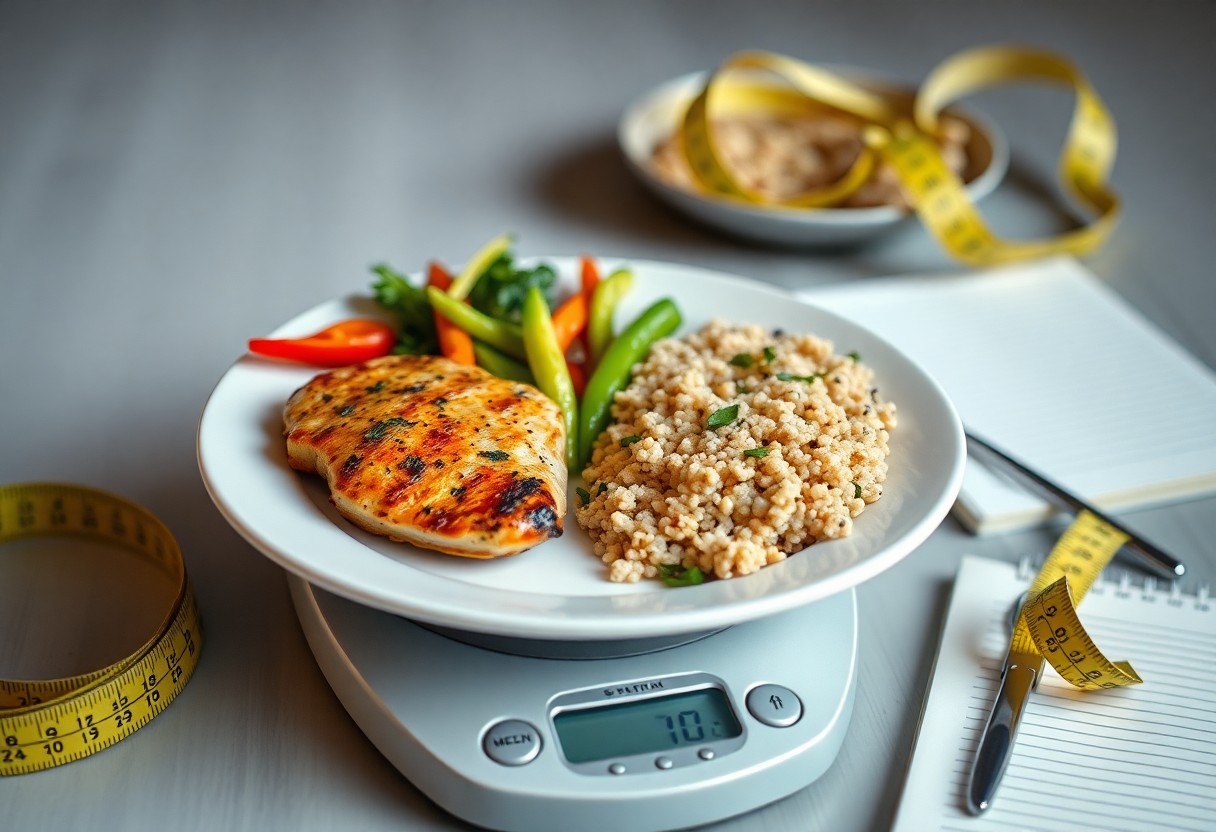
Any effective weight loss plan includes strategies for managing portion control. You can begin by incorporating smaller plates or bowls into your meals, which can create the perception of a full plate without overeating. Also, pre-portioning snacks and meals can prevent mindless eating and help you stick to your desired calorie limit. Lastly, being aware of serving sizes provides you with better control over your food intake, leading to healthier eating habits.
Measuring and Serving Sizes
Between home-cooked meals and restaurant dishes, it’s vital to be mindful of serving sizes. Familiarizing yourself with standard measurements can help you accurately gauge portions. Consider using measuring cups and a kitchen scale to ensure your servings align with dietary recommendations. It’s also useful to check food labels for suggested portion sizes to eliminate confusion about what constitutes a healthy serving.
Mindful Eating Techniques
An effective method to enhance portion control is through mindful eating techniques. By paying attention to the flavors, textures, and aromas of your food, you can develop a deeper connection with the eating process, which may help you recognize fullness cues more effectively.
Considering the principles of mindful eating can make a significant difference in your weight loss journey. Take time to savor each bite without distractions, such as screens or multitasking. Chew slowly and pause between bites to assess your hunger levels. By tuning into your body’s signals, you can better gauge when you are satisfied, ultimately leading to healthier portion sizes and improved control over your eating habits.
Tools and Resources
Not all tools for portion control are created equal. To ensure you have a successful weight loss journey, consider using an array of resources designed to help you manage your servings effectively. From specialized dinnerware to modern technology, these tools can provide visual and practical support in developing healthier eating habits, making it easier for you to reach your weight loss goals.
Portion Control Plates and Bowls
For an effective way to visually manage your servings, consider investing in portion control plates and bowls. These dishes come with designated sections that indicate the appropriate amounts of food for each food group, allowing you to easily balance your meal. Using these plates not only helps you portion correctly but can also make your meals more appealing and reduce the likelihood of overeating.
Mobile Apps for Tracking Portions
Tracking your food intake and portion sizes has never been easier with mobile apps designed specifically for this purpose. These apps allow you to log your meals, set portion sizes, and keep a detailed record of your nutritional intake, making it easier to make informed choices as you progress on your weight loss journey.
In addition to logging your meals, many of these apps offer features like barcode scanning, recipe suggestions, and community support. This means you can quickly and accurately input the foods you’re eating while receiving personalized suggestions based on your dietary preferences. By using these apps, you gain valuable insights into your eating patterns, enabling you to adjust your portion sizes effectively and achieve your weight loss goals with greater success.
Overcoming Challenges
For many, managing portion control can be complex due to various circumstances. You may encounter obstacles like social gatherings, emotional triggers, or simply the allure of larger servings. Acknowledging these challenges is the first step toward developing strategies that work for you, allowing you to stick to your weight loss goals with confidence and resilience.
Eating Out and Social Situations
At restaurants and social events, it can be difficult to maintain portion control. To navigate these scenarios, consider sharing meals with friends, opting for smaller portions, or asking for a to-go box at the beginning of your meal. This way, you can enjoy your dining experience while managing your portion sizes effectively.
Dealing with Emotional Eating
Social situations may sometimes provoke emotional eating, which can derail your progress. By identifying your triggers and adopting healthier coping mechanisms, you can gain control over your eating habits. Start by keeping a food journal to track your emotions and habits or find alternative activities to distract you, such as going for a walk or engaging in a hobby.
Situations that trigger emotional eating often stem from stress, boredom, or even celebrations. It’s important to be aware of your feelings before reaching for food. Instead of stepping into a snack, take a moment to assess how you’re feeling. Finding healthier ways to cope, such as meditation or talking to a friend, can help you address those emotions without resorting to overeating. This self-awareness empowers you to maintain control, helping you stay committed to your weight loss journey.
Long-Term Maintenance
All strategies for weight loss emphasize the importance of long-term maintenance. To ensure your progress lasts, it’s necessary to adopt sustainable habits that promote a healthy relationship with food. Focus on consistency in portion control and nutritional choices while remaining flexible to accommodate life’s ups and downs. Adopting a healthy lifestyle is key to maintaining your desired weight over time.
Building Healthy Portion Habits
Beside establishing clear boundaries around portion sizes, embracing healthy portion habits is vital for lasting change. This can be achieved by using smaller plates, focusing on whole foods, and practicing mindful eating. By incorporating these practices into your daily routine, you’ll find it easier to manage portions effectively while still enjoying a variety of foods.
Tracking Progress for Sustained Weight Loss
At the same time, tracking your progress is necessary for staying accountable and motivated throughout your weight loss journey. Using a food diary or mobile app can help you monitor your eating habits, portion sizes, and emotional triggers. By regularly evaluating your consumption, you’ll better understand what works for you and how to make adjustments as needed.
It’s not just about tracking numbers; it’s about recognizing patterns in your eating habits that influence your weight loss journey. Evaluating your progress can provide valuable insights into successful portion control strategies and highlight areas for improvement. Establishing a routine of checking in with your goals allows you to stay focused and celebrate your accomplishments, reinforcing your commitment to long-term weight maintenance.
Common Myths about Portion Control
Unlike popular belief, portion control is not about deprivation or strict restrictions. Many people think that eating smaller portions means sacrificing flavor and variety, but the truth is that you can still enjoy a diverse and satisfying diet while managing your portions. Understanding these myths can empower you to make better choices and sustain weight loss in the long term.
Misconceptions vs. Reality
For many, the idea of portion control is clouded by misconceptions. You might think that all you need to do is eat less, but it’s about understanding the right balance and quality of food. This approach can help you feel satisfied and fulfilled without overeating.
Debunking Dieting Myths
Along with common myths about portion sizes, there are various falsehoods about dieting that can lead to confusion. You may believe that strict calorie counting is the only way to manage portions, but intuitive eating is also a viable strategy that considers your body’s cues.
Dieting should not be about strict rules and constant denial; instead, it should focus on a balanced approach to nutrition. You can debunk the myth that all carbs are bad or that fats must be avoided entirely. By understanding that moderation is key, you can enjoy a variety of foods, making sustainable choices that fit your lifestyle. Emphasizing whole, nutrient-dense foods over processed options is a powerful strategy for effective weight management.
Conclusion
Summing up, managing portion control for weight loss involves being mindful of your serving sizes, using smaller plates to help with visual cues, and practicing the habit of listening to your body’s hunger signals. You should also consider measuring your food initially to educate yourself on appropriate portions. By incorporating these strategies into your daily routine, you empower yourself to make healthier choices that align with your weight loss goals while still enjoying your meals.
FAQ
Q: What is portion control and why is it important for weight loss?
A: Portion control refers to the practice of being mindful about the amount of food served or consumed during a meal. It is important for weight loss because it helps to regulate calorie intake, thereby creating a calorie deficit which is necessary for losing weight. By managing portion sizes, individuals can enjoy their favorite foods without overeating and can make healthier food choices, facilitating sustained weight loss over time.
Q: How can I accurately measure portion sizes without a scale?
A: There are several practical methods to estimate portion sizes without using a scale. One way is to use your hands as a guide: a fist can represent a serving of fruits or vegetables, a palm can signify a portion of protein, and a thumb can indicate a serving of fats, such as oils or nut butter. Additionally, using everyday items for reference can be helpful; for example, a standard-sized tennis ball can symbolize about a cup of fruit or pasta, while a computer mouse can represent roughly a serving of meat. These techniques can enable you to control portions effectively while cooking or dining out.
Q: Are there any strategies to help stick to portion sizes when eating out?
A: Yes, there are several strategies to maintain portion control while dining out. One effective method is to share plates or order smaller portions, such as appetizers instead of full entrees. Additionally, consider asking for dressings and sauces on the side to control how much you use. It can also be beneficial to immediately box up half of your meal as soon as it arrives; this way, you avoid mindless eating. Finally, focus on enjoying your meal without distractions, allowing you to better recognize your body’s fullness signals.