Over the years, encouraging children to embrace healthy eating can be a challenge, but it doesn’t have to be boring or difficult. By incorporating creativity and playfulness into their meals, you can make nutritious foods appealing and enjoyable for your kids. In this blog post, you’ll discover practical tips and engaging strategies to transform healthy eating into a fun experience that your children will love. Let’s examine ways to spark their interest in wholesome foods while fostering positive eating habits for life.
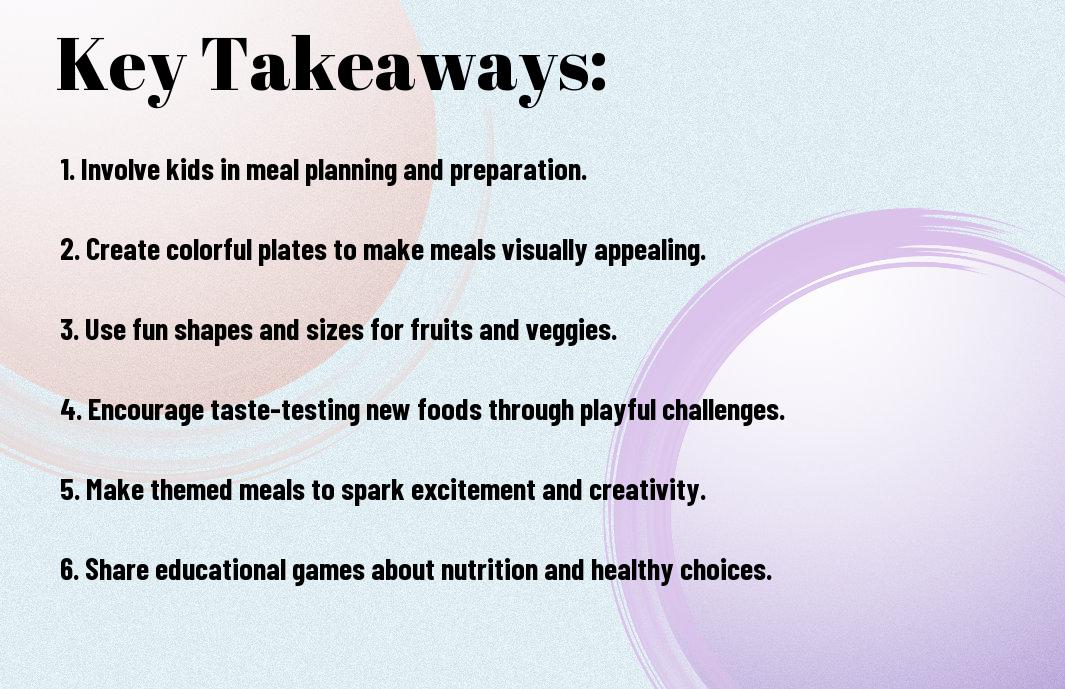
Key Takeaways:
- Engaging Activities: Involve children in cooking and meal prep to make healthy eating interactive and enjoyable.
- Creative Presentation: Serve healthy foods in fun shapes and colors to make them visually appealing and exciting to eat.
- Variety and Exploration: Encourage kids to try new fruits, vegetables, and healthy dishes through themed meals or taste tests.

Understanding Children’s Preferences
The journey to healthier eating for your child begins with understanding their unique preferences. Each child has different tastes, influenced by their developmental stage, cultural background, and individual personality. By engaging in conversations about their food likes and dislikes, and observing their reactions to various foods, you can create a tailored approach that fosters a positive relationship with healthy eating.
Exploring Tastes and Textures
By encouraging your child to explore a wide range of tastes and textures, you can help them develop a more adventurous palate. Offer a variety of fruits, vegetables, grains, and proteins in different forms, such as raw, cooked, crispy, or creamy. This exploration not only makes eating more enjoyable but also opens them up to a world of nutrition.
The Importance of Color and Presentation
Across all age groups, the visual appeal of food plays a significant role in children’s willingness to try new choices. Bright, colorful plates can spark interest and excitement at the dining table, making healthy eating feel like a fun adventure rather than a chore. Using various colors and creative presentations can captivate your child’s attention and make mealtimes more engaging.
Hence, prioritizing color and presentation in your meal planning can lead to increased curiosity and willingness to explore different foods. Arrange fruits and vegetables in fun shapes or create rainbow-themed plates to stimulate their interest. Engaging your child in the preparation and decoration of their meals can foster a sense of ownership over their food choices, ultimately promoting a healthier relationship with eating.
Creative Meal Ideas
It’s easy to make healthy eating exciting for kids by introducing creative meal ideas. You can transform everyday meals into fun adventures that spark their imagination and encourage them to explore new flavors. Using colorful ingredients and playful presentations will not only make the food visually appealing but also encourage your children to embrace healthier eating habits.
Fun Shapes and Themes
Shapes play a significant role in making meals attractive to kids. You can use cookie cutters to create fun shapes from fruits, vegetables, and sandwiches, transforming ordinary meals into delightful experiences. Consider designing themed meals, such as a rainbow plate with different colored foods or an underwater theme with fish-shaped foods. This approach helps children associate healthy eating with fun.
Interactive Meal Preparation
Ideas for getting your kids involved in the kitchen are endless. Allow them to wash, peel, and chop (with supervision) ingredients, so they feel a sense of ownership over their meals. Create DIY pizza nights where they can personalize toppings or build-your-own tacos for a hands-on dinner experience. Actively engaging your children in meal preparation can boost their confidence and interest in trying new foods.
Themes can be a fantastic way to tie in interactive meal preparation with creativity. You might choose a cultural theme, such as Italian night with homemade pasta and sauces, or a garden theme featuring fresh, seasonal produce. Encourage your children to research dishes related to the theme and assist you in preparing them. This not only makes mealtime more exciting but also educates them about different cuisines and ingredients.
Engaging Kids in Cooking
For many children, the kitchen can be an exciting place filled with opportunities for creativity and hands-on learning. Involving your kids in cooking allows them to explore new foods, develop vital skills, and foster a positive relationship with healthy eating. By making cooking a fun and interactive experience, you instill a sense of accomplishment and pride in creating meals.
Age-Appropriate Tasks
Tasks in the kitchen should be tailored to your child’s age and abilities, ensuring they feel both challenged and successful. Younger kids can help with washing vegetables, measuring ingredients, or stirring mixtures, while older children may take on responsibilities like chopping, mixing, or following recipes independently. Adjust tasks based on their skill level to build confidence and promote engagement.
Cooking as a Family Activity
Before plunging into the cooking process, set the stage for a fun family activity by involving everyone in the planning. Let your kids help choose recipes and shop for ingredients, creating anticipation for the cooking session ahead.
Consequently, when you cook together as a family, you create an enjoyable atmosphere that fosters connection and teamwork. This collaborative experience encourages conversation, enhances bonding, and allows your kids to learn valuable skills while enjoying the fruits of their labor. Not only does cooking as a family promote healthier eating habits, but it also creates lasting memories, making it a delightful tradition that you’ll cherish together.
Incorporating Healthy Snacks
All kids love snacks, so why not make them healthy? Incorporating nutritious options into your child’s snacking routine doesn’t have to be boring. You can introduce a variety of colorful fruits, crunchy vegetables, and wholesome dips that engage their senses and keep them excited about eating well. By making healthy snacks both appealing and accessible, you can instill good habits that last a lifetime.
DIY Snack Stations
Healthy snack stations are a fun way to engage your kids in preparing their own nutritious treats. Set up a designated area in your kitchen stocked with a variety of healthy options, such as fresh fruits, sliced veggies, yogurt, and whole-grain crackers. Let your kids build their own snacks, mixing and matching ingredients to create something they enjoy. This hands-on approach not only makes snacking fun but also encourages them to make healthier choices on their own.
Healthy Snack Swaps
At times, swapping out unhealthy snacks for healthier alternatives can make a significant difference. By choosing better options, you can not only improve your child’s diet but also introduce them to a wide range of flavors and textures. For example, replace chips with air-popped popcorn, soft drinks with infused water, or candy with fruit. These simple changes can transform snack time into an opportunity for wholesome nourishment.
Snacks play a vital role in your child’s overall nutrition and energy levels, and making simple swaps can have a lasting impact. Start by reflecting on the snacks your family currently enjoys and brainstorm healthier alternatives together. You might find that homemade energy bars, veggie sticks with hummus, or fruit smoothies become new favorites! Engaging your kids in these choices allows them to take ownership of their eating habits, making them more likely to embrace healthier snacks in the future.
Creating a Positive Eating Environment
Many parents underestimate the impact of a positive eating environment on their children’s relationship with food. By fostering a relaxed and enjoyable atmosphere, you can encourage your kids to explore new foods and develop healthy eating habits. This includes minimizing distractions like screens during mealtimes and creating a visually appealing table setting. Ultimately, when your family meals are enjoyable, your kids will associate healthy food with positive experiences.
Family Meals and Conversations
Eating together as a family provides an opportunity to connect and share experiences, making mealtimes meaningful. Engaging your children in conversations about their day or discussing fun topics can distract from potential picky eating habits. These moments not only help them develop social skills but also create a sense of belonging, making them more open to trying diverse and nutritious foods.
Encouragement and Positive Reinforcement
Along with a positive eating environment, encouraging your kids through positive reinforcement can significantly enhance their willingness to try healthy foods. Celebrate their efforts to taste new items, no matter how small, and offer genuine praise when they make healthy choices. This approach will motivate them and build their confidence in exploring a variety of nutritious options.
Positive reinforcement goes beyond simple praise; it can involve fun rewards or a sticker chart for trying new foods. This strategy helps make healthy eating a game, keeping their interest high. By highlighting their successes, you create a sense of achievement and enhance their willingness to experiment with different fruits, vegetables, and whole grains. The more you celebrate these small victories, the more it fosters a healthy relationship with food that can last a lifetime.
Fun Educational Activities
Not all kids are excited about healthy foods, but you can flip the script by integrating fun educational activities into their learning. Exploring the science and art behind nutrition can spark curiosity and creativity, making healthy eating an adventure rather than a chore. Try hands-on projects that engage your child’s senses, turning meal prep and food choices into an exciting journey filled with learning opportunities.
Farm Visits and Garden Projects
Above all, taking your kids on farm visits or involving them in garden projects can provide them with firsthand experiences of where their food comes from. These outings make learning about fruits, vegetables, and sustainable practices entertaining. Let them dig in the dirt, plant seeds, and harvest produce; when kids see the food they eat grow, they’re more likely to appreciate and enjoy healthy eating.
Nutrition Games and Apps
Nutrition games and apps can add an interactive dimension to your child’s learning experience. These tools often incorporate fun visuals and engaging challenges that make discovering healthy habits exciting. You can turn meal planning, tracking food intake, and learning about nutrients into enjoyable activities that children look forward to.
Even more, many nutrition games are designed to promote teamwork and competition. By participating in group challenges or multiplayer scenarios, your kids will learn to make informed food choices while enjoying a playful atmosphere. With the vast array of options available, you can tailor these games to your child’s interests, making healthy eating both fun and educational.
To wrap up
Taking this into account, making healthy eating fun for your kids is all about creativity and engagement. By involving them in meal planning and preparation, turning fruits and vegetables into fun shapes, and incorporating games or challenges, you can create a positive relationship with food. Encourage them to explore new tastes and textures, and celebrate their successes. With your support and enthusiasm, healthy eating can become an enjoyable adventure that promotes lifelong habits and a love for nutritious foods.
Q: How can I introduce healthy foods to my kids without them being resistant?
A: One great way to ease kids into healthy eating is by involving them in the cooking process. Invite them to help select fresh fruits and vegetables at the grocery store or local farmers’ market, and allow them to wash, peel, and mix ingredients in the kitchen. Make it a fun activity by turning cooking into a game—set a timer and see who can find the most colorful ingredients, or create a fun themed meal like “Rainbow Pizza” where they add various veggies for toppings. This approach not only makes them more interested in the food but also gives them a sense of ownership and excitement about what they eat.
Q: What are some creative ways to present healthy food to make it more appealing to kids?
A: Presentation is key when it comes to making healthy food visually appealing. Use cookie cutters to shape fruits and vegetables into fun forms, like stars or animals. Create colorful fruit skewers with a variety of fruits or assemble a “veggie rainbow” plate, arranging colorful vegetables in a vibrant arc. Additionally, consider making smoothies with a mix of fruits and leafy greens, allowing kids to choose their favorite combinations. Using playful names for dishes, like “Dino-Broccoli Trees” or “Jungle Fruit Cups,” can also capture their imagination and make healthy eating a delightful experience.
Q: How can I make healthy eating a family activity?
A: Making healthy eating a family activity can be a fun way to bond and encourage good habits. Plan a weekly “family cooking night” where everyone selects a healthy recipe to try together. Consider organizing your meals around themes or cultures to explore new flavors, such as “Taco Night” with whole-grain tortillas and lots of fresh toppings, or “Mediterranean Feast” with hummus and whole-grain pita. Involve kids in meal planning and grocery shopping by giving them the opportunity to choose healthy recipes they want to try. This involvement helps them to feel invested in the process and more likely to enjoy the healthy meals you create together.