There’s a simple way to enhance your meals and boost your nutritional intake by incorporating more whole grains into your diet. Whole grains provide vital nutrients and dietary fiber, benefiting your overall health. You can start by swapping refined grains for whole grains in your favorite recipes, exploring different grain options, and finding creative ways to include them in your meals. For practical tips, check out this guide on How Can I Eat More Whole Grains?.
Key Takeaways:
- Substitute refined grains with whole grains to enhance nutrition in meals.
- Add whole grain alternatives like farro, brown rice, or quinoa to salads and sides.
- Snack on whole grain options such as popcorn, whole grain crackers, or granola.
- Incorporate whole grain bread or wraps for sandwiches and wraps to increase fiber intake.
- Explore whole grain recipes to creatively add more grains to your daily diet.
Understanding Whole Grains
While the world of grains can be complex, understanding whole grains is vital for enhancing your diet. Whole grains consist of three key components: the bran, germ, and endosperm, making them more nutritious than refined grains, which only contain the endosperm. By focusing on whole grains, you can enjoy a variety of flavors and textures that also contribute to your overall health and well-being.
What Are Whole Grains?
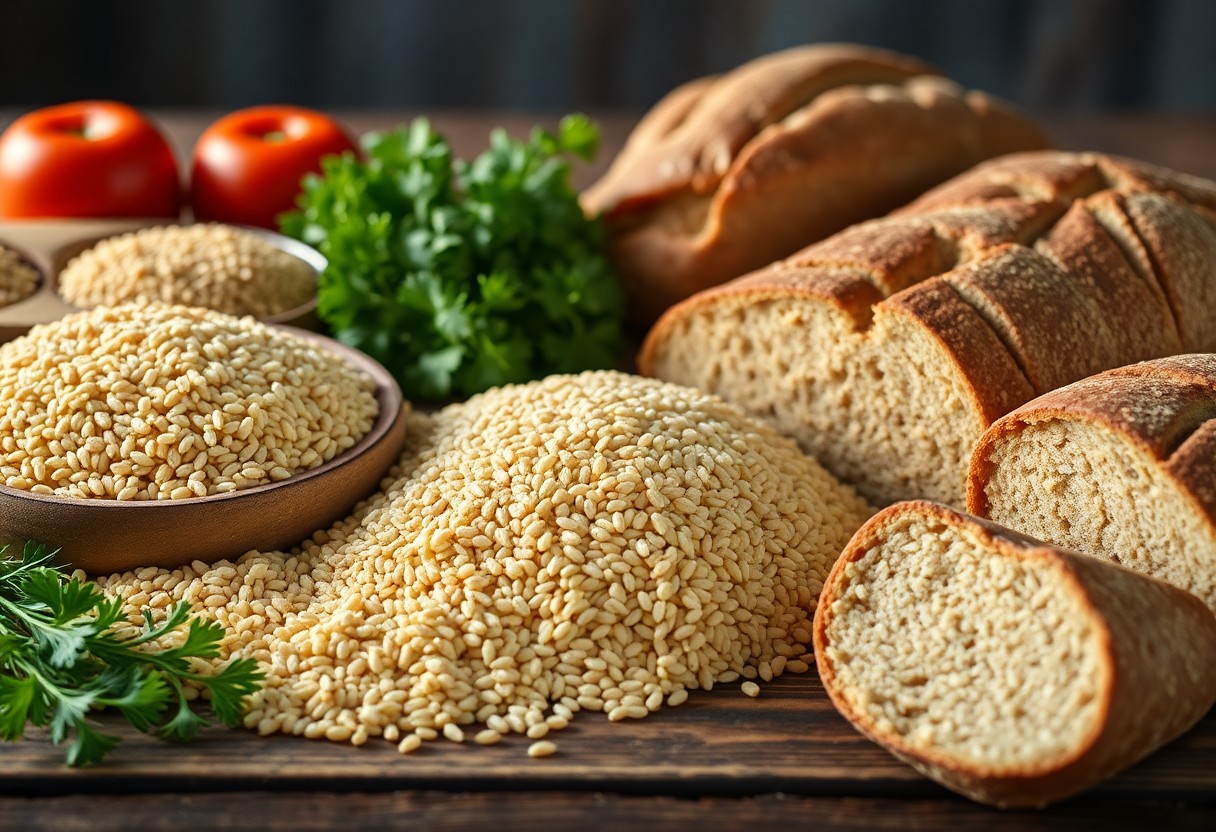
On a basic level, whole grains are cereal grains that retain all parts of the grain kernel. This includes the outer bran layer, the nutrient-rich germ, and the starchy endosperm. Examples of whole grains are brown rice, quinoa, barley, and whole wheat, all of which provide a variety of nutrients that your body requires.
Benefits of Whole Grains
Between improved digestion, increased satiety, and vital nutrient intake, whole grains offer numerous benefits. Incorporating these grains into your meals can support heart health, regulate blood sugar levels, and promote a healthy weight. Whole grains are rich in fiber, vitamins, and minerals, making them a smart choice for anyone looking to enhance their overall health.
Indeed, eating whole grains can significantly impact your health. Their high fiber content not only aids digestion but also helps you feel fuller for longer, which can aid in weight management. Additionally, whole grains provide vital nutrients such as B vitamins, iron, and antioxidants, all of which support your body’s functions. By swapping refined grains for whole grains, you’ll be investing in both your current and future health, ensuring you feel your best every day.
Meal Planning with Whole Grains
It’s crucial to integrate whole grains into your meal planning routine to enhance your nutrition and variety. By dedicating time to plan meals centered around these nutritious grains, you can simplify cooking and ensure you’re making healthy choices. Start by selecting recipes that highlight whole grains, and consider prepping ingredients ahead of time to streamline your mealtime preparation.
Selecting Whole Grain Options
Across the grocery store, you’ll find an array of whole grain options to choose from, including quinoa, brown rice, whole wheat pasta, and farro. When opting for whole grains, look for products labeled “100% whole grain” to ensure you’re getting the benefits. Additionally, consider experimenting with lesser-known varieties like bulgur or spelt to add excitement and nutrition to your menu.
Incorporating Whole Grains into Daily Meals
Options for incorporating whole grains into your daily meals are plentiful and versatile. You can easily swap white rice for brown rice, use whole grain bread for your sandwiches, or prepare a nutritious grain bowl loaded with vegetables and proteins. Whole grains can be seamless additions to breakfast, lunch, or dinner, ensuring you enjoy a well-rounded diet.
Grains can transform your daily meals into nutrient-dense dishes that support your health. For breakfast, consider oatmeal topped with nuts and fruits. At lunch, fill a salad with quinoa or barley for added fiber and texture. Dinner can be elevated by serving whole grain pasta or brown rice with vegetables and lean proteins. Incorporating these simple swaps will maximize your meals’ nutritional profile while keeping them delicious.
Creative Recipes Featuring Whole Grains
Many delicious recipes can help you incorporate whole grains into your meals while tantalizing your taste buds. From hearty breakfast options to savory lunch and dinner dishes, using whole grains is a simple way to enhance both the nutrition and flavor of your meals. These creative ideas will inspire you to make whole grains a staple in your kitchen!
Breakfast Ideas
Beside classic oatmeal, you can explore overnight oats, quinoa bowls, or whole-grain pancakes to kickstart your day. Incorporate fruits, nuts, and yogurt into these dishes to add more flavor and texture. Whole grains in breakfast options not only boost your energy levels but also keep you satiated longer.
Lunch and Dinner Recipes
For lunch and dinner, consider using farro in salads, brown rice in stir-fries, or whole grain pasta in various sauces. Each of these options is not only satisfying but also adds a hearty texture to your meals. Whole grains can serve as the foundation of a balanced plate, complementing proteins and vegetables effortlessly.
A whole grain salad featuring farro, mixed greens, roasted vegetables, and a lemon vinaigrette can transform your midday meal into a nutritious powerhouse. Additionally, try using brown rice as a base for a savory grain bowl topped with your choice of protein, avocado, and a drizzle of tahini dressing. Incorporating whole grains into your lunch and dinner not only enhances your meals but also supports your health goals.
Whole Grain Snacks for On-the-Go
To make your busy days healthier, incorporating whole grain snacks into your diet can be a game-changer. Opt for portable options like whole grain crackers, popcorn, or granola bars that not only satisfy your hunger but also provide imperative nutrients. These snacks are not only convenient but can easily fit into your bag for a quick energy boost whenever you need it.
Convenient Whole Grain Snacks
Grain-based snacks such as whole grain rice cakes, nut butter on whole grain bread, and trail mix with whole grain cereals are perfect for when you’re on the go. They are tasty, easy to enjoy, and help maintain your energy levels throughout the day without sacrificing nutrition.
Making Snacks at Home
Snacks prepared at home are often healthier and more satisfying. Whole grain muffins, energy bites made with oats, or homemade popcorn with your favorite seasonings can offer a nutritious alternative to processed snacks. This allows you to customize flavors and ingredients to suit your taste preferences while ensuring you stay on track with your whole grain goals.
Whole grain snacks made at home also let you control portion sizes and eliminate unwanted additives. You can experiment with ingredients like quinoa, brown rice, and whole wheat flour to create snack bars or bites that align with your nutritional goals. Batch cooking these snacks can save you time throughout the week, ensuring that you always have healthy options readily available, even on your busiest days.
Addressing Common Myths about Whole Grains
Not all whole grains are created equal, and many misconceptions can deter you from including them in your diet. Some people believe that whole grains are fattening or overly difficult to prepare, but this simply isn’t the case. By unraveling these myths, you can expand your culinary repertoire and enjoy the many benefits whole grains offer.
Misconceptions Clarified
Behind many myths about whole grains lies a misunderstanding of their benefits. People often think that whole grains contain too many calories or carbohydrates, making them unhealthy. However, when consumed in moderation and as part of a balanced diet, whole grains can be a beneficial addition to your meals.
Nutritional Value Explained
Above all, whole grains are packed with important nutrients that can enhance your overall health. They contain fiber, vitamins, and minerals that contribute to better digestion and heart health. Whole grains provide you with sustained energy and help regulate blood sugar levels, making them a smart choice for maintaining your wellness.
Myths about whole grains often stem from outdated dietary beliefs. In reality, whole grains such as quinoa, brown rice, and whole wheat are rich in dietary fiber, which aids digestion and promotes a feeling of fullness. In addition, their complex carbohydrates provide long-lasting energy, helping you stay focused throughout the day. By incorporating more whole grains into your meals, you’ll not only improve your health but also discover new flavors and textures that can elevate your dining experience.
Tips for Transitioning to Whole Grains
Once again, making the switch to whole grains can be simple and enjoyable with a few helpful strategies. Consider the following tips to ease your transition:
- Start by choosing one or two whole grain options to incorporate into your meals.
- Experiment with different types to find your favorites, such as quinoa, barley, or farro.
- Mix whole grains with your usual refined grains in dishes to gradually shift your palate.
- Read labels to ensure you are selecting products labeled “100% whole grain.”
This approach will help you integrate whole grains into your diet smoothly.
Gradual Changes
On your journey to include more whole grains, consider making gradual changes to your meals. Begin by swapping out one refined grain for a whole grain in your favorite recipes, such as using brown rice instead of white rice or whole wheat pasta in place of regular pasta. Over time, you’ll become accustomed to the taste and texture of whole grains.
Finding What Works for You
Against the backdrop of diverse culinary preferences, it’s crucial to discover what whole grains work best for you. Experiment with different types, cooking methods, and recipes to find combinations that suit your taste.
Transitioning to whole grains doesn’t have to be a one-size-fits-all approach. Explore various grains and incorporate them into your diet in ways that feel comfortable and enjoyable. You might enjoy the nutty flavor of farro in a salad or the subtle sweetness of quinoa in a breakfast bowl. Always pay attention to your body’s responses and preferences, adjusting your choices as needed. Emphasizing personal preferences will not only keep you engaged but will also help ensure that you sustain this healthy habit long-term.
To wrap up
Presently, incorporating more whole grains into your meals can significantly enhance your diet. You can start by swapping white rice for brown rice or quinoa, and choosing whole grain bread over refined options. Adding oats to your breakfast or using whole-grain pasta in your favorite dishes can also make a difference. Explore new recipes that feature whole grains and try integrating them into salads or as side dishes. By gradually increasing your whole grain intake, you can enjoy their health benefits while diversifying your meals.
Q: What are some easy ways to incorporate whole grains into my breakfast?
A: Incorporating whole grains into your breakfast can be simple and delicious. You can start your day with oatmeal made from whole rolled oats or steel-cut oats, topped with fruits and nuts for added flavor and nutrition. Additionally, consider whole grain cereals or granola that list whole grains as the first ingredient. Another option is to use whole grain bread for toast or in sandwich form with your favorite spreads. Finally, try quinoa or brown rice as a base for a savory breakfast bowl, combining it with eggs and vegetables.
Q: How can I replace refined grains with whole grains in my lunch and dinner meals?
A: Transitioning from refined grains to whole grains in your lunch and dinner meals can be easily achieved. Start by swapping white rice for brown rice or quinoa when making stir-fries or grain bowls. Instead of using white pasta, opt for whole grain pasta varieties for your favorite dishes. For sandwiches, choose whole grain bread, wraps, or tortillas over white versions. You can also experiment with using bulgur, farro, or barley in salads, stews, or casseroles to boost the whole grain content of your meals.
Q: Are there any whole grain snacks I can include in my diet?
A: Yes, there are plenty of whole grain snack options that can satisfy your cravings while being nutritious. Look for whole grain crackers or rice cakes paired with hummus or nut butter. Popcorn made from whole grain corn can be a great high-fiber snack when air-popped and lightly seasoned. Other options include whole grain granola bars, homemade with oats and mixed nuts, or energy bites made from whole grain ingredients. Lastly, consider roasted whole grain snack mixes with nuts, seeds, and dried fruits for a balanced treat.